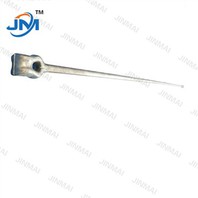
As a supplier of Galvanized Cross Arms, I've been asked numerous times about the environmental impacts of using these products. Galvanized cross arms are widely used in the electrical power industry, particularly in overhead line construction. They are essential components that support electrical cables and ensure the safe and efficient transmission of electricity. However, like any industrial product, their production, use, and disposal can have environmental implications. In this blog, I'll delve into these aspects and explore whether the environmental impacts are significant.
Production Phase
The production of galvanized cross arms involves several steps, starting with the manufacturing of the base metal, usually steel, and then applying a zinc coating through the galvanization process.
Steel Production
Steel is the primary material for cross arms. The steel industry is known for its high energy consumption and significant greenhouse gas emissions. According to the World Steel Association, the steelmaking process accounts for approximately 7 - 9% of global carbon dioxide emissions. This is mainly due to the use of coal in the blast furnace to reduce iron ore to iron. The high - temperature processes involved in steel production require large amounts of energy, much of which is currently derived from fossil fuels.
However, many steel producers are now adopting more sustainable practices. They are investing in technologies such as electric arc furnaces, which use recycled steel as a feedstock. Recycling steel reduces the need for virgin iron ore extraction and significantly lowers energy consumption and emissions. For example, recycling steel in an electric arc furnace can save up to 75% of the energy required to produce steel from iron ore [1].
Galvanization Process
Galvanization is the process of applying a protective zinc coating to the steel cross arms to prevent corrosion. The most common method is hot - dip galvanizing, where the steel is immersed in a bath of molten zinc. This process has its own environmental impacts.
The production of zinc itself requires energy, and mining zinc ore can lead to habitat destruction, soil erosion, and water pollution. During the hot - dip galvanizing process, there is also the potential for air emissions of zinc fumes and other pollutants if proper ventilation and pollution control measures are not in place. However, modern galvanizing plants are equipped with advanced pollution control systems to minimize these emissions. Additionally, the zinc coating on the cross arms can be recycled at the end of their life, reducing the demand for new zinc production.
Use Phase
During the use phase, galvanized cross arms offer several environmental benefits compared to other materials.
Durability and Longevity
One of the key advantages of galvanized cross arms is their durability. The zinc coating provides excellent corrosion resistance, which means that the cross arms can last for several decades without significant deterioration. This long lifespan reduces the frequency of replacement, which in turn reduces the overall environmental impact associated with the production and disposal of cross arms. For example, if a wooden cross arm has a lifespan of 10 - 15 years, while a galvanized cross arm can last 30 - 50 years, the environmental resources saved over time are substantial.
Reduced Maintenance Requirements
Galvanized cross arms require less maintenance compared to other materials. Since they are resistant to corrosion, there is no need for frequent painting or other protective treatments. This not only saves labor and resources but also reduces the use of chemicals and solvents that are often associated with maintenance activities. For instance, painting wooden cross arms may involve the use of paints that contain volatile organic compounds (VOCs), which can contribute to air pollution.
Disposal Phase
At the end of their useful life, galvanized cross arms can be recycled, which is a major environmental advantage.
Recycling
Both the steel and the zinc coating on the cross arms can be recycled. Recycling steel reduces the demand for virgin iron ore and saves energy, as mentioned earlier. The zinc can also be recovered from the galvanized steel and reused in various applications, including new galvanizing processes. Recycling helps to close the material loop and reduces the environmental impact associated with the extraction and production of new materials.
However, the recycling process also requires energy and has its own set of challenges. For example, separating the zinc coating from the steel can be a complex process, and ensuring the quality of the recycled materials requires advanced recycling technologies.
Overall Environmental Assessment
When considering the entire life cycle of galvanized cross arms, it's clear that they have both positive and negative environmental impacts. While the production phase has some environmental challenges, particularly in terms of energy consumption and emissions, the use and disposal phases offer significant environmental benefits.
The durability and long lifespan of galvanized cross arms reduce the need for frequent replacements, saving resources and energy in the long run. The recyclability of both the steel and the zinc coating also contributes to a more sustainable material cycle. Moreover, the industry is constantly evolving, with steel producers and galvanizing plants adopting more sustainable practices to reduce their environmental footprint.


Comparing with Alternatives
Let's compare galvanized cross arms with some alternative materials commonly used in the electrical power industry.
Wooden Cross Arms
Wooden cross arms are a traditional alternative to galvanized cross arms. While wood is a renewable resource, its production has its own environmental impacts. Logging can lead to deforestation, habitat loss, and soil erosion. Wooden cross arms also have a relatively short lifespan and require regular maintenance, such as painting and treatment with preservatives, which can introduce chemicals into the environment.
Composite Cross Arms
Composite cross arms are made from materials such as fiberglass and resin. They are lightweight and have good electrical insulation properties. However, the production of composite materials often involves the use of petrochemical - based resins, which are derived from non - renewable resources. The disposal of composite cross arms at the end of their life can also be challenging, as they are difficult to recycle.
Conclusion
In conclusion, while there are some environmental impacts associated with the production of galvanized cross arms, their long - term benefits in terms of durability, reduced maintenance, and recyclability make them a relatively environmentally friendly choice for the electrical power industry. As a supplier of Galvanized Cross Arm, I am committed to working with manufacturers who are adopting sustainable practices in both steel production and galvanization.
If you are involved in Electric Power Stringing or need Cable Accessories Iron Cross Arm, I encourage you to consider the environmental benefits of galvanized cross arms. We can provide high - quality galvanized cross arms that not only meet your technical requirements but also contribute to a more sustainable future. If you have any questions or are interested in purchasing our products, please feel free to contact us for further discussion and negotiation.
References
[1] World Steel Association. "The benefits of recycling steel." Available at the official website of the World Steel Association.