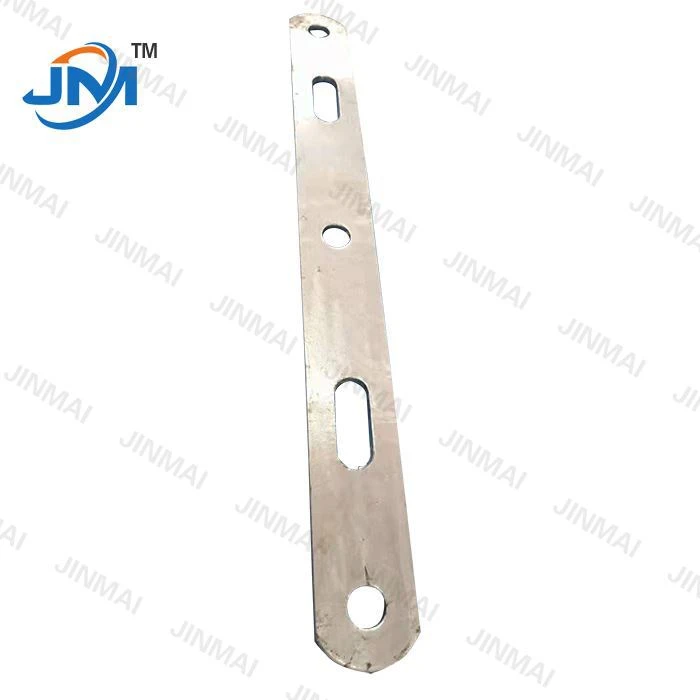
Hey there! As a supplier of Steel Cross Arms, I often get asked about the standards for the torsional strength of these crucial components. So, I thought I'd take some time to share my insights on this topic.
First off, let's talk about what torsional strength actually means. Torsional strength refers to the ability of a material or a structure to resist twisting forces. In the case of steel cross arms, they are used in various applications, such as electrical power distribution systems and telecommunications. These cross arms need to withstand the forces that try to twist them, whether it's from wind, the weight of the cables they support, or other external factors.
Now, are there any standards for the torsional strength of steel cross arms? The answer is yes. Different industries and regions have their own sets of standards and requirements. For example, in the electrical power industry, standards are in place to ensure the safety and reliability of the power distribution infrastructure. These standards are designed to make sure that the steel cross arms can handle the expected loads and stresses without failing.
One of the key factors that influence the torsional strength of steel cross arms is the material used. High - quality steel with the right chemical composition and mechanical properties is essential. The thickness of the steel also plays a significant role. Thicker steel generally provides more resistance to torsional forces, but it also adds weight, which might not be desirable in some applications.
Manufacturing processes also have a big impact on torsional strength. Proper forming, welding, and heat - treating can enhance the strength and durability of the steel cross arms. For instance, a well - welded joint will distribute the torsional forces more evenly across the structure, reducing the risk of failure.
When it comes to testing the torsional strength of steel cross arms, there are specific procedures and equipment. Manufacturers typically use specialized testing machines to apply a twisting force to the cross arms and measure how they respond. These tests are carried out according to the relevant industry standards to ensure accurate and reliable results.
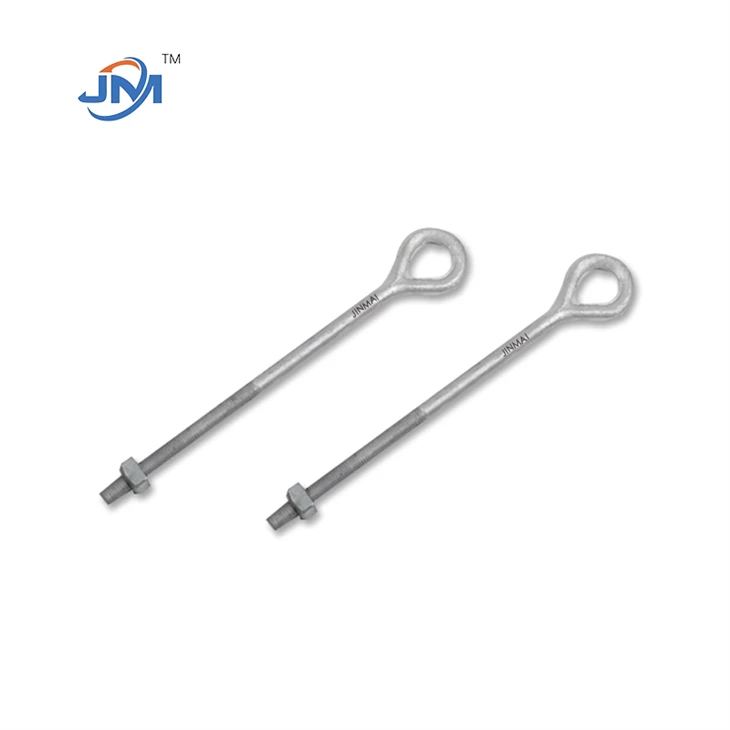
Let's take a look at some of the related products that work in conjunction with steel cross arms. The Hypo Clamp is often used to secure cables to the cross arms. It needs to be strong enough to hold the cables firmly in place, especially when the cross arms are subjected to torsional forces. The Eye Bolt is another important component. It can be used for attaching the cross arms to poles or other structures, and its strength is also crucial for the overall stability of the system.
As a Steel Cross Arm supplier, I understand the importance of meeting and exceeding these standards. We source the best materials, use advanced manufacturing techniques, and conduct thorough testing to ensure that our products have the required torsional strength.
In the market, there is a wide range of steel cross arms available, each with different specifications and capabilities. It's important for customers to choose the right cross arms based on their specific needs. For example, if you're working on a large - scale power distribution project in a windy area, you'll need cross arms with high torsional strength.
Another aspect to consider is the long - term performance of the steel cross arms. They need to be able to resist corrosion, especially if they are installed outdoors. Corrosion can weaken the steel over time, reducing its torsional strength. That's why we often apply protective coatings to our cross arms to prevent rust and other forms of corrosion.
Now, you might be wondering how to determine if a particular steel cross arm meets your requirements for torsional strength. You can ask the supplier for test reports and certifications. Reputable suppliers like us are always happy to provide this information to give you peace of mind.
In some cases, custom - made steel cross arms might be the best solution. If you have unique requirements in terms of size, shape, or torsional strength, we can work with you to design and manufacture cross arms that fit your exact needs.
When it comes to choosing a supplier for your steel cross arms, experience and reputation matter. A supplier with a long - standing presence in the industry is more likely to have the expertise and resources to produce high - quality products. We've been in the business for years, and we've built a solid reputation for delivering top - notch steel cross arms.
If you're in the market for steel cross arms or have any questions about their torsional strength, don't hesitate to reach out. We're here to help you find the right solution for your project. Whether you're an electrical contractor, a telecommunications company, or involved in any other industry that uses steel cross arms, we can offer you the best products and advice.
In conclusion, there are indeed standards for the torsional strength of steel cross arms, and it's essential to adhere to them to ensure the safety and reliability of your projects. By choosing the right materials, manufacturing processes, and working with a reliable supplier, you can get steel cross arms that meet your specific requirements. So, if you're looking for high - quality Steel Cross Arm, we're the ones to talk to. Let's start a conversation and see how we can work together to make your project a success.
References:
- Industry standards published by relevant electrical and telecommunications associations
- Technical literature on steel materials and manufacturing processes
- Research papers on the performance of steel structures under torsional forces