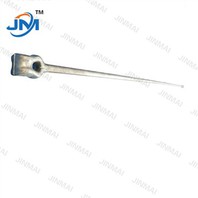
Water resistance is a crucial property when it comes to overhead pole line hardware, especially for a Galvanized Cross Arm. As a supplier of Galvanized Cross Arms, I understand the significance of this characteristic in ensuring the long - term performance and durability of these essential components in electrical and telecommunication infrastructure.
Understanding Galvanization and Its Role in Water Resistance
Galvanization is a process of coating iron or steel with a layer of zinc to protect it from corrosion. When it comes to Galvanized Cross Arms, this process creates a barrier between the metal substrate and the surrounding environment, including water. The zinc coating acts as a sacrificial anode. This means that in the presence of water and oxygen, the zinc will corrode preferentially over the underlying iron or steel.
The hot - dip galvanizing process, which is commonly used for Galvanized Cross Arms, results in a thick and uniform zinc layer. The zinc coating typically consists of several intermetallic layers, which provide excellent adhesion to the base metal. This strong bond ensures that the coating remains intact even under harsh environmental conditions, including exposure to water.
How Galvanized Cross Arms Resist Water
- Physical Barrier
The zinc layer on a Galvanized Cross Arm forms a physical barrier that prevents water from coming into direct contact with the underlying metal. Water contains dissolved oxygen, which can react with iron or steel to form rust. By blocking the water, the zinc coating effectively inhibits this oxidation process. - Self - Healing Properties
When the zinc coating is scratched or damaged, it has self - healing properties. In the presence of water and oxygen, a thin layer of zinc carbonate or zinc hydroxide forms on the exposed zinc surface. This layer acts as a protective film, further preventing the corrosion of the underlying zinc and the base metal. - Corrosion Resistance in Different Water Conditions
Galvanized Cross Arms can withstand various water conditions. In freshwater, the zinc coating provides long - term protection. However, in saltwater environments, the corrosion rate of the zinc coating may increase due to the presence of chloride ions. But even in these challenging conditions, the Galvanized Cross Arm can still offer significant resistance compared to non - galvanized alternatives.
Testing the Water Resistance of Galvanized Cross Arms
To ensure the quality and water resistance of our Galvanized Cross Arms, we conduct a series of tests.
- Salt Spray Test
The salt spray test is a common method used to evaluate the corrosion resistance of galvanized products. In this test, the Galvanized Cross Arm is placed in a chamber where a fine mist of saltwater is sprayed onto its surface. The test is carried out for a specific period, usually several hundred hours. After the test, the arm is inspected for signs of corrosion, such as rust spots or blisters. - Immersion Test
Another test is the immersion test, where the Galvanized Cross Arm is submerged in water for an extended period. This test simulates real - world conditions where the arm may be exposed to standing water or high humidity. By monitoring the changes in the appearance and properties of the arm over time, we can assess its water resistance.
Applications and the Importance of Water Resistance
Galvanized Cross Arms are widely used in Overhead Pole Line Hardware systems. These systems are often installed outdoors, where they are exposed to various weather conditions, including rain, snow, and high humidity.
- Electrical Transmission and Distribution
In electrical transmission and distribution networks, Galvanized Cross Arms support power lines. Water resistance is essential to prevent corrosion, which could weaken the arms and compromise the safety and reliability of the power system. A corroded cross arm may break under the weight of the power lines, leading to power outages and potential safety hazards. - Telecommunication Networks
Telecommunication networks also rely on Galvanized Cross Arms to support telephone and fiber - optic cables. Water - resistant cross arms ensure the long - term stability of these networks, reducing maintenance costs and minimizing service disruptions.
Comparison with Other Materials
When compared to other materials used for cross arms, such as wood or non - galvanized steel, Galvanized Cross Arms offer superior water resistance.

- Wooden Cross Arms
Wooden cross arms are susceptible to rot and decay when exposed to water. They require regular maintenance, such as treatment with preservatives, to extend their lifespan. In contrast, Galvanized Cross Arms have a much longer service life with minimal maintenance requirements. - Non - Galvanized Steel Cross Arms
Non - galvanized steel cross arms rust quickly when in contact with water. Rust not only weakens the structure but also reduces its aesthetic appeal. Galvanized Cross Arms, on the other hand, maintain their integrity and appearance over time, even in wet conditions.
Maintenance Tips for Galvanized Cross Arms
Although Galvanized Cross Arms have excellent water resistance, proper maintenance can further enhance their performance.
- Regular Inspection
Regularly inspect the Galvanized Cross Arms for signs of damage or corrosion. If any scratches or areas of exposed metal are found, they should be repaired promptly to prevent further corrosion. - Cleaning
Clean the cross arms periodically to remove dirt, debris, and any contaminants that may accumulate on the surface. This helps to maintain the integrity of the zinc coating.
Our Commitment as a Galvanized Cross Arm Supplier
As a supplier of Galvanized Cross Arms, we are committed to providing high - quality products with exceptional water resistance. We use advanced galvanizing techniques and strict quality control measures to ensure that our cross arms meet or exceed industry standards.
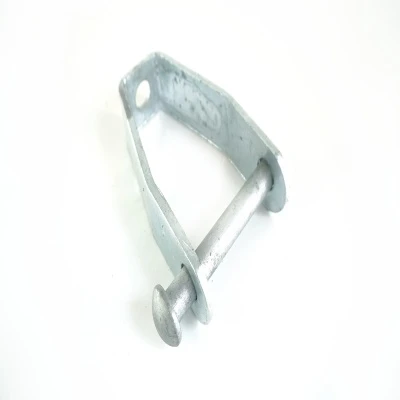
We also offer a range of related products, such as Hot Dip Galvanized Secondary Clevis, which are designed to work in conjunction with our Galvanized Cross Arms. These products are also galvanized to provide similar water - resistant properties.
Contact Us for Your Galvanized Cross Arm Needs
If you are in the market for Galvanized Cross Arms or other overhead pole line hardware, we invite you to contact us. Our team of experts can provide you with detailed information about our products, including their water resistance, specifications, and pricing. We are dedicated to helping you find the right solutions for your specific requirements. Whether you are involved in electrical transmission, telecommunication, or other related industries, our Galvanized Cross Arms can offer the durability and reliability you need.
References
- ASTM International. (20XX). Standard Specification for Zinc - Coated (Galvanized) Iron and Steel Hardware for Overhead Transmission and Distribution Lines.
- National Association of Corrosion Engineers (NACE). (20XX). Corrosion Control in Overhead Power Lines.