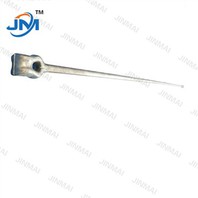
As a supplier of Steel Angle Cross Arm, I understand the importance of proper storage for these essential components in overhead line systems. Steel angle cross arms are widely used in electrical power transmission and distribution networks, providing support for conductors and insulators. Ensuring their proper storage not only maintains their quality but also extends their service life, ultimately saving costs and ensuring the reliability of power systems. In this blog, I will share some key points on how to store steel angle cross arms properly.
1. Selecting the Right Storage Location
The first step in proper storage is choosing an appropriate location. This location should be dry, well - ventilated, and protected from the elements. A covered warehouse is an ideal choice. Exposure to rain, snow, and high humidity can cause corrosion on the steel surface, which can significantly reduce the structural integrity of the cross arms.
If an outdoor storage area is the only option, the cross arms should be placed on raised platforms or pallets to prevent direct contact with the ground. This helps to avoid moisture absorption from the soil. Additionally, they should be covered with waterproof tarps to protect them from rain and sunlight. Ultraviolet rays from the sun can also cause damage to the protective coatings on the cross arms over time.
2. Cleaning Before Storage
Before storing the steel angle cross arms, it is crucial to clean them thoroughly. During the manufacturing, transportation, and handling processes, the cross arms may accumulate dirt, debris, and even some chemical residues. Cleaning can be done using a mild detergent and water solution. A soft brush or cloth can be used to gently scrub the surface to remove any stubborn dirt.
After cleaning, rinse the cross arms with clean water and dry them completely. Any remaining moisture can lead to rust formation. This step is especially important for Galvanized Cross Arm as it helps to maintain the integrity of the galvanized coating, which provides corrosion resistance.
3. Organizing and Stacking
Proper organization and stacking of the steel angle cross arms are essential for efficient storage and to prevent damage. The cross arms should be stacked in an orderly manner. They can be grouped by size, type, or order number to facilitate easy access when needed.
When stacking, ensure that the cross arms are placed on a flat and stable surface. Avoid stacking them too high to prevent toppling, which can cause deformation or damage to the cross arms. If possible, use spacers between the layers to prevent scratching and to allow for better air circulation. This helps to keep the cross arms dry and reduces the risk of corrosion.
4. Protection Against Corrosion
Corrosion is one of the biggest threats to steel angle cross arms during storage. As mentioned earlier, galvanized coatings are commonly used to protect the steel from corrosion. However, additional measures can be taken to enhance this protection.
Applying a thin layer of anti - corrosion oil or wax on the surface of the cross arms can provide an extra barrier against moisture and oxygen. This is particularly useful for long - term storage. Another option is to use desiccants in the storage area. Desiccants can absorb moisture from the air, reducing the humidity level and minimizing the risk of corrosion.
5. Regular Inspection
Regular inspection of the stored steel angle cross arms is necessary to detect any signs of damage or corrosion early. Inspections should be carried out at least once a month, especially during the first few months of storage.
During the inspection, check for any visible signs of rust, such as orange or brown spots on the surface. Also, look for any deformation, cracks, or loose connections. If any issues are found, take immediate action to address them. For minor rust spots, the affected area can be cleaned and treated with an anti - corrosion paint. For more severe damage, the cross arms may need to be repaired or replaced.
6. Handling During Storage
Proper handling of the steel angle cross arms during storage is also important. When moving or accessing the cross arms, use appropriate lifting equipment, such as forklifts or cranes. Ensure that the lifting equipment is in good working condition and that the operators are properly trained.
Avoid dragging or dropping the cross arms, as this can cause scratches, dents, and other forms of damage. When handling the cross arms, use soft - edged tools or pads to prevent damage to the surface.
7. Documentation
Maintaining detailed documentation of the stored steel angle cross arms is crucial. This includes information such as the date of storage, quantity, size, type, and any inspection results. Documentation helps to keep track of the inventory and can be useful for quality control and traceability purposes.
It also allows for better management of the storage area. For example, if there is a need to prioritize the use of certain cross arms based on their storage time, the documentation can provide the necessary information.
Conclusion
Proper storage of steel angle cross arms is a multi - step process that requires attention to detail. By selecting the right storage location, cleaning the cross arms before storage, organizing and stacking them properly, protecting them against corrosion, conducting regular inspections, handling them carefully, and maintaining detailed documentation, we can ensure that the cross arms remain in good condition for a long time.
As a professional Steel Angle Cross Arm supplier, we are committed to providing high - quality products and sharing our expertise in product storage and maintenance. If you are interested in our products or have any questions about steel angle cross arm storage, please feel free to contact us for further discussion and potential procurement opportunities.


References
- "Handbook of Overhead Line Construction"
- "Corrosion Prevention and Control in Steel Structures"