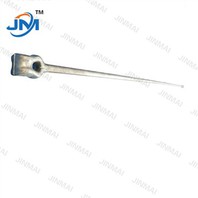
Selecting the appropriate overhead line fitting is a critical decision that can significantly impact the performance, safety, and longevity of an electrical power distribution system. As a seasoned overhead line fitting supplier, I understand the complexities involved in this process and am here to share valuable insights to help you make an informed choice.
Understanding the Basics of Overhead Line Fittings
Overhead line fittings are essential components used in the construction and maintenance of overhead power lines. They serve various functions, including supporting conductors, insulators, and other equipment, as well as providing electrical connections and protection. These fittings come in a wide range of types and designs, each tailored to specific applications and requirements.
Factors to Consider When Choosing Overhead Line Fittings
1. Electrical Requirements
- Voltage Rating: One of the most crucial factors to consider is the voltage rating of the overhead line. The fittings must be able to withstand the electrical stress associated with the operating voltage of the system. Using fittings with an inadequate voltage rating can lead to insulation breakdown, arcing, and other electrical failures.
- Current Capacity: The fittings should also be capable of carrying the expected electrical current without overheating. This requires careful consideration of the conductor size, load requirements, and ambient temperature conditions.
2. Mechanical Strength
- Load-Bearing Capacity: Overhead line fittings are subjected to various mechanical loads, including the weight of conductors, wind forces, ice loads, and seismic forces. Therefore, it is essential to choose fittings with sufficient load-bearing capacity to ensure the structural integrity of the power line.
- Corrosion Resistance: Since overhead line fittings are exposed to the elements, they must be resistant to corrosion. Galvanized and hot-dip galvanized coatings are commonly used to protect the fittings from rust and other forms of corrosion. For example, Galvanized Cross Arm and Hot Dip Galvanized Overhead Line Hardware offer excellent corrosion resistance, making them suitable for long-term outdoor use.
3. Compatibility
- Conductor Type and Size: The fittings must be compatible with the type and size of the conductors used in the power line. Different conductors have different mechanical and electrical properties, and using incompatible fittings can lead to poor electrical connections, increased resistance, and potential safety hazards.
- Insulator Type: Similarly, the fittings should be compatible with the type of insulators used in the system. The insulators play a crucial role in preventing electrical leakage and ensuring the safe operation of the power line.
4. Environmental Conditions
- Climate: The environmental conditions in which the power line will operate can have a significant impact on the performance of the overhead line fittings. For example, in areas with high humidity, saltwater exposure, or extreme temperatures, special corrosion-resistant materials and coatings may be required.
- Altitude and Terrain: The altitude and terrain of the installation site can also affect the choice of fittings. Higher altitudes may require fittings with enhanced insulation properties, while mountainous or uneven terrain may require fittings that can accommodate greater mechanical stresses.
5. Standards and Regulations
- National and International Standards: It is essential to ensure that the overhead line fittings comply with relevant national and international standards and regulations. These standards specify the minimum requirements for the design, manufacture, and testing of the fittings to ensure their safety and reliability.
- Local Regulations: In addition to national and international standards, local regulations may also apply. It is important to familiarize yourself with these regulations and ensure that the chosen fittings meet all the necessary requirements.
Types of Overhead Line Fittings
1. Cross Arms
Cross arms are used to support the conductors and insulators on utility poles. They are typically made of wood, steel, or fiberglass. Steel Angle Cross Arm is a popular choice due to its high strength, durability, and corrosion resistance.
2. Insulators
Insulators are used to isolate the conductors from the supporting structures and prevent electrical leakage. They are available in various types, including porcelain, glass, and composite insulators.


3. Clamps and Connectors
Clamps and connectors are used to secure the conductors to the cross arms, insulators, and other fittings. They are available in different designs, such as bolted clamps, compression connectors, and wedge clamps.
4. Spacers and Dampers
Spacers and dampers are used to maintain the spacing between the conductors and reduce the effects of wind-induced vibrations. They help to prevent conductor galloping, which can cause damage to the power line.
Conclusion
Choosing the right overhead line fitting is a complex process that requires careful consideration of various factors, including electrical requirements, mechanical strength, compatibility, environmental conditions, and standards and regulations. By understanding these factors and working with a reputable overhead line fitting supplier, you can ensure the safe, reliable, and efficient operation of your power distribution system.
If you are in the market for high-quality overhead line fittings, I encourage you to reach out to us. Our team of experts is dedicated to providing you with the best products and solutions to meet your specific needs. We offer a wide range of overhead line fittings, including Galvanized Cross Arm, Hot Dip Galvanized Overhead Line Hardware, and Steel Angle Cross Arm, all of which are manufactured to the highest standards of quality and reliability. Contact us today to discuss your requirements and start the procurement process.
References
- IEEE Standards Association. (2023). IEEE Standards for Overhead Line Fittings.
- International Electrotechnical Commission (IEC). (2023). IEC Standards for Electrical Equipment and Components.
- National Electrical Safety Code (NESC). (2023). Safety Requirements for Overhead Power Lines.