Yo, what's up everyone! I'm a supplier of overhead line fittings, and today I wanna chat about the vibration - resistance capabilities of these bad boys.


Overhead line fittings are super important in the power transmission and distribution systems. They're like the unsung heroes that keep everything in place and make sure electricity flows smoothly. But one major challenge they face is vibration. Vibration can come from a bunch of sources, like wind, the movement of the lines themselves when there's a change in load, or even from nearby machinery. If the fittings can't handle this vibration, it can lead to all sorts of problems, from loosening of connections to even complete failure of the fitting, which can be a real headache for power companies.
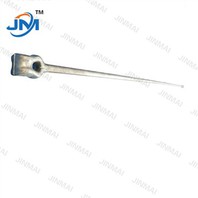
So, how do we figure out the vibration - resistance capabilities of overhead line fittings? Well, it all starts with the materials. We use high - quality materials that are tough and durable. For example, steel is a common choice because it's strong and can withstand a fair amount of stress. And when it comes to steel fittings, we often go for hot - dip galvanized ones. Check out our Hot Dip Galvanized Secondary Clevis. The hot - dip galvanizing process not only adds a protective layer that prevents corrosion but also enhances the overall strength of the fitting, making it more resistant to vibration.
Another factor that affects vibration resistance is the design. Fittings are designed in a way that distributes the stress evenly. For instance, some fittings have special shapes or structures that help absorb and dissipate the energy from vibration. A well - designed fitting will have a balanced geometry that reduces the chances of stress concentration. When stress is concentrated in one area, it can cause the fitting to crack or break more easily under vibration.
Testing is also a crucial part of determining the vibration - resistance capabilities. We subject our fittings to all sorts of tests in the lab. One common test is the vibration test, where we simulate different levels and frequencies of vibration to see how the fitting holds up. We measure things like the amount of displacement, any signs of fatigue, and whether the connections remain tight. If a fitting passes these tests, we know it has good vibration - resistance capabilities.
Let's talk about some specific types of overhead line fittings and their vibration - resistance. First up, Electric Power Stringing equipment. These are used to install and tension the power lines. Since they're constantly under stress during the stringing process and then have to deal with the vibration in the long - term, they need to be really tough. We use strong and flexible materials in their construction, and the design is optimized to handle the dynamic forces.
Then there's Overhead Pole Line Hardware. These include things like cross - arms, insulators, and pole brackets. They're exposed to the elements and have to support the weight of the lines and withstand wind - induced vibration. Our pole line hardware is designed with a focus on stability and durability. We use materials that can resist rust and corrosion, and the connections are made to be as secure as possible.
In real - world applications, the vibration - resistance of overhead line fittings can make a huge difference. In areas with high winds, like coastal regions or mountainous areas, fittings need to be able to handle the constant buffeting. If a fitting fails due to vibration, it can lead to power outages, which are not only inconvenient for consumers but also costly for the power companies. That's why we take the vibration - resistance capabilities of our fittings so seriously.
We're always looking for ways to improve the vibration - resistance of our products. We keep an eye on the latest research in materials science and engineering. New materials are being developed all the time that are stronger, lighter, and more resistant to vibration. We also invest in better testing equipment to get more accurate data on how our fittings perform under different vibration conditions.
If you're in the market for overhead line fittings, you need to consider the vibration - resistance capabilities. You don't want to end up with fittings that are going to fail after a short period of time. Our company has been in the business for a long time, and we've built a reputation for providing high - quality, vibration - resistant fittings.
Whether you're a power company looking to upgrade your existing infrastructure or a contractor working on a new power project, we've got the right fittings for you. We can offer you a wide range of products, from small clevises to large - scale pole line hardware. And we're always happy to work with you to find the best solutions for your specific needs.
So, if you're interested in our overhead line fittings and want to learn more about their vibration - resistance capabilities or discuss your project requirements, don't hesitate to get in touch. We're here to help you make the right choice and ensure that your power transmission and distribution systems are reliable and long - lasting.
References:
- Industry standards and guidelines for overhead line fittings
- Research papers on materials and design for vibration - resistant structures
- Internal testing reports from our company's quality control department