Are there bolts with a self - lubricating feature?
Hey there! I'm a bolt supplier, and I often get asked some pretty interesting questions from customers. One question that pops up quite a bit is, "Are there bolts with a self - lubricating feature?" Well, let's dive right into this topic.

First off, let me give you a bit of background. Bolts are used in all sorts of applications, from construction to automotive, and even in small DIY projects at home. The main function of a bolt is to hold things together, but the process of tightening and loosening them can sometimes be a real pain in the neck. That's where self - lubricating bolts come in handy.
Self - lubricating bolts are designed to reduce friction during the installation and removal process. This not only makes the job easier but also helps prevent wear and tear on the bolt and the mating parts. There are a few different ways that bolts can be made self - lubricating.
One common method is to coat the bolts with a special lubricant. These lubricants can be made from various materials, such as graphite, molybdenum disulfide, or PTFE (Teflon). Graphite is a well - known dry lubricant. It has a slippery texture that allows the bolt to turn smoothly without the need for additional grease or oil. Molybdenum disulfide is another great option. It can withstand high pressures and temperatures, making it suitable for heavy - duty applications. PTFE, on the other hand, is extremely slippery and has excellent chemical resistance.
When you're looking at self - lubricating bolts, it's important to consider the environment in which they'll be used. For example, if you're working in a high - humidity area, you'll want a lubricant that won't wash off easily. Some coatings are designed to be water - resistant, which is great for outdoor applications.
Now, let's talk about the benefits of using self - lubricating bolts. Firstly, they save time. You don't have to spend extra time applying lubricant to each bolt before installation. This can be a huge advantage, especially when you're working on a large project. Secondly, they improve the lifespan of the bolts. Since there's less friction, there's less wear on the threads, which means the bolts can be reused more times. And thirdly, they can enhance the overall performance of the assembly. When the bolts turn smoothly, it ensures a more secure and even tightening, which is crucial for the safety and stability of the structure.
As a bolt supplier, I offer a wide range of self - lubricating bolts. For example, we have Hot-dip Galvanized Eye Bolts. These are great for applications where you need to attach ropes or cables. The hot - dip galvanizing not only provides corrosion resistance but can also be combined with a self - lubricating coating for easy installation.
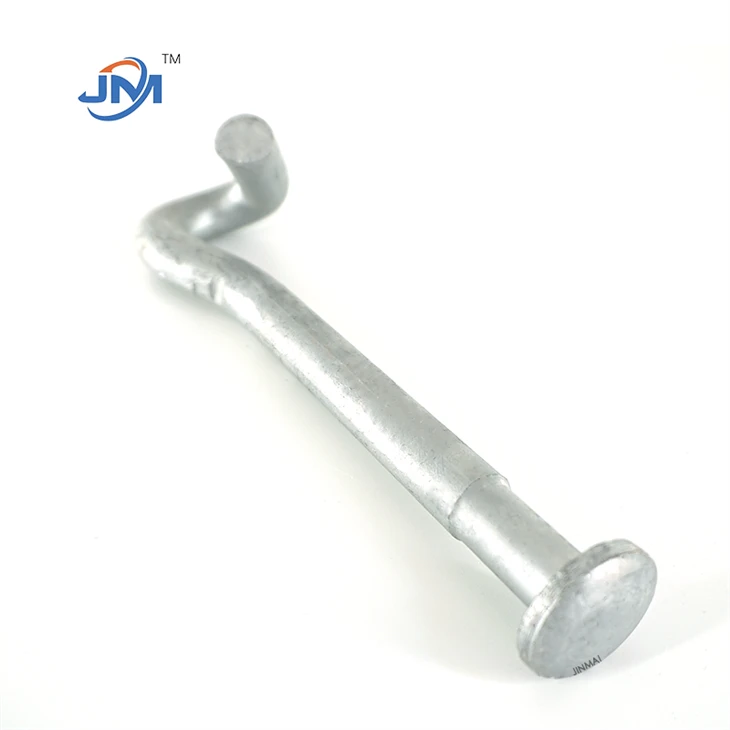
Another product in our lineup is the Ended Pigtail Bolt. This type of bolt is often used in situations where you need a hook - like end for attachment. With a self - lubricating feature, it's much easier to insert and remove these bolts as needed.
And if you're looking for something a bit different, we also have Plastic Wing Nut. These are handy for quick - release applications. The plastic material is lightweight, and the self - lubricating coating makes it a breeze to tighten and loosen by hand.
But it's not all sunshine and rainbows with self - lubricating bolts. There are a few drawbacks to consider. One is the cost. Self - lubricating bolts are generally more expensive than regular bolts because of the additional manufacturing steps involved in applying the lubricant. Another thing is that the lubricant can sometimes attract dirt and debris. Over time, this can build up and reduce the effectiveness of the lubrication.
However, in most cases, the benefits outweigh the drawbacks. If you're in an industry where time is money and reliability is key, self - lubricating bolts are definitely worth considering.
When it comes to choosing the right self - lubricating bolt for your project, there are a few factors to keep in mind. The size of the bolt is obviously important. You need to make sure it fits the hole and has the right thread pitch. The material of the bolt also matters. Stainless steel bolts are great for corrosion - prone environments, while carbon steel bolts are often used for heavy - duty applications.
You should also think about the load capacity of the bolt. Different applications require different levels of strength. Make sure to check the specifications of the bolt to ensure it can handle the weight and stress it will be subjected to.
In conclusion, yes, there are definitely bolts with a self - lubricating feature. They offer a lot of advantages in terms of ease of use, durability, and performance. As a bolt supplier, I'm always here to help you find the right product for your needs. Whether you're a professional contractor or a DIY enthusiast, self - lubricating bolts can make your job a whole lot easier.
If you're interested in learning more about our self - lubricating bolts or other products in our range, don't hesitate to get in touch. We can have a detailed discussion about your project requirements and find the perfect bolts for you. Let's start a conversation and see how we can work together to make your project a success.
References
- "Handbook of Fasteners and Their Applications" by H. Arthur Rothbart
- "Mechanical Engineering Design" by Joseph Edward Shigley and Charles R. Mischke
- Various industry reports on bolt manufacturing and lubrication technologies