Can ADSS cable fittings be used in industrial areas?
As a supplier of ADSS Cable Fittings, I often get asked whether these fittings can be used in industrial areas. The answer is a resounding yes, but with certain considerations. In this blog post, I'll delve into the details of using ADSS cable fittings in industrial settings, exploring their suitability, advantages, and the factors to keep in mind.
Understanding ADSS Cable Fittings
ADSS (All-Dielectric Self-Supporting) cable fittings are designed to support and secure ADSS cables, which are commonly used in telecommunications and power transmission applications. These fittings are made from high-quality materials such as aluminum alloy, stainless steel, and composite materials, ensuring durability and reliability in various environments.
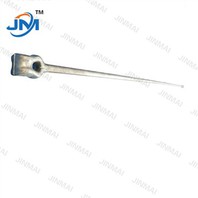
Some of the common types of ADSS cable fittings include Stay Rod Assembly, which provides support for the cable and helps to maintain its tension, and Electric Hook-type Wire Clamp/Splint, which is used to attach the cable to poles or other structures.
Suitability of ADSS Cable Fittings in Industrial Areas
Industrial areas present unique challenges due to factors such as harsh weather conditions, high levels of electromagnetic interference (EMI), and mechanical stress. However, ADSS cable fittings are well-suited to these environments for several reasons:
1. Weather Resistance
Industrial areas are often exposed to extreme weather conditions, including high winds, heavy rain, snow, and temperature variations. ADSS cable fittings are designed to withstand these conditions, making them ideal for outdoor installations in industrial settings. The materials used in these fittings are corrosion-resistant, ensuring long-term performance even in harsh environments.
2. EMI Immunity
Electromagnetic interference can disrupt the performance of communication systems, leading to signal loss and data corruption. ADSS cables are all-dielectric, meaning they do not contain any metallic components, which makes them immune to EMI. The fittings used with these cables also contribute to their EMI immunity, ensuring reliable communication in industrial areas where EMI is a common problem.
3. Mechanical Strength
Industrial areas are prone to mechanical stress due to factors such as vibration, movement, and impact. ADSS cable fittings are designed to provide strong support and protection for the cables, ensuring that they can withstand these stresses without damage. For example, the Stay Rod Assembly is designed to provide high tensile strength, preventing the cable from sagging or breaking under heavy loads.
Advantages of Using ADSS Cable Fittings in Industrial Areas
In addition to their suitability for industrial environments, ADSS cable fittings offer several advantages that make them a popular choice for industrial applications:
1. Cost-Effective
ADSS cable fittings are relatively inexpensive compared to other types of cable fittings, making them a cost-effective solution for industrial installations. They also require less maintenance than traditional cable fittings, reducing overall operating costs.
2. Easy Installation
ADSS cable fittings are designed for easy installation, which can save time and labor costs. They can be installed quickly and easily using standard tools, without the need for specialized equipment or training.
3. Flexibility
ADSS cable fittings are available in a variety of sizes and configurations, making them suitable for a wide range of industrial applications. They can be used with different types of ADSS cables, allowing for flexibility in system design and installation.
Factors to Consider When Using ADSS Cable Fittings in Industrial Areas
While ADSS cable fittings are well-suited to industrial areas, there are several factors that should be considered to ensure their proper use and performance:
1. Cable Compatibility
It is important to ensure that the ADSS cable fittings are compatible with the type and size of the ADSS cable being used. Using incompatible fittings can lead to poor performance, damage to the cable, and safety hazards.
2. Installation Conditions
The installation conditions in industrial areas can vary widely, depending on factors such as the location, environment, and type of structure. It is important to consider these factors when selecting and installing ADSS cable fittings to ensure that they are installed correctly and securely.
3. Maintenance Requirements
Regular maintenance is essential to ensure the long-term performance and reliability of ADSS cable fittings. This includes inspecting the fittings for damage, corrosion, and wear, and replacing any damaged or worn components as needed.


Conclusion
In conclusion, ADSS cable fittings can be used in industrial areas with confidence, thanks to their weather resistance, EMI immunity, and mechanical strength. They offer several advantages, including cost-effectiveness, easy installation, and flexibility, making them a popular choice for industrial applications. However, it is important to consider factors such as cable compatibility, installation conditions, and maintenance requirements to ensure their proper use and performance.
If you are considering using ADSS cable fittings in your industrial application, I encourage you to contact us to learn more about our products and services. Our team of experts can help you select the right fittings for your specific needs and provide you with the support and guidance you need to ensure a successful installation.
Contact Us for ADSS Cable Fittings
If you're interested in purchasing ADSS Cable Fittings for your industrial project, feel free to reach out to discuss your requirements in detail. We're here to offer professional advice and high - quality products to meet your needs.
References
- "ADSS Cable Installation and Maintenance Guide", Telecommunication Manufacturers Association.
- "Industrial Communication Engineering Handbook", John Wiley & Sons.