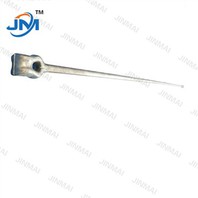
As a trusted supplier of ADSS cable fittings, I often encounter inquiries from customers regarding the durability of our products, especially in extreme weather conditions. This blog post aims to explore the resilience of ADSS cable fittings against various harsh environmental factors and highlight the features that make them suitable for long - term use in challenging climates.
Understanding ADSS Cable Fittings
ADSS (All - Dielectric Self - Supporting) cable fittings are essential components in overhead optical fiber cable networks. They are designed to support, protect, and connect ADSS cables, ensuring reliable transmission of data. These fittings are used in a wide range of applications, from telecommunications to power utilities, where they are exposed to different weather conditions.
Extreme Weather Conditions and Their Impact
High Temperatures
High temperatures can cause materials to expand. In the case of ADSS cable fittings, excessive heat may lead to the softening of some plastic components or the expansion of metal parts. If the fittings are not designed to handle such expansion, it can result in loosening of connections, which may compromise the stability of the cable. However, our ADSS cable fittings are made from high - quality materials with a high melting point and low coefficient of thermal expansion. For example, the Stainless Steel Strip used in our fittings has excellent heat resistance, ensuring that it maintains its shape and strength even in extremely hot environments.


Low Temperatures
Cold weather can make materials brittle. Plastic parts may crack, and metal components may become more prone to breakage. Our ADSS cable fittings are engineered to withstand low - temperature conditions. We use materials that have good flexibility at low temperatures, preventing cracking and ensuring that the fittings remain functional. The cross - linking process used in the manufacturing of some of our plastic components enhances their cold - resistance properties, allowing them to perform well in freezing temperatures.
High Winds
Strong winds can exert significant mechanical stress on ADSS cables and their fittings. The fittings need to be firmly attached to the support structures to prevent the cables from swaying excessively or even detaching. Our Cross Arm of Power Fittings are designed with a robust structure and reliable fastening mechanisms. They provide a stable connection between the cable and the support, ensuring that the system can withstand high - wind forces. Additionally, the aerodynamic design of some of our fittings helps to reduce wind resistance, minimizing the stress on the cables and the entire network.
Heavy Rain and Humidity
Moisture can cause corrosion of metal parts and degradation of insulation materials. Our ADSS cable fittings are protected against moisture and corrosion. The metal components are coated with anti - corrosion materials, such as zinc or epoxy, to prevent rusting. The insulation materials used in the fittings are waterproof and resistant to moisture absorption, ensuring that the electrical performance of the cables is not affected by wet conditions.
Lightning and Electrical Storms
Lightning strikes can generate high - voltage surges that may damage the ADSS cable and its fittings. Our fittings are designed to provide electrical insulation and grounding protection. The Electric Power Fitting cross Arm Connector is engineered to safely conduct electrical currents away from the cable, reducing the risk of damage during lightning storms.
Testing and Certification
To ensure the quality and performance of our ADSS cable fittings in extreme weather conditions, we conduct rigorous testing. Our products are tested in environmental chambers that simulate different temperature, humidity, and wind conditions. We also perform mechanical tests to evaluate the strength and durability of the fittings. In addition, our products comply with international standards and certifications, such as ISO 9001, which guarantees that they meet high - quality requirements.
Real - World Applications
Our ADSS cable fittings have been installed in various regions around the world, including areas with extreme weather conditions. In deserts, where temperatures can soar during the day and drop significantly at night, our fittings have proven to be reliable. In coastal areas, where high humidity and strong winds are common, they have maintained their performance over time. These real - world applications demonstrate the ability of our ADSS cable fittings to withstand the challenges posed by extreme weather.
Conclusion
In conclusion, our ADSS cable fittings are designed and manufactured to withstand extreme weather conditions. Through the use of high - quality materials, advanced manufacturing processes, and rigorous testing, we ensure that our products can provide long - term reliability in harsh environments. Whether it is high temperatures, low temperatures, strong winds, heavy rain, or lightning, our ADSS cable fittings are up to the task.
If you are looking for reliable ADSS cable fittings for your project, we invite you to contact us for more information and to discuss your specific requirements. Our team of experts is ready to assist you in selecting the right products and providing professional advice.
References
- "Handbook of Optical Fiber Telecommunications"
- International standards for power and telecommunications fittings
- Industry reports on the performance of ADSS cable systems in extreme environments