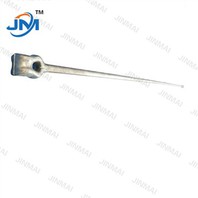
As a trusted supplier of bolt wire clamps, I often encounter inquiries from customers regarding the suitability of our products for various environmental conditions. One question that comes up frequently is whether bolt wire clamps can be used in wet conditions. In this blog post, I will delve into this topic, exploring the technical aspects, potential challenges, and solutions associated with using bolt wire clamps in wet environments.
Understanding Bolt Wire Clamps
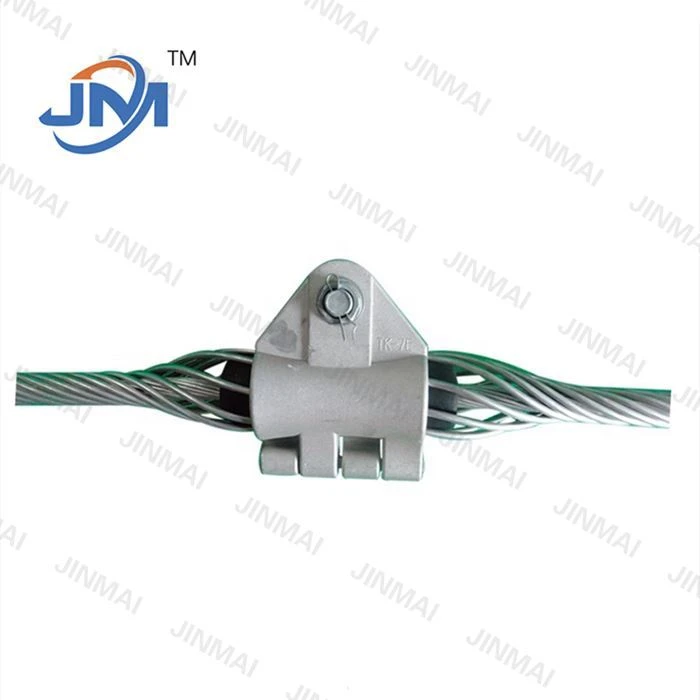
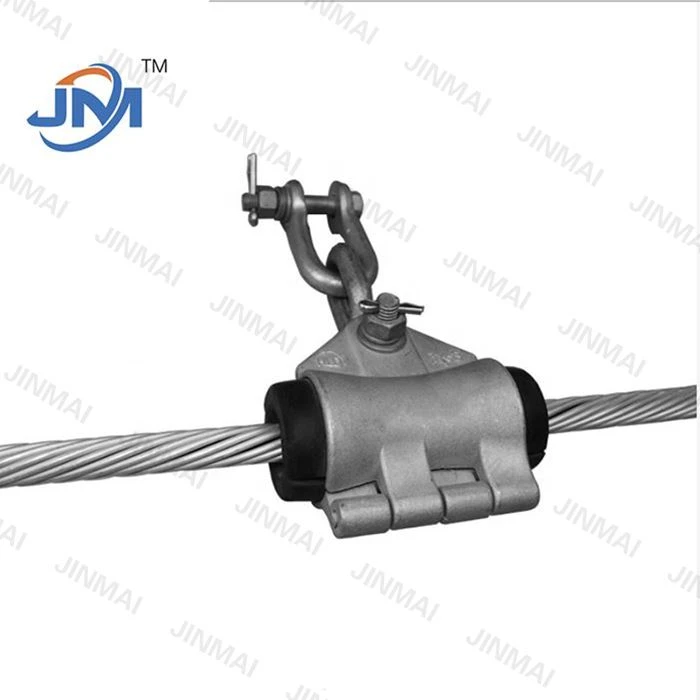
Before we discuss their use in wet conditions, let's first understand what bolt wire clamps are. Bolt wire clamps are essential components in electrical and mechanical systems. They are designed to secure wires, cables, or ropes in place, providing a reliable connection that can withstand tension and movement. These clamps typically consist of a metal body, bolts, and nuts, which are tightened to hold the wire firmly.
The materials used in bolt wire clamps vary, but common choices include stainless steel, galvanized steel, and aluminum. Each material has its own properties, such as strength, corrosion resistance, and conductivity, which influence the clamp's performance in different environments.
The Impact of Wet Conditions
Wet conditions can pose several challenges to the performance and longevity of bolt wire clamps. The primary concern is corrosion, which occurs when the metal components of the clamp react with water and oxygen. Corrosion can weaken the clamp, reducing its ability to hold the wire securely and potentially leading to failure.
In addition to corrosion, moisture can also affect the electrical conductivity of the clamp. If the clamp is used in an electrical system, the presence of water can cause short circuits or other electrical problems. Furthermore, wet conditions can make the installation and maintenance of the clamp more difficult, as the surfaces may be slippery and the components may be more prone to rusting during handling.
Factors Affecting the Suitability of Bolt Wire Clamps in Wet Conditions
Several factors determine whether bolt wire clamps can be used effectively in wet conditions. These include:
- Material Selection: As mentioned earlier, the choice of material is crucial. Stainless steel is known for its excellent corrosion resistance, making it a popular choice for wet environments. Galvanized steel, which has a protective zinc coating, can also provide good corrosion protection, but the coating may wear off over time. Aluminum is lightweight and has some corrosion resistance, but it may not be as durable as stainless steel in highly corrosive environments.
- Coating and Finishing: Applying a protective coating or finish to the clamp can enhance its corrosion resistance. Common coatings include epoxy, powder coating, and zinc plating. These coatings act as a barrier between the metal and the environment, preventing water and oxygen from reaching the surface of the clamp.
- Design and Construction: The design of the clamp can also affect its performance in wet conditions. A well-designed clamp should have a tight seal to prevent water from entering the clamping area. Additionally, the bolts and nuts should be properly tightened to ensure a secure connection, even in the presence of moisture.
- Environmental Conditions: The severity of the wet conditions also plays a role. For example, if the clamp is exposed to saltwater or acidic water, the corrosion rate will be higher than in fresh water. Similarly, if the clamp is subjected to high humidity or frequent wetting and drying cycles, it will be more prone to corrosion.
Solutions for Using Bolt Wire Clamps in Wet Conditions
Despite the challenges, there are several solutions available for using bolt wire clamps in wet conditions. These include:
- Selecting the Right Material: Choose a clamp made from a corrosion-resistant material, such as stainless steel. If cost is a concern, galvanized steel or aluminum may be suitable alternatives, but they may require more frequent maintenance.
- Applying a Protective Coating: Consider applying a protective coating or finish to the clamp to enhance its corrosion resistance. This can be done during the manufacturing process or as a post-treatment.
- Proper Installation and Maintenance: Ensure that the clamp is installed correctly and tightened to the recommended torque. Regularly inspect the clamp for signs of corrosion or damage, and replace any worn or damaged components as needed.
- Using Sealing Materials: To prevent water from entering the clamping area, use sealing materials such as gaskets or O-rings. These materials can provide an additional layer of protection against moisture.
Case Studies and Examples
To illustrate the effectiveness of these solutions, let's look at some real-world examples.
- Marine Applications: In the marine industry, bolt wire clamps are commonly used to secure cables and ropes on boats and offshore platforms. These clamps are exposed to saltwater, which is highly corrosive. By using stainless steel clamps with a protective coating, such as epoxy, and ensuring proper installation and maintenance, the clamps can withstand the harsh marine environment for many years.
- Underground Electrical Systems: In underground electrical systems, bolt wire clamps are used to connect cables and conductors. These systems are often exposed to wet soil and groundwater. By using galvanized steel clamps with a zinc plating and proper sealing materials, the clamps can prevent water from entering the connection and causing electrical problems.
Other Related Products
In addition to bolt wire clamps, we also offer a range of other products that are suitable for wet conditions. These include Embrace Hoop Retractor, Thimble Eye Rods, and ADSS Cable Fittings. These products are designed to provide reliable performance in challenging environments, and they can be used in conjunction with bolt wire clamps to create a complete solution.
Conclusion
In conclusion, bolt wire clamps can be used in wet conditions, but it is important to take the necessary precautions to ensure their performance and longevity. By selecting the right material, applying a protective coating, and following proper installation and maintenance procedures, the clamps can withstand the challenges of wet environments and provide a reliable connection for your electrical or mechanical system.
If you have any questions or need further information about our bolt wire clamps or other products, please feel free to contact us. We are here to help you find the right solution for your specific needs. Whether you are working on a marine project, an underground electrical system, or any other application that requires reliable wire clamping in wet conditions, we have the expertise and products to meet your requirements.
References
- "Corrosion of Metals in Water," Corrosionpedia.
- "Stainless Steel: Properties and Applications," The International Stainless Steel Forum.
- "Galvanized Steel: A Guide to Its Properties and Uses," American Galvanizers Association.