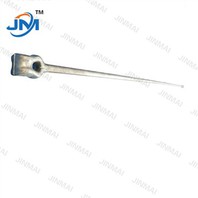
Forged eye bolts are a common and versatile type of fastener used in various industries. As a forged eye bolts supplier, I often receive inquiries about the suitability of these products for specific applications, including railway applications. In this blog post, I will explore whether forged eye bolts can be used in railway applications, considering factors such as safety, performance, and regulatory requirements.
Understanding Forged Eye Bolts
Forged eye bolts are manufactured through a forging process, which involves shaping metal by applying compressive forces. This process results in a stronger and more durable product compared to bolts made through other methods, such as casting. The eye at one end of the bolt provides a convenient attachment point for ropes, cables, or other equipment.
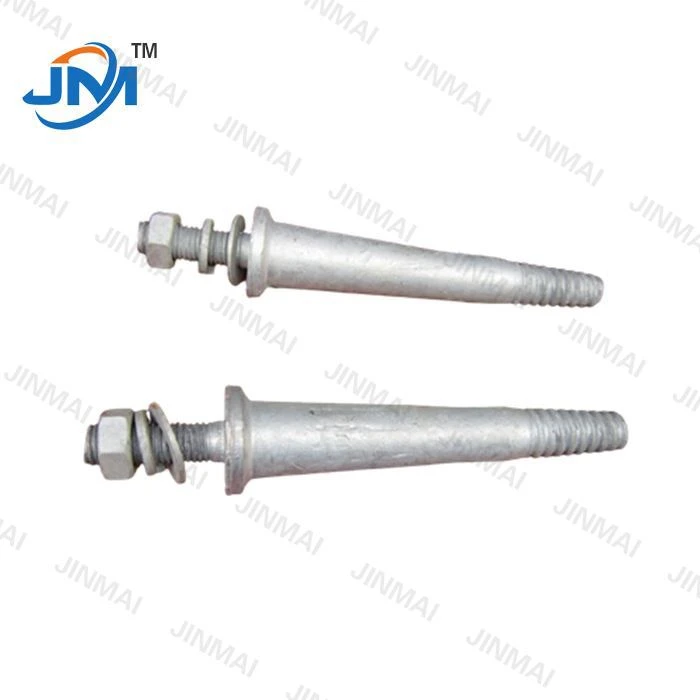

Forged eye bolts come in a variety of sizes, materials, and designs to meet different application requirements. Common materials include carbon steel, stainless steel, and alloy steel, each offering different levels of strength, corrosion resistance, and other properties.
Railway Applications and Their Requirements
The railway industry has strict safety and performance requirements due to the critical nature of its operations. Components used in railway applications must be able to withstand high loads, vibrations, and environmental factors. They also need to comply with various national and international standards to ensure the safety of passengers and the integrity of the railway infrastructure.
Some common railway applications where fasteners like eye bolts might be considered include:
- Track Maintenance and Installation: Eye bolts could potentially be used to secure equipment during track laying, maintenance, or repair work. For example, they might be used to attach lifting slings or to secure temporary structures.
- Rolling Stock: In the construction and maintenance of trains, eye bolts could be used for tasks such as attaching components, securing equipment, or providing lifting points.
- Infrastructure Support: For railway bridges, tunnels, and other infrastructure, eye bolts might be used in the installation and maintenance of support structures.
Can Forged Eye Bolts Be Used in Railway Applications?
Advantages
- Strength and Durability: The forging process gives eye bolts excellent strength and toughness, making them capable of withstanding high loads and stresses. This is crucial in railway applications where components are subject to heavy use and dynamic forces.
- Versatility: The eye design of the bolt provides a flexible attachment point, allowing for easy connection to other components. This can be useful in various railway applications where different types of equipment need to be secured or connected.
- Corrosion Resistance: Depending on the material used, forged eye bolts can offer good corrosion resistance. For example, stainless steel eye bolts are highly resistant to rust and can withstand harsh environmental conditions, which is important in railway applications exposed to moisture, chemicals, and salt.
Disadvantages and Challenges
- Regulatory Compliance: The railway industry is heavily regulated, and components must meet specific standards and certifications. Forged eye bolts used in railway applications need to comply with relevant standards such as those set by the International Union of Railways (UIC) or national railway authorities. Ensuring compliance can be a complex and costly process.
- Quality Assurance: To meet the high safety requirements of the railway industry, strict quality control measures are necessary. Any defect in a forged eye bolt could have serious consequences, so suppliers need to have robust quality assurance systems in place.
- Dynamic Loading and Fatigue: Railway applications involve dynamic loading and vibrations, which can cause fatigue in components over time. Forged eye bolts need to be designed and tested to withstand these conditions to prevent failure.
Considerations for Using Forged Eye Bolts in Railway Applications
Material Selection
- Carbon Steel: Carbon steel eye bolts are strong and relatively inexpensive, but they may require additional protection against corrosion. Hot - dip galvanizing is a common method to enhance their corrosion resistance. You can find Hot Dip Galvanized Tiger Tubular Stay Rod which uses similar galvanizing techniques that can be relevant in understanding corrosion protection for railway components.
- Stainless Steel: Stainless steel offers excellent corrosion resistance and is suitable for applications where exposure to moisture or chemicals is a concern. However, it is more expensive than carbon steel.
- Alloy Steel: Alloy steel eye bolts provide a combination of high strength and good corrosion resistance. They are often used in applications where high performance is required.
Design and Testing
- Proper Design: The design of the forged eye bolt should take into account the specific loads and conditions it will be subjected to in the railway application. This includes factors such as the size of the eye, the thread design, and the overall shape of the bolt.
- Testing: Eye bolts used in railway applications should undergo rigorous testing to ensure they meet the required standards. This may include tensile testing, fatigue testing, and corrosion resistance testing.
Regulatory Compliance
- Research and Certification: Suppliers need to research the specific regulatory requirements for railway applications in the target market. Obtaining the necessary certifications can be a time - consuming and expensive process, but it is essential for ensuring the safety and acceptance of the product.
Case Studies and Examples
Although there are limited publicly available case studies specifically on the use of forged eye bolts in railway applications, similar fasteners are used in related industries with high safety requirements. For example, in the aerospace industry, forged fasteners are used extensively due to their strength and reliability. The principles of using high - quality, tested, and compliant fasteners can be applied to railway applications as well.
Conclusion
Forged eye bolts have the potential to be used in railway applications, thanks to their strength, durability, and versatility. However, several challenges need to be addressed, including regulatory compliance, quality assurance, and proper design and testing. As a forged eye bolts supplier, I am committed to providing high - quality products that meet the strict requirements of the railway industry.
If you are involved in railway projects and are considering using forged eye bolts, I encourage you to contact me for more information. We can discuss your specific requirements, provide detailed product information, and work together to ensure that the eye bolts you choose are suitable for your application. Whether you need Electric Pole Fittings or Eye Bolt Eye Bolt Hook, we have the expertise and products to meet your needs. Let's start a conversation about how we can work together to support your railway projects.
References
- International Union of Railways (UIC) standards.
- National railway safety regulations and standards.
- Engineering handbooks on fasteners and materials.