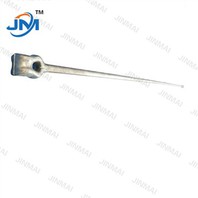
As a supplier of steel flat arms, I often receive inquiries from customers about the regulations governing their use. Steel flat arms are versatile components used in various industries, including construction, manufacturing, and electrical engineering. Understanding the regulations associated with their use is crucial for ensuring safety, compliance, and optimal performance. In this blog post, I will explore the key regulations and considerations related to the use of steel flat arms.
Industry Standards and Codes
One of the primary sources of regulations for using steel flat arms is industry standards and codes. These standards are developed by professional organizations and government agencies to ensure the safety and quality of products and practices within specific industries. For example, in the construction industry, the American Institute of Steel Construction (AISC) provides guidelines for the design, fabrication, and erection of steel structures, including the use of steel flat arms.
The AISC's Steel Construction Manual contains detailed information on the design requirements for steel members, such as flat arms, based on factors like load capacity, material properties, and connection details. Adhering to these standards helps ensure that steel flat arms are used in a manner that meets the structural integrity and safety requirements of the project.
Similarly, in the electrical industry, the National Electrical Code (NEC) sets forth regulations for the installation and use of electrical equipment, including the use of steel flat arms for mounting electrical components. The NEC addresses issues such as grounding, bonding, and the proper sizing and installation of supports to prevent electrical hazards and ensure reliable operation.
Material Specifications
Another important aspect of using steel flat arms is compliance with material specifications. Steel flat arms are typically made from various grades of steel, each with its own set of properties and characteristics. The choice of steel grade depends on factors such as the intended application, load requirements, and environmental conditions.
For example, in applications where corrosion resistance is a concern, such as outdoor or marine environments, stainless steel or galvanized steel flat arms may be specified. These materials offer enhanced protection against rust and corrosion, ensuring the longevity and durability of the flat arms.
In addition to the steel grade, other material specifications may include the thickness, width, and length of the flat arms. These dimensions are typically specified based on the design requirements of the project and must be carefully considered to ensure that the flat arms can support the intended loads.
Installation and Assembly
Proper installation and assembly of steel flat arms are essential for their safe and effective use. This includes following the manufacturer's instructions and guidelines, as well as any applicable industry standards and codes.
During installation, it is important to ensure that the flat arms are securely fastened to the supporting structure using appropriate hardware, such as Electric Bolts Hexagon Bolts. The bolts should be tightened to the specified torque to prevent loosening and ensure a stable connection.
In addition, the alignment and positioning of the flat arms are critical for their proper functioning. They should be installed in a level and plumb position to ensure that they can support the loads evenly and prevent any undue stress or strain on the components.
When assembling multiple flat arms together, it is important to use the correct connection methods and hardware. For example, Hot DIP Pole Band Galvanized Steel C Stand Mounting Clamps Steel or High-quality HDG Steel Clamps/pole Clips may be used to secure the flat arms in place and provide a rigid and stable structure.
Safety Considerations
Safety is always a top priority when using steel flat arms. This includes taking appropriate precautions to prevent accidents and injuries during installation, use, and maintenance.
One of the key safety considerations is the proper handling and storage of steel flat arms. They should be stored in a dry and secure location to prevent damage and corrosion. When handling the flat arms, it is important to use appropriate lifting equipment and techniques to avoid injury.
In addition, workers should be trained on the proper use and installation of steel flat arms, including the use of personal protective equipment (PPE) such as gloves, safety glasses, and hard hats. They should also be aware of the potential hazards associated with working with steel, such as sharp edges and heavy loads, and take appropriate precautions to minimize these risks.


Environmental Regulations
In some cases, the use of steel flat arms may be subject to environmental regulations. For example, in applications where the flat arms are used in or near water bodies, there may be regulations governing the use of materials that could potentially contaminate the water.
In addition, the disposal of steel flat arms at the end of their useful life may be subject to environmental regulations. It is important to ensure that the flat arms are disposed of in a manner that complies with local, state, and federal regulations to minimize the impact on the environment.
Conclusion
In conclusion, there are several regulations and considerations associated with the use of steel flat arms. These include industry standards and codes, material specifications, installation and assembly requirements, safety considerations, and environmental regulations.
As a supplier of steel flat arms, we are committed to providing our customers with high-quality products that meet all applicable regulations and standards. We also offer technical support and guidance to help our customers ensure that the steel flat arms are used in a safe and effective manner.
If you are interested in purchasing steel flat arms or have any questions about their use, please feel free to contact us. We would be happy to discuss your specific requirements and provide you with a quote.
References
- American Institute of Steel Construction (AISC). Steel Construction Manual.
- National Electrical Code (NEC).