Hey there! As a supplier of Line Iron Parts, I've seen firsthand the incredible impact these parts have on the textile industry. In this blog, we're gonna dive into all the cool applications of line iron parts in textiles.
1. Loom Mechanisms
One of the primary areas where line iron parts shine is in loom mechanisms. Looms are the heart of textile production, used to weave threads together to create fabric. Line iron parts such as shafts, healds, and reeds are crucial components of a loom.
The shafts are often made with high - quality line iron. They are used to control the movement of the warp threads. By raising and lowering the shafts in a specific pattern, different weave patterns can be created. For example, in a plain weave, the shafts alternate in a simple up - and - down motion. The strength and durability of line iron make these shafts reliable for continuous use in high - speed looms.
Healds, which are attached to the shafts, are also commonly made from line iron. They hold the individual warp threads and guide them through the correct path during the weaving process. A well - crafted line iron heald ensures smooth thread movement, reducing the chances of thread breakage. Thread breakage can be a huge headache in textile production as it slows down the process and affects the quality of the fabric.
Reeds are another key component made with line iron. They are responsible for beating the weft thread into place after it has been inserted through the warp threads. The precise shape and construction of a line iron reed are essential for uniform fabric production. If the reed is not made properly, the fabric may have uneven thickness or density.
2. Yarn Spinning Equipment
In the yarn spinning process, line iron parts play an important role as well. Spinning is the process of converting fibers into yarn. Equipment like spinning frames rely on line iron components for smooth operation.
The spindles, which are the rotating parts that twist the fibers together to form yarn, are often made with line iron. The high - strength properties of line iron allow the spindles to rotate at high speeds without deformation. When the spindles are made of good - quality line iron, they can maintain their shape and balance, resulting in high - quality yarn production.
Another important part in spinning equipment is the drafting system. This system is used to stretch and thin the fibers before they are twisted into yarn. Line iron parts are used in the drafting rollers and other related components. The rollers need to have a smooth surface and consistent diameter, which line iron can provide. This ensures that the fibers are evenly drawn out, leading to a more uniform yarn.
3. Textile Dyeing and Finishing Machinery
Line iron parts are also widely used in textile dyeing and finishing machinery. Dyeing is the process of adding color to the fabric, and finishing is used to improve its appearance and performance.
In dyeing machines, line iron parts are used in the conveyor systems that move the fabric through the dye bath. These parts need to be resistant to the chemicals in the dye bath. Line iron can be treated to have a protective coating, making it suitable for this harsh environment. For example, Hot Dip Galvanized Pole Band Mounting Clamp can be used in the frame structures of these conveyor systems, providing a strong and corrosion - resistant support.
In finishing machinery, such as calenders that are used to smooth and press the fabric, line iron parts are used in the rollers and the frame. The rollers need to have high precision and strength to ensure a smooth finish on the fabric. Line iron can be machined to the exact specifications required for these rollers, resulting in a high - quality finished product.
4. Textile Printing Machines
Textile printing is the process of applying patterns or colors to the fabric. Printing machines use a variety of line iron parts.
The printing cylinders, which transfer the ink or dye onto the fabric, often have line iron components. These cylinders need to be very precise in their dimensions and surface finish. Line iron can be machined to meet these strict requirements. The surface of the line iron cylinder can be treated to ensure good ink or dye transfer, resulting in clear and sharp prints on the fabric.
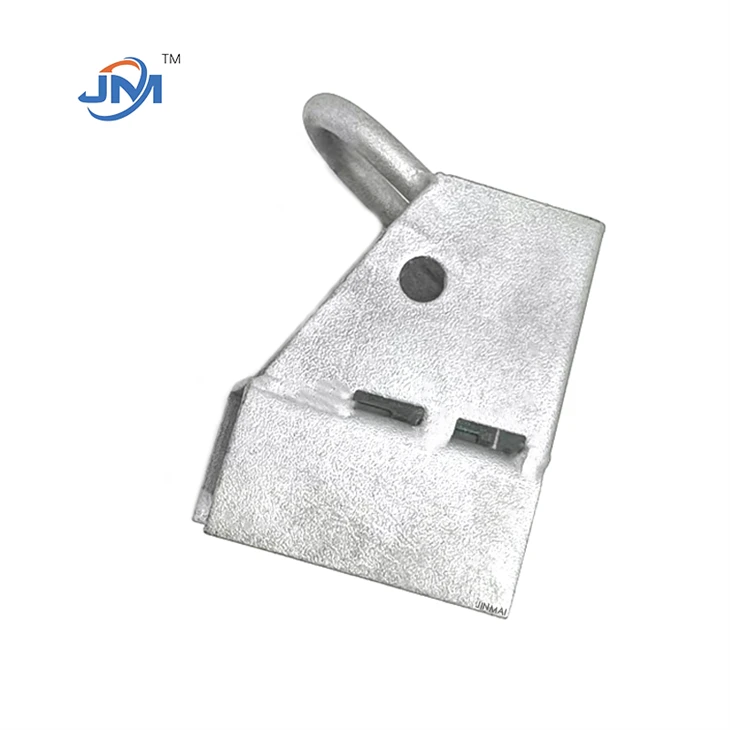
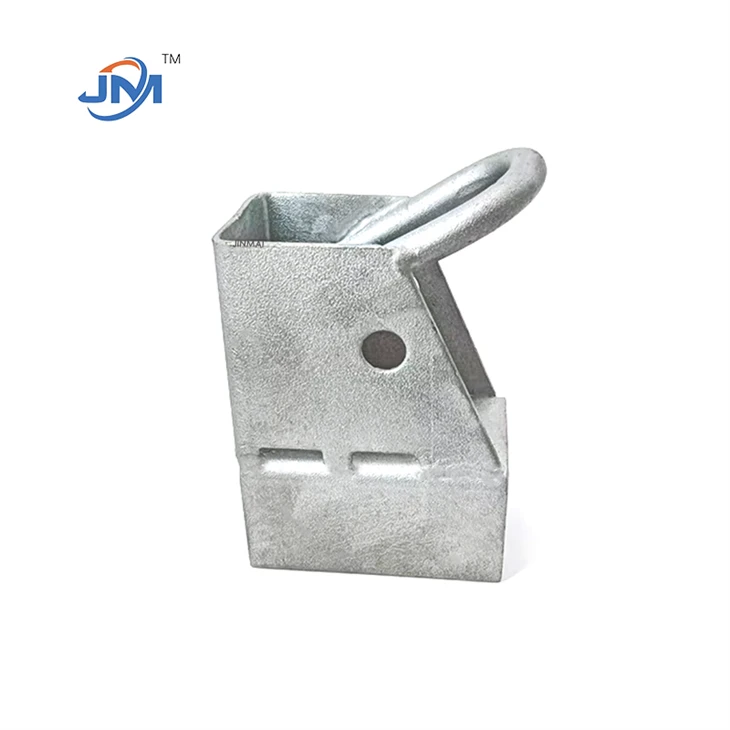
The frame and support structures of textile printing machines also rely on line iron parts. They need to be strong enough to hold the heavy printing cylinders and other components in place during the high - speed operation of the machine. Stainless Steel Drop Cable Clamps can be used to secure the cables and wiring in these machines, ensuring the safety and efficient operation.
5. Automated Textile Manufacturing Systems
With the development of technology, more and more textile manufacturing processes are becoming automated. Line iron parts are essential in these automated systems.
In robotic arms used for fabric handling and sorting, line iron is used in the joints and structural components. The strength and stiffness of line iron allow the robotic arms to move precisely and carry out complex tasks. These parts need to be able to withstand repeated movements and heavy loads without breaking down.
In the control systems of automated textile machinery, line iron enclosures are used to protect the sensitive electronic components. These enclosures need to be strong and provide electromagnetic shielding. Line iron can be easily fabricated into the required shapes and sizes for these enclosures, ensuring the proper functioning of the control systems.
6. Power Transmission in Textile Factories
Line iron parts are also critical for power transmission in textile factories. Power needs to be transferred from the motors to various machines in the factory, such as looms, spinning machines, and dyeing machines.
Sprockets and gears made from line iron are commonly used in power transmission systems. They need to have a high level of precision and strength to ensure smooth and efficient power transfer. If the sprockets or gears are not made properly, there may be power loss or even machine breakdown. The durability of line iron ensures a long service life for these transmission components.
Shaft couplings are another important part where line iron is used. They connect two shafts together and transmit power between them. A well - made line iron shaft coupling can accommodate misalignment between the shafts to a certain extent, reducing the wear and tear on the shafts and other components. Electric Power Equipment Export - oriented Metal Products can be used in large - scale power transmission systems in textile factories, providing reliable and efficient power transfer.
If you're involved in the textile industry and are looking for high - quality line iron parts, we're here to help. Our line iron parts are manufactured to the highest standards, with strict quality control at every step of the production process. Whether you need parts for a small - scale textile workshop or a large - scale manufacturing plant, we can meet your needs. Contact us for procurement and let's have a great business talk!
References
- Textile Machinery Handbook. 2020 Edition
- Journal of Textile Science and Technology, various issues