Hey there! As a supplier of line iron parts, I often get asked the question: Can line iron parts be recycled? Well, let's dive right into it and find out.
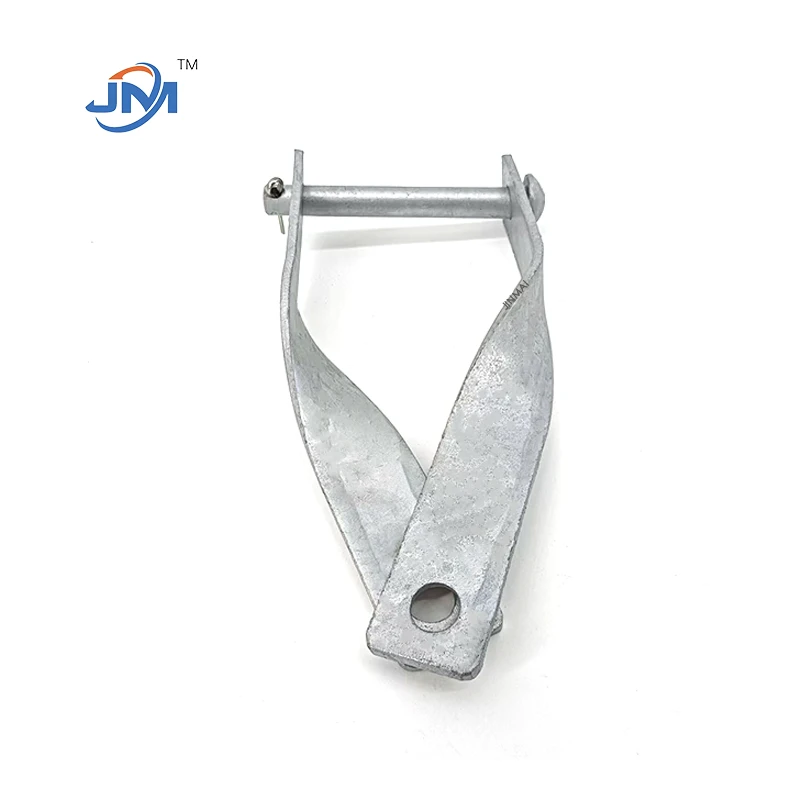
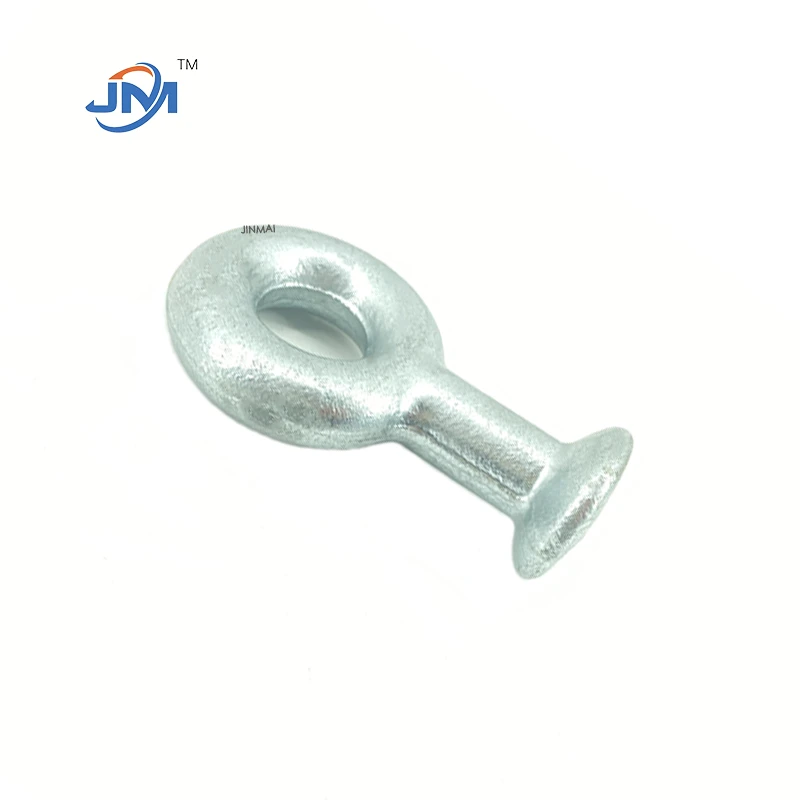
First off, what are line iron parts? These are components used in various industries, especially in power transmission and overhead line systems. We're talking about things like Hot-DIP Galvanized Link-Fittings Ball Eye, Hot Dip Galvanized Steel Twisted Strap Clevis For Over Head Line Accessories, and Pin Type Insulator For Power Transmission. They're made of iron or steel and play a crucial role in keeping our power lines up and running.
Now, to answer the big question: Yes, line iron parts can definitely be recycled. Iron is one of the most recycled materials in the world, and for good reason. It's highly durable and can be reused multiple times without losing its quality. When line iron parts reach the end of their useful life, they can be collected, sorted, and sent to recycling facilities.
At the recycling plant, the process starts with sorting the line iron parts based on their composition and type. This helps in ensuring that the recycling process is as efficient as possible. Once sorted, the parts are usually shredded into smaller pieces. This increases the surface area of the iron, making it easier to melt down.
The shredded pieces are then melted in a furnace at extremely high temperatures. During this melting process, impurities are removed, and the iron is refined to a high purity level. The molten iron can then be used to make new line iron parts or other iron-based products. It's a closed-loop system that saves resources and reduces the environmental impact of producing new iron.
One of the main benefits of recycling line iron parts is the conservation of natural resources. Mining iron ore is a resource-intensive process that can have a significant impact on the environment. By recycling existing iron, we reduce the need for new mining operations. This helps in preserving our natural landscapes and reducing the amount of energy and water used in the production of new iron.
Recycling also has economic benefits. It creates jobs in the recycling industry, from collection and sorting to processing and manufacturing. Additionally, recycled iron is often cheaper to produce than new iron, which can lead to cost savings for manufacturers. These savings can be passed on to consumers, making products more affordable.
Another advantage of recycling line iron parts is the reduction of greenhouse gas emissions. The production of new iron from ore generates a large amount of carbon dioxide. Recycling, on the other hand, requires less energy and produces fewer emissions. This is an important step in the fight against climate change.
However, there are some challenges in recycling line iron parts. One of the main issues is the presence of coatings or other materials on the parts. For example, some line iron parts may be galvanized, which means they have a layer of zinc on the surface. While zinc is also recyclable, it needs to be separated from the iron during the recycling process. This can add an extra step and cost to the recycling operation.
Another challenge is the collection and transportation of the line iron parts. They are often large and heavy, which can make it difficult and expensive to move them from the end-user to the recycling facility. To overcome this, it's important to have an efficient collection system in place. This could involve partnerships between suppliers, manufacturers, and recycling companies to ensure that the parts are collected and recycled in a timely and cost-effective manner.
As a supplier of line iron parts, I'm committed to promoting recycling. We encourage our customers to return their used parts to us for recycling. We also work closely with recycling facilities to ensure that the parts are recycled in the most environmentally friendly way possible.
If you're in the market for high-quality line iron parts, I'd love to have a chat with you. Whether you're a power company, a contractor, or an equipment manufacturer, we can provide you with the right parts for your needs. We offer a wide range of products, including the ones I mentioned earlier, and we're always happy to help you find the best solution for your project.
So, if you're interested in learning more about our line iron parts or have any questions about recycling, don't hesitate to get in touch. We're here to assist you and make the process as smooth as possible.
In conclusion, line iron parts can and should be recycled. It's good for the environment, good for the economy, and a responsible choice for the future. By working together, we can ensure that our line iron parts are recycled efficiently and that we continue to enjoy the benefits of a reliable power supply while minimizing our impact on the planet.
References
- "Recycling of Iron and Steel." World Steel Association.
- "The Environmental Benefits of Recycling." EPA.