When it comes to food - processing equipment, one critical consideration is the materials used in its construction. As a supplier of line iron parts, I often receive inquiries about the suitability of these parts for food - processing applications. This blog post aims to explore the question: Can line iron parts be used in food - processing equipment?


Understanding Line Iron Parts
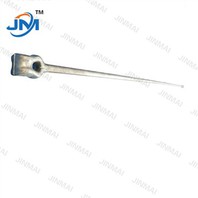
Line iron parts are typically made from iron or iron - alloy materials. They come in various shapes and forms, such as bolts, rods, and connectors. These parts are known for their durability, strength, and relatively low cost, which makes them popular in many industrial applications. For example, Split Body Turnbuckle Bolts Hot Dip Galvanized / Electro Galvanized are commonly used in structural applications due to their high tensile strength and corrosion - resistance properties. Similarly, Ball Head Ring Bowl Type Connection Hardware and Forged Single Eyelet Anchor Rod Pole And Wire Hardware offer reliable connection solutions in different mechanical systems.
Factors to Consider for Food - Processing Equipment
Hygiene Requirements
Food - processing equipment must meet strict hygiene standards to ensure the safety of the food products. Any material used in contact with food should be non - toxic, easy to clean, and resistant to corrosion and microbial growth. Iron, in its pure form, can rust when exposed to moisture and oxygen. Rust not only weakens the structural integrity of the parts but also poses a risk of contamination to the food. If rust flakes off into the food, it can cause physical hazards and may also introduce harmful substances.
However, modern line iron parts can be coated or treated to enhance their corrosion - resistance. For instance, hot - dip galvanizing or electro - galvanizing processes can create a protective zinc layer on the iron surface, preventing rust formation. This zinc coating is relatively stable and can resist corrosion in most food - processing environments. Additionally, proper surface finishing, such as polishing, can make the parts smoother, reducing the areas where dirt and bacteria can accumulate.
Chemical Compatibility
Food products can have different chemical compositions, including acids, bases, and salts. The materials used in food - processing equipment need to be chemically compatible with these substances to avoid chemical reactions that could contaminate the food. Some line iron parts may react with certain acidic or alkaline food components, releasing metal ions into the food. This can not only affect the taste and quality of the food but also pose potential health risks if the metal ions are present in high concentrations.
To address this issue, careful selection of iron alloys and coatings is essential. Some specialized iron alloys are designed to be more resistant to chemical attack. Moreover, non - reactive coatings can be applied to the line iron parts to act as a barrier between the iron and the food.
Safety Regulations
Food - processing equipment must comply with various national and international safety regulations. In many countries, food - contact materials are subject to strict testing and certification requirements. For example, the Food and Drug Administration (FDA) in the United States has established guidelines for the use of materials in food - processing equipment. These guidelines specify the acceptable materials, their limits of use, and the testing procedures to ensure their safety.
Before using line iron parts in food - processing equipment, it is crucial to ensure that they meet the relevant safety regulations. This may involve obtaining certifications from recognized testing laboratories or providing detailed information about the materials and manufacturing processes to the regulatory authorities.
Advantages of Using Line Iron Parts in Food - Processing Equipment
Strength and Durability
One of the main advantages of line iron parts is their high strength and durability. Food - processing equipment often operates under harsh conditions, including high pressures, vibrations, and mechanical stresses. Line iron parts can withstand these forces without deforming or breaking easily, ensuring the long - term reliability of the equipment. This reduces the need for frequent replacement of parts, which can save costs and minimize downtime in the production process.
Cost - Effectiveness
Compared to some other materials used in food - processing equipment, such as stainless steel or titanium, line iron parts are generally more cost - effective. This makes them an attractive option for small and medium - sized food - processing companies that need to balance quality and cost. By using line iron parts, these companies can achieve a good level of performance in their equipment without incurring excessive expenses.
Mitigating Risks and Ensuring Safety
Coating and Surface Treatment
As mentioned earlier, coating and surface treatment are crucial for enhancing the performance of line iron parts in food - processing applications. In addition to galvanizing, other coatings such as epoxy coatings or polymer coatings can be used. These coatings not only provide corrosion protection but also create a smooth and non - reactive surface that is easy to clean.
Regular Inspection and Maintenance
To ensure the continued safety and reliability of line iron parts in food - processing equipment, regular inspection and maintenance are necessary. This includes checking for signs of corrosion, wear, and damage. Any damaged parts should be replaced immediately to prevent further problems. Additionally, proper cleaning and sanitization procedures should be followed to maintain the hygiene of the equipment.
Quality Control during Manufacturing
As a line iron parts supplier, strict quality control measures are implemented during the manufacturing process. This includes using high - quality raw materials, following precise manufacturing processes, and conducting thorough testing. By ensuring the quality of the line iron parts from the start, the risks associated with their use in food - processing equipment can be minimized.
Conclusion
In conclusion, line iron parts can be used in food - processing equipment, but careful consideration and appropriate measures are required. The key lies in addressing the hygiene, chemical compatibility, and safety concerns through proper coating, surface treatment, regular maintenance, and compliance with safety regulations. When used correctly, line iron parts can offer significant advantages in terms of strength, durability, and cost - effectiveness.
If you are interested in using our line iron parts for your food - processing equipment or have any questions about their suitability, please feel free to contact us. We are always ready to provide you with detailed information and work with you to find the best solutions for your needs.
References
- Food and Drug Administration (FDA). Guidelines for Food - Contact Materials.
- International Organization for Standardization (ISO). Standards for Food - Processing Equipment.
- Metal Handbook: Properties and Selection of Metals. ASM International.