Can line iron parts be used in marine environments? That's a question I've been asked quite a bit lately, especially since I'm a supplier of line iron parts. So, I thought I'd sit down and write a blog post to share my thoughts and experiences on this topic.
First off, let's talk about what line iron parts are. Line iron parts are basically metal components that are used in a variety of applications, from electrical systems to construction projects. They come in all shapes and sizes, and can be made from different types of metals, including steel, iron, and aluminum.
Now, when it comes to using line iron parts in marine environments, there are a few things to consider. The marine environment is a harsh one, with saltwater, high humidity, and strong winds all taking their toll on metal components. So, the first thing you need to think about is corrosion.
Corrosion is the enemy of metal parts in the marine environment. Saltwater is highly corrosive, and it can cause metal to rust and deteriorate over time. This can lead to structural damage, reduced performance, and even safety issues. So, if you're going to use line iron parts in a marine environment, you need to make sure they're protected against corrosion.
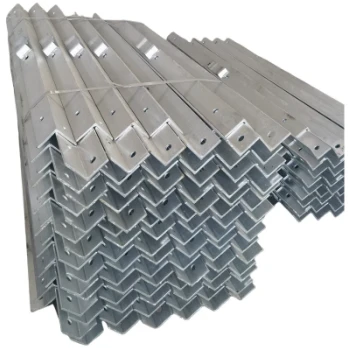
One way to protect line iron parts against corrosion is to use a coating. There are several types of coatings available, including paint, powder coating, and hot-dip galvanizing. Hot Dip Galvanized Angle Steel is a great option for marine applications. Hot-dip galvanizing involves dipping the metal part in a bath of molten zinc, which creates a protective layer that helps prevent corrosion. This layer is very durable and can last for many years, even in harsh marine environments.
Another important factor to consider is the design of the line iron parts. In a marine environment, the parts need to be able to withstand the forces of the water and the wind. They also need to be able to resist the impact of waves and other objects. So, the design of the parts should be robust and able to handle these conditions.
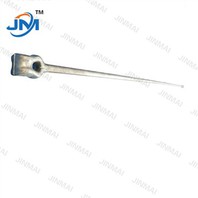
For example, Hot-DIP Galvanized Link-Fittings Ball Eye are designed to be strong and durable. They are often used in marine rigging and other applications where they need to withstand high loads and forces. The ball eye design allows for flexibility and movement, which is important in a marine environment where the conditions can be constantly changing.
In addition to corrosion and design, you also need to consider the electrical properties of the line iron parts. In a marine environment, there is a risk of electrical conductivity, which can lead to problems such as short circuits and electrical shocks. So, if the parts are going to be used in an electrical system, you need to make sure they are properly insulated.
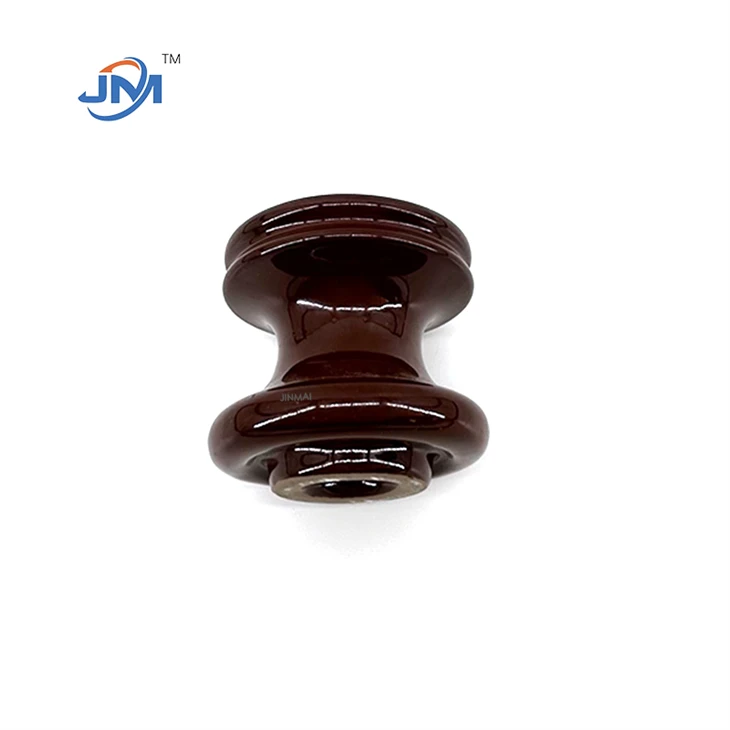
Insulator is a key component in preventing electrical conductivity. Insulators are made from materials that do not conduct electricity, such as rubber, plastic, or ceramic. They are used to separate electrical components and prevent the flow of electricity where it is not wanted.
Now, let's talk about some of the specific applications where line iron parts can be used in marine environments. One common application is in the construction of boats and ships. Line iron parts are used in the hull, the deck, and other structural components of the vessel. They provide strength and support, and help ensure the safety and stability of the boat or ship.
Another application is in marine electrical systems. Line iron parts are used in the wiring, the switches, and the other components of the electrical system. They need to be able to withstand the harsh marine environment and provide reliable electrical performance.
Line iron parts can also be used in marine infrastructure, such as docks, piers, and offshore platforms. These structures need to be strong and durable, and line iron parts can play an important role in their construction and maintenance.
So, can line iron parts be used in marine environments? The answer is yes, but with some important considerations. You need to make sure the parts are protected against corrosion, have a robust design, and are properly insulated if they are going to be used in an electrical system.
If you're in the market for line iron parts for a marine application, I'd love to help. As a supplier, I have a wide range of line iron parts available, including those that are specifically designed for marine environments. I can provide you with high-quality products at competitive prices, and I'm always happy to answer any questions you may have.
Whether you're building a new boat, upgrading your marine electrical system, or working on a marine infrastructure project, I can help you find the right line iron parts for your needs. So, don't hesitate to get in touch and start the conversation. Let's work together to ensure your marine project is a success.
References
- Corrosion in Marine Environments: A Practical Guide, various authors
- Handbook of Marine Engineering, multiple contributors
- Electrical Systems in Marine Applications, industry experts