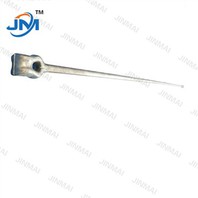
As a supplier of NXJG Wire Clamps, I often receive inquiries from customers about the suitability of our products for various applications, one of the most common being underground wiring. In this blog post, I'll explore whether NXJG Wire Clamps can be used for underground wiring, considering factors such as design, material, and environmental compatibility.
Understanding NXJG Wire Clamps
Before delving into the feasibility of using NXJG Wire Clamps for underground wiring, it's essential to understand what these clamps are and how they function. NXJG Wire Clamps are designed to securely hold electrical wires in place, preventing them from moving or coming loose. They are typically made from high - quality materials that offer good mechanical strength and electrical conductivity.
The construction of NXJG Wire Clamps usually involves a robust body and a clamping mechanism that can be tightened to grip the wire firmly. This design ensures a stable connection between the wire and the clamp, which is crucial for maintaining electrical integrity.
Considerations for Underground Wiring
Underground wiring presents a unique set of challenges compared to above - ground wiring. The environment underground is often more harsh, with factors such as moisture, soil acidity, and mechanical stress from ground movement.
Moisture Resistance
Moisture is one of the most significant threats to underground electrical components. Water can cause corrosion of metal parts, which can lead to a breakdown of the electrical connection and eventually, system failure. NXJG Wire Clamps are typically made from materials that have some degree of corrosion resistance. For example, many of our clamps are made from galvanized steel or aluminum alloys. Galvanization provides a protective layer on the steel surface, which helps to prevent rusting. Aluminum alloys also have a natural oxide layer that offers some protection against corrosion. However, in extremely wet or corrosive soil conditions, additional protective measures may be required.
Soil Acidity
The acidity of the soil can also affect the performance of underground wiring components. Acidic soil can accelerate the corrosion process, especially for metal parts. When considering using NXJG Wire Clamps underground, it's important to assess the soil acidity in the installation area. In areas with highly acidic soil, using clamps with enhanced corrosion - resistant coatings or materials may be necessary.
Mechanical Stress
Underground wiring is subject to mechanical stress from ground movement, such as soil settlement or seismic activity. NXJG Wire Clamps are designed to provide a secure grip on the wires, which helps to withstand some degree of mechanical stress. However, in areas prone to significant ground movement, additional support or anchoring may be required to ensure the long - term stability of the wiring system.
Case Studies and Practical Applications
In some practical applications, NXJG Wire Clamps have been successfully used for underground wiring. For example, in a residential electrical installation project, our clamps were used to secure the underground power cables. The area had relatively stable soil conditions and a moderate level of moisture. Over a period of several years, there were no reported issues with the performance of the clamps. The galvanized steel construction provided sufficient corrosion resistance, and the secure clamping mechanism ensured that the wires remained in place.
However, in a commercial project in an area with high soil acidity and frequent ground movement, additional measures were taken. The NXJG Wire Clamps were coated with a special anti - corrosion paint, and the wiring system was installed with additional support structures to mitigate the effects of mechanical stress. This combination ensured the reliable operation of the underground wiring.


Comparison with Other Fittings
There are other types of wire clamps and fittings available in the market for underground wiring. For example, Bolt Wire Clamp is another option. Bolt wire clamps offer a different clamping mechanism, which may be more suitable for certain types of wires or installation requirements.
FTTH Fitting Splint Wire Hook is often used in fiber - to - the - home (FTTH) applications. While it may not be directly comparable to NXJG Wire Clamps in terms of function, it shows the diversity of fittings available for different electrical wiring scenarios.
Pole Top Bracket is typically used for above - ground installations on poles. However, understanding the design and features of these brackets can provide insights into the engineering principles behind electrical fittings, which can be relevant when considering underground wiring solutions.
Conclusion
In conclusion, NXJG Wire Clamps can be used for underground wiring, but several factors need to be carefully considered. The design and material of the clamps offer a certain level of protection against moisture, soil acidity, and mechanical stress. However, in challenging environments, additional protective measures may be necessary.
If you are planning an underground wiring project and are considering using NXJG Wire Clamps, I encourage you to contact us for more detailed information. Our team of experts can provide guidance on the suitability of our products for your specific application, taking into account factors such as soil conditions, wire type, and installation requirements. We are committed to providing high - quality products and excellent customer service to ensure the success of your electrical projects. Whether you are a contractor, an electrician, or a property owner, we are here to assist you in making the right choice for your underground wiring needs.
References
- Electrical Installation Handbook, Schneider Electric
- Corrosion Prevention in Underground Electrical Systems, IEEE Publications
- Best Practices for Underground Wiring, National Electrical Contractors Association