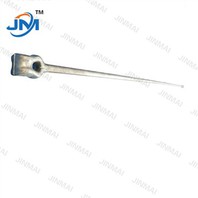
Hey there! As a supplier of Pigtail Eye Bolts, I often get asked if these nifty little bolts can be used in wind turbine construction. It's a great question, and today, I'm gonna break it down for you.
Understanding Pigtail Eye Bolts
First off, let's talk about what pigtail eye bolts are. They're basically bolts with a looped end, kind of like a pigtail. This loop is super handy as it allows for easy attachment of cables, ropes, or other hardware. They come in different sizes and materials, depending on the specific application.
The design of pigtail eye bolts makes them versatile. They can be used in various industries, from construction to marine applications. But the big question is, can they hold up in the demanding environment of wind turbine construction?
The Demands of Wind Turbine Construction
Wind turbines are massive structures that are constantly exposed to harsh conditions. They have to withstand high winds, extreme temperatures, and vibrations. The components used in wind turbine construction need to be strong, durable, and reliable.
For example, the bolts used in wind turbines are responsible for holding together different parts of the structure, like the blades, the nacelle (the housing that contains the generator and other components), and the tower. These bolts need to be able to handle the immense forces generated by the rotation of the blades and the movement of the turbine in the wind.
Can Pigtail Eye Bolts Meet the Requirements?
When it comes to wind turbine construction, pigtail eye bolts can definitely have a place. Here are some reasons why:
1. Attachment of Cables
Wind turbines use a lot of cables for various purposes, such as power transmission, control systems, and safety features. Pigtail eye bolts can be used to securely attach these cables. The looped end of the bolt provides a convenient and reliable way to connect the cables, ensuring that they stay in place even under high stress.
For instance, in the nacelle, there are cables that need to be connected to different components. Pigtail eye bolts can be used to anchor these cables, preventing them from moving around and potentially causing damage.
2. Safety and Maintenance
Pigtail eye bolts can also be used in safety and maintenance applications. For example, they can be used to attach safety ropes for workers who need to access different parts of the turbine for inspection or repair. The looped end of the bolt provides a secure attachment point for the rope, giving the workers peace of mind while they're working at height.
In addition, during maintenance, pigtail eye bolts can be used to hold parts in place temporarily. This can make it easier for technicians to work on the turbine without having to worry about the parts moving or falling.
3. Flexibility in Design
The design of pigtail eye bolts allows for some flexibility in the construction process. They can be easily adjusted and repositioned if needed. This can be useful in situations where the layout of the turbine needs to be modified or if there are changes in the cable routing.
Considerations When Using Pigtail Eye Bolts in Wind Turbine Construction
While pigtail eye bolts have their advantages, there are also some considerations to keep in mind:
1. Material Selection
The material of the pigtail eye bolts is crucial. In a wind turbine environment, the bolts need to be made of a material that can resist corrosion, as they will be exposed to the elements. Stainless steel is a popular choice as it is strong, durable, and resistant to rust.
2. Load Capacity
It's important to ensure that the pigtail eye bolts have the appropriate load capacity for the specific application. The load capacity of the bolts will depend on factors such as the size of the bolt, the material it's made of, and the type of load it will be subjected to. Before using the bolts, it's essential to calculate the expected loads and choose the bolts accordingly.


3. Installation
Proper installation is key to ensuring the effectiveness of the pigtail eye bolts. The bolts need to be tightened to the correct torque to prevent them from coming loose over time. In addition, the installation process should follow the manufacturer's guidelines to ensure that the bolts are installed correctly and safely.
Other Related Components
In addition to pigtail eye bolts, there are other components that are commonly used in wind turbine construction. For example, Cable Pole Hook can be used to support and route cables along the tower of the wind turbine. These hooks are designed to hold the cables securely in place, preventing them from sagging or getting damaged.
Pigtail Hook Bolts are another option. They are similar to pigtail eye bolts but have a hook instead of a looped end. These bolts can be used in applications where a hook is more suitable, such as attaching chains or other hardware.
Hardware Pole Line Hook can also be used in wind turbine construction. These hooks are typically used to support and secure electrical lines or other hardware on poles. They can be useful in the installation and maintenance of the wind turbine's electrical system.
Conclusion
So, can pigtail eye bolts be used in wind turbine construction? The answer is yes, but with some considerations. They can be a valuable component in the construction, safety, and maintenance of wind turbines. However, it's important to choose the right bolts, ensure proper installation, and consider the specific requirements of the application.
If you're involved in wind turbine construction or maintenance and are interested in learning more about our pigtail eye bolts or other related components, don't hesitate to reach out. We're here to help you find the right solutions for your project.
References
- Smith, J. (2020). Wind Turbine Design and Construction. New York: ABC Publishing.
- Johnson, M. (2019). Handbook of Bolts and Fasteners. London: XYZ Press.