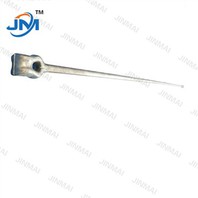
Can steel flat arms be used in escalators? This is a question that often arises in the field of escalator manufacturing and maintenance. As a supplier of steel flat arms, I am well - versed in the properties and potential applications of these products, and I'd like to delve into this topic in detail.
1. Understanding Steel Flat Arms
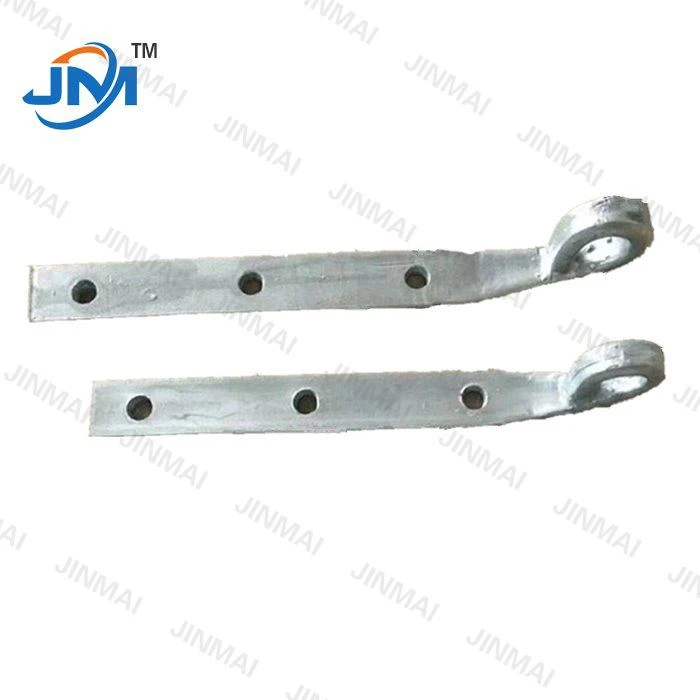
Steel flat arms are a type of metal component characterized by their flat, elongated shape. They are typically made from high - quality steel, which offers excellent strength, durability, and resistance to wear and corrosion. The manufacturing process of steel flat arms involves precision machining and heat treatment to ensure that they meet the required mechanical properties.
The advantages of steel flat arms include their high load - bearing capacity, which makes them suitable for applications where heavy forces need to be supported. They also have good dimensional stability, meaning that their shape and size remain consistent over time, even under harsh operating conditions.
2. The Requirements of Escalators
Escalators are complex mechanical systems that require high - quality components to ensure safe and reliable operation. Key requirements for escalator components include:
- Safety: Escalators carry a large number of passengers every day, so safety is of utmost importance. Components must be able to withstand the dynamic forces generated during operation, such as the weight of passengers, acceleration, and deceleration.
- Reliability: Escalators need to operate continuously with minimal downtime. Components should have a long service life and be resistant to fatigue, wear, and corrosion.
- Precision: The movement of escalators is highly precise, and components must fit together accurately to ensure smooth operation. Any misalignment or looseness can lead to noise, vibration, and even safety hazards.
3. Can Steel Flat Arms Meet Escalator Requirements?
3.1 Strength and Load - Bearing Capacity
Steel flat arms have a high strength - to - weight ratio, which means they can support significant loads without being overly heavy. In escalators, they can be used in various structural parts, such as the connection between the steps and the drive mechanism. For example, when passengers step on the escalator, the steps transfer the load to the supporting structure. Steel flat arms can effectively distribute this load and prevent structural failure.
3.2 Durability and Corrosion Resistance
Escalators are often installed in public places with varying environmental conditions, including high humidity and exposure to dust and dirt. Steel flat arms can be treated with special coatings or undergo processes like hot - dip galvanization to enhance their corrosion resistance. This ensures that they can maintain their performance over a long period, reducing the need for frequent replacements.
3.3 Precision and Compatibility
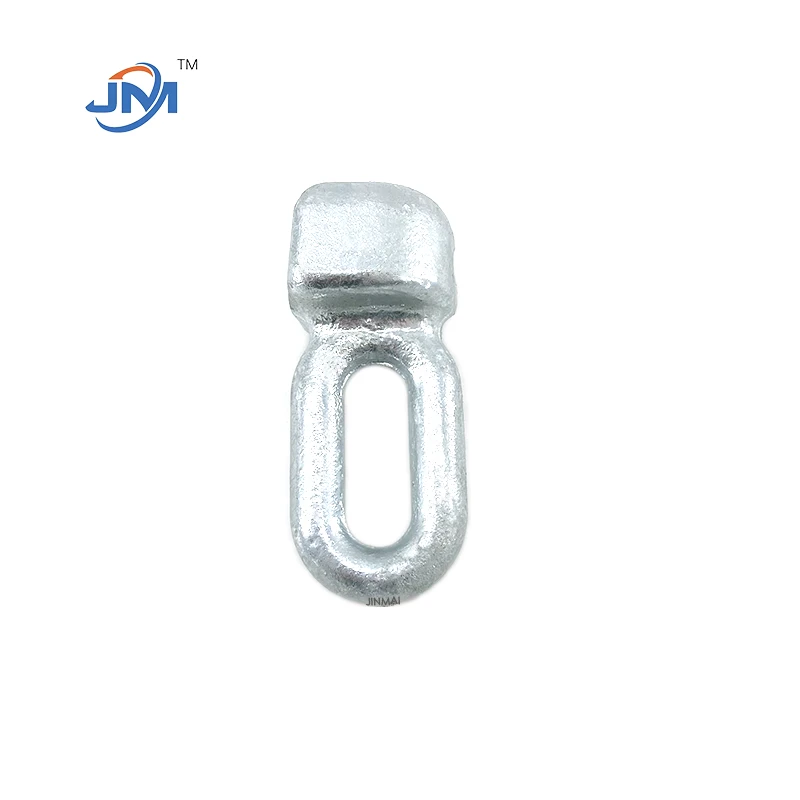
With advanced manufacturing techniques, steel flat arms can be produced with high precision. They can be designed to fit perfectly into the escalator's existing structure, ensuring seamless integration. Moreover, their flat shape allows for easy connection with other components, such as Power Fittings Socket Clevis, Hot Dip Galvanized U Type Shackle, and Eye Pull Plate Connecting Hardware. These connections can be made using bolts, rivets, or welding, depending on the specific requirements of the escalator design.
4. Potential Applications of Steel Flat Arms in Escalators
4.1 Step Support
Steel flat arms can be used to support the escalator steps. They can be attached to the step frame and the main structure of the escalator, providing a stable base for the steps. This helps to ensure that the steps remain level and secure during operation, reducing the risk of tripping or instability.
4.2 Drive System Connection
In the escalator's drive system, steel flat arms can be used to connect different components, such as the motor, gearbox, and chain drive. They can transmit the power from the motor to the steps, ensuring smooth and efficient operation. The high strength and precision of steel flat arms are crucial for maintaining the integrity of the drive system.
4.3 Handrail Support
The handrail is an important safety feature of escalators. Steel flat arms can be used to support the handrail guide system, ensuring that the handrail moves smoothly and remains in the correct position. This helps to prevent the handrail from slipping or becoming misaligned, which could pose a safety risk to passengers.
5. Quality Assurance and Testing
As a steel flat arms supplier, we understand the importance of quality assurance. Our products undergo a series of strict tests to ensure that they meet the requirements of escalator applications.
- Material Testing: We test the chemical composition and mechanical properties of the steel to ensure that it meets the specified standards. This includes tests for tensile strength, yield strength, elongation, and hardness.
- Dimensional Inspection: Using advanced measuring equipment, we check the dimensions of the steel flat arms to ensure that they are within the required tolerance. This ensures that they can be accurately installed in the escalator.
- Performance Testing: We also conduct performance tests, such as fatigue testing and corrosion testing, to simulate the actual operating conditions of escalators. This helps us to identify any potential issues and make improvements to our products.
6. Contact Us for Procurement
If you are involved in escalator manufacturing, maintenance, or renovation, and you are considering using steel flat arms in your projects, we would be more than happy to discuss your requirements. Our team of experts can provide you with detailed product information, technical support, and customized solutions. We are committed to providing high - quality steel flat arms that meet your specific needs. Contact us today to start the procurement process and take your escalator projects to the next level.
References
- "Escalator Design and Installation Standards", International Association of Elevator Engineers.
- "Steel Materials for Structural Applications", American Iron and Steel Institute.
- "Mechanical Engineering Handbook", McGraw - Hill Education.