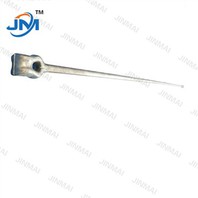
As a supplier of Bolt Wire Clamps, I often receive inquiries about the applicability of our products in various industries. One question that frequently arises is whether Bolt Wire Clamps can be used in railway signaling wiring. In this blog post, I will explore this topic in detail, examining the requirements of railway signaling systems, the features of Bolt Wire Clamps, and the potential benefits and challenges of using them in this context.
Requirements of Railway Signaling Wiring
Railway signaling systems are critical for ensuring the safety and efficiency of train operations. These systems rely on a complex network of electrical wiring to transmit signals, control switches, and monitor track conditions. As such, the wiring used in railway signaling must meet stringent requirements in terms of reliability, durability, and electrical performance.
Reliability
Reliability is of utmost importance in railway signaling wiring. Any failure in the wiring system can lead to signal malfunctions, which can have serious consequences for train safety. Therefore, the wiring must be able to withstand harsh environmental conditions, including extreme temperatures, humidity, vibration, and mechanical stress. It should also be resistant to corrosion and damage from chemicals and pollutants.
Durability
Durability is another key requirement for railway signaling wiring. The wiring must be able to last for a long time without significant degradation in performance. This means that it should be made from high-quality materials that are resistant to wear and tear. Additionally, the wiring should be designed to minimize the risk of damage during installation and maintenance.
Electrical Performance
The electrical performance of railway signaling wiring is also crucial. The wiring must be able to transmit signals accurately and efficiently over long distances without significant loss or interference. It should have low resistance, high insulation resistance, and good shielding properties to prevent electromagnetic interference (EMI) and radio frequency interference (RFI).
Features of Bolt Wire Clamps
Bolt Wire Clamps are a type of electrical connector that is used to secure wires and cables in place. They are typically made from metal or plastic and feature a bolt or screw mechanism that allows for easy installation and removal. Bolt Wire Clamps offer several features that make them suitable for a wide range of applications, including railway signaling wiring.
Secure Connection
One of the main advantages of Bolt Wire Clamps is their ability to provide a secure connection between wires and cables. The bolt or screw mechanism ensures that the wires are held tightly in place, preventing them from coming loose or moving around. This helps to maintain a stable electrical connection and reduces the risk of signal loss or interference.
Easy Installation
Bolt Wire Clamps are relatively easy to install, even in tight spaces. They can be installed using basic hand tools, such as a wrench or screwdriver. This makes them a convenient option for railway signaling wiring, where quick and easy installation is often required.
Versatility
Bolt Wire Clamps are available in a variety of sizes and configurations to accommodate different types of wires and cables. They can be used to connect single or multiple wires, and they can be used in both indoor and outdoor applications. This versatility makes them a suitable choice for railway signaling wiring, which may involve a variety of wire sizes and types.
Durability
Bolt Wire Clamps are typically made from high-quality materials that are resistant to corrosion and damage. They are designed to withstand harsh environmental conditions, including extreme temperatures, humidity, and vibration. This makes them a durable option for railway signaling wiring, which must be able to last for a long time without significant degradation in performance.
Potential Benefits of Using Bolt Wire Clamps in Railway Signaling Wiring
There are several potential benefits of using Bolt Wire Clamps in railway signaling wiring. These benefits include:
Improved Reliability
By providing a secure connection between wires and cables, Bolt Wire Clamps can help to improve the reliability of railway signaling systems. This reduces the risk of signal malfunctions and ensures that trains can operate safely and efficiently.
Enhanced Durability
The durability of Bolt Wire Clamps makes them a suitable choice for railway signaling wiring, which must be able to withstand harsh environmental conditions. By using Bolt Wire Clamps, railway operators can reduce the need for frequent maintenance and replacement of wiring components, which can save time and money in the long run.
Easier Installation and Maintenance
The easy installation and removal of Bolt Wire Clamps make them a convenient option for railway signaling wiring. This can help to reduce installation time and costs, and it can also make it easier to perform maintenance and repairs on the wiring system.
Compatibility with Existing Systems
Bolt Wire Clamps are available in a variety of sizes and configurations, which makes them compatible with existing railway signaling systems. This means that railway operators can use Bolt Wire Clamps to upgrade or replace existing wiring components without having to make significant changes to the overall system.
Potential Challenges of Using Bolt Wire Clamps in Railway Signaling Wiring
While there are several potential benefits of using Bolt Wire Clamps in railway signaling wiring, there are also some potential challenges that need to be considered. These challenges include:
Electrical Performance
The electrical performance of Bolt Wire Clamps may not be as good as that of some other types of electrical connectors. This is because the bolt or screw mechanism can introduce some resistance and capacitance into the electrical circuit, which can affect the signal transmission. Therefore, it is important to carefully evaluate the electrical performance of Bolt Wire Clamps before using them in railway signaling wiring.
Environmental Conditions
Although Bolt Wire Clamps are designed to withstand harsh environmental conditions, they may still be affected by extreme temperatures, humidity, and vibration. In some cases, these environmental conditions can cause the bolt or screw mechanism to loosen or corrode, which can lead to a loss of connection or a decrease in electrical performance. Therefore, it is important to choose Bolt Wire Clamps that are specifically designed for use in railway signaling applications and that are able to withstand the environmental conditions of the installation site.
Compatibility with Other Components
Bolt Wire Clamps may not be compatible with all types of wires, cables, and other components used in railway signaling systems. Therefore, it is important to ensure that the Bolt Wire Clamps are compatible with the specific wiring and components that will be used in the installation. This may require some testing and evaluation to ensure that the electrical performance and mechanical properties of the components are compatible.


Conclusion
In conclusion, Bolt Wire Clamps can be used in railway signaling wiring, but it is important to carefully evaluate their suitability for the specific application. While Bolt Wire Clamps offer several advantages, such as secure connection, easy installation, versatility, and durability, they also have some potential challenges, such as electrical performance, environmental conditions, and compatibility with other components. Therefore, it is important to work with a knowledgeable supplier who can provide guidance and support in selecting the right Bolt Wire Clamps for the railway signaling application.
If you are interested in learning more about our Bolt Wire Clamps or other related products like Hook for Power Fittings, Power Supply Fittings, and NXJG Wire Clamp, please feel free to contact us. We would be happy to discuss your specific requirements and provide you with a customized solution.
References
- Railway Signaling Handbook, various editions.
- Electrical Connector Standards and Guidelines, industry - specific publications.
- Research papers on the use of electrical connectors in harsh environments.