In the realm of network infrastructure, cable components play a pivotal role in ensuring seamless communication and data transfer. As a seasoned cable components supplier, I've witnessed firsthand the intricate workings of these essential elements and their impact on network performance. In this blog post, I'll delve into the inner workings of cable components and shed light on their significance in modern network setups.
The Basics of Cable Components
At the heart of any network infrastructure are the cables themselves. These cables serve as the physical medium through which data travels, connecting various devices such as computers, servers, routers, and switches. However, cables alone are not enough to create a functional network. They require a range of supporting components to ensure proper installation, connectivity, and performance.
One of the most fundamental cable components is the connector. Connectors are used to terminate the ends of cables, allowing them to be easily plugged into devices or other cables. There are several types of connectors available, each designed for specific applications and cable types. For example, Ethernet cables typically use RJ45 connectors, while fiber optic cables use connectors such as LC, SC, or ST.
Another important cable component is the cable management system. Cable management systems are used to organize and route cables, preventing them from becoming tangled or damaged. They can include cable trays, racks, and conduits, as well as cable ties and labels for identification. Proper cable management not only improves the aesthetics of a network installation but also makes it easier to troubleshoot and maintain the network.


How Cable Components Work Together
Cable components work together in a coordinated manner to create a reliable and efficient network infrastructure. Let's take a closer look at how some of the key components interact:
- Cables and Connectors: As mentioned earlier, connectors are used to terminate the ends of cables. When a cable is plugged into a device or another cable using a connector, it creates an electrical or optical connection that allows data to flow. The quality of the connector and the cable termination process can have a significant impact on the performance of the network. A poorly terminated cable or a low-quality connector can result in signal loss, interference, or even complete network failure.
- Cable Management Systems and Cables: Cable management systems help to keep cables organized and protected. By routing cables through cable trays, racks, and conduits, they prevent cables from being damaged by physical stress or environmental factors. Additionally, cable management systems make it easier to access and replace cables when necessary, reducing downtime and maintenance costs.
- Network Devices and Cables: Network devices such as routers, switches, and servers rely on cables to communicate with each other and with end-user devices. The type and quality of the cables used can affect the speed and reliability of the network. For example, a high-speed Ethernet network may require the use of Category 6 or Category 6a cables to support gigabit or 10-gigabit speeds. Similarly, fiber optic cables are often used in long-distance or high-bandwidth applications due to their ability to transmit data over longer distances without significant signal loss.
The Importance of Quality Cable Components
When it comes to network infrastructure, the quality of the cable components used can make a big difference in the performance and reliability of the network. Using low-quality or substandard cable components can result in a range of issues, including:
- Signal Loss: Poor-quality cables or connectors can cause signal loss, which can lead to slower network speeds, dropped connections, and data errors.
- Interference: Low-quality cables may be more susceptible to electromagnetic interference (EMI) and radio frequency interference (RFI), which can disrupt the flow of data and cause network problems.
- Short Lifespan: Substandard cable components may have a shorter lifespan than high-quality components, requiring more frequent replacement and increasing maintenance costs.
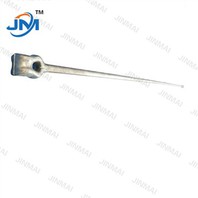
To ensure the best performance and reliability of your network infrastructure, it's important to choose high-quality cable components from a reputable supplier. At our company, we offer a wide range of cable components that are designed to meet the highest standards of quality and performance. Our products include Hardware Pole Line Hook, Pigtail Hook Bolts, and Pig tail ball head, among others.
Conclusion
In conclusion, cable components are essential for the proper functioning of any network infrastructure. They work together to create a reliable and efficient network that can support the growing demands of modern businesses and organizations. By understanding how cable components work and choosing high-quality products from a reputable supplier, you can ensure the best performance and reliability of your network.
If you're interested in learning more about our cable components or would like to discuss your specific network infrastructure needs, please don't hesitate to contact us. Our team of experts is always available to provide you with the information and support you need to make informed decisions about your network. We look forward to working with you to create a network infrastructure that meets your needs and exceeds your expectations.
References
- Cisco Systems. (2021). Network Cabling Basics. Retrieved from https://www.cisco.com/c/en/us/support/docs/lan-switching/ethernet/10553-14.html
- Belden. (2021). Understanding Cable Management. Retrieved from https://www.belden.com/blog/understanding-cable-management
- Panduit. (2021). The Importance of Quality Cabling in Network Performance. Retrieved from https://www.panduit.com/en/resources/whitepapers/importance-of-quality-cabling-in-network-performance.html