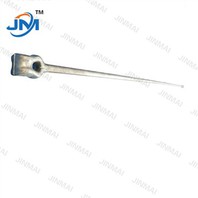
Hey there! If you're working on a project that requires a pigtail eye bolt, you're in the right place. I'm a supplier of these nifty little things, and I've seen my fair share of projects go wrong because the wrong pigtail eye bolt was chosen. So, I thought I'd share some tips on how to pick the right one for your project.
Understanding Pigtail Eye Bolts
First things first, let's talk about what a pigtail eye bolt is. It's a type of bolt that has a loop or "eye" at one end and a threaded shank at the other. The pigtail part usually refers to a small, curved or coiled section near the eye, which can serve various purposes like providing a bit of flexibility or making it easier to attach certain types of cables or fixtures.
These bolts are used in a wide range of applications, from construction and industrial settings to DIY projects around the house. They're great for hanging things, securing cables, or providing an anchor point.
Consider the Load Capacity
One of the most important factors to consider when choosing a pigtail eye bolt is its load capacity. This is the maximum amount of weight or force that the bolt can safely handle. You don't want to use a bolt that's too weak for your project, as it could break and cause serious damage or injury.
To determine the load capacity you need, think about what you'll be hanging or attaching to the bolt. If it's a light - weight object like a small plant hanger, a bolt with a lower load capacity might be sufficient. But if you're dealing with heavy machinery or a large sign, you'll need a bolt that can handle a much higher load.
Check the manufacturer's specifications for the load capacity of each bolt. It's usually listed in pounds or kilograms. Make sure to account for any dynamic loads (like wind or vibration) in addition to the static weight of the object.
Material Matters
Pigtail eye bolts come in different materials, and each has its own pros and cons. The most common materials are steel, stainless steel, and galvanized steel.
- Steel: Regular steel bolts are strong and relatively inexpensive. They're a good choice for indoor projects where the bolt won't be exposed to moisture or harsh chemicals. However, they can rust over time if not properly protected.
- Stainless Steel: Stainless steel bolts are corrosion - resistant, making them ideal for outdoor projects or environments where there's a lot of moisture. They're more expensive than regular steel, but they'll last much longer.
- Galvanized Steel: Galvanized steel bolts are coated with a layer of zinc to prevent rust. They're a good middle - ground between regular steel and stainless steel in terms of cost and durability. They work well in most outdoor applications, but they may not be as corrosion - resistant as stainless steel in extremely harsh conditions.
Size and Thread
The size of the pigtail eye bolt is another crucial factor. You need to make sure the bolt fits the hole or fixture where you'll be installing it. Measure the diameter of the hole and the length of the shank you need. The diameter is usually measured in inches or millimeters.
The thread of the bolt is also important. There are different thread types, such as coarse and fine threads. Coarse threads are stronger and are better for applications where the bolt needs to be tightened quickly. Fine threads, on the other hand, provide a more precise fit and are often used in applications where a tighter connection is required.
Type of Eye
Pigtail eye bolts can have different types of eyes. The most common ones are the standard eye and the shoulder eye.
- Standard Eye: A standard eye bolt has a simple loop at the end. It's suitable for most general - purpose applications where the load is applied straight down.
- Shoulder Eye: A shoulder eye bolt has a raised shoulder near the eye. This design is better for applications where the load is applied at an angle. The shoulder helps to prevent the bolt from bending or shearing off.
Compatibility with Other Components
Think about what other components you'll be using with the pigtail eye bolt. For example, if you're using it to attach a cable, make sure the size and shape of the eye are compatible with the cable or the cable connector.
If you're looking for related components, check out our Cable Pole Hook, Pigtail Hook Bolts, and Hardware Pole Line Hook. These can work in conjunction with your pigtail eye bolt to create a more secure and functional setup.
Installation Requirements
Before you choose a pigtail eye bolt, consider the installation requirements. Some bolts require special tools or techniques to install. For example, some may need to be welded in place, while others can be simply screwed into a pre - drilled hole.
Make sure you have the necessary tools and skills to install the bolt properly. If you're not sure, it's always a good idea to consult a professional.


Cost
Cost is always a factor when choosing any product. While you don't want to skimp on quality, you also don't want to overspend. Compare the prices of different pigtail eye bolts based on their size, material, and load capacity. Look for a bolt that offers the best value for your money.
Quality and Brand Reputation
Buying from a reputable brand is important. A well - known brand is more likely to produce high - quality pigtail eye bolts that meet industry standards. Read reviews from other customers to get an idea of the quality of the bolts and the customer service provided by the supplier.
Conclusion
Choosing the right pigtail eye bolt for your project doesn't have to be a headache. By considering factors like load capacity, material, size, type of eye, compatibility, installation requirements, cost, and brand reputation, you can make an informed decision.
If you're still not sure which pigtail eye bolt is right for you, don't hesitate to reach out. As a supplier, I'm here to help you find the perfect bolt for your project. Whether you're a professional contractor or a DIY enthusiast, we've got the products and expertise to meet your needs. Contact us to start the procurement process and let's get your project off to a great start!
References
- "Fasteners Handbook" by ABC Publishing
- Industry standards and guidelines for pigtail eye bolts