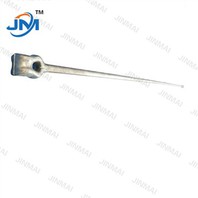
Maintaining a steel cross arm is crucial for ensuring its long - term performance and safety, especially when it comes to applications in power transmission and distribution systems. As a steel cross arm supplier, I understand the importance of providing customers with comprehensive knowledge on how to properly maintain these essential components. In this blog, I will share some effective maintenance strategies for steel cross arms.
1. Regular Inspection
The first step in maintaining a steel cross arm is regular inspection. Visual inspections should be carried out at least once a year, but more frequent inspections may be required in harsh environments. During the inspection, look for signs of corrosion, deformation, and loose connections.
Corrosion
Corrosion is one of the most common problems that can affect steel cross arms. Rust can weaken the structure, reducing its load - bearing capacity. Check for areas where the protective coating has been damaged, such as scratches or dents. These areas are more prone to corrosion. If you notice any signs of rust, it is important to address it immediately. Small areas of corrosion can be treated by removing the rust with a wire brush and then applying a rust - inhibiting primer and a topcoat of paint.
Deformation
Deformation can occur due to excessive loads, high winds, or improper installation. Inspect the cross arm for any signs of bending, twisting, or warping. If deformation is detected, it may be necessary to replace the cross arm to ensure the safety of the entire system. Pay special attention to the connection points between the cross arm and the poles or other components. Loose or damaged connections can lead to further deformation and pose a significant safety risk.
Loose Connections
Check all bolts, nuts, and other fasteners for tightness. Loose connections can cause the cross arm to shift or vibrate, which can lead to accelerated wear and tear. Use a torque wrench to ensure that all fasteners are tightened to the manufacturer's specifications. If any fasteners are missing or damaged, replace them immediately.
2. Cleaning
Regular cleaning can help prevent the build - up of dirt, debris, and pollutants on the steel cross arm. Dirt and debris can trap moisture, which can accelerate corrosion. Use a mild detergent and water to clean the cross arm. Avoid using abrasive cleaners or tools that can damage the protective coating. After cleaning, rinse the cross arm thoroughly with clean water and allow it to dry completely.
3. Protective Coating Maintenance
The protective coating on the steel cross arm plays a crucial role in preventing corrosion. Over time, the coating may wear off due to environmental factors such as UV radiation, moisture, and abrasion. Inspect the coating regularly for signs of peeling, cracking, or blistering. If the coating is damaged, it should be repaired or reapplied.
Touch - up Painting
For small areas of coating damage, touch - up painting can be an effective solution. Clean the damaged area, remove any loose paint or rust, and then apply a matching primer and topcoat. Make sure to follow the manufacturer's instructions for proper application.
Full Coating Replacement
In cases where the coating has deteriorated significantly over a large area, a full coating replacement may be necessary. This involves stripping the old coating, preparing the surface, and applying a new protective coating. The type of coating used will depend on the specific application and environmental conditions. Common coatings include epoxy, polyurethane, and zinc - rich paints.
4. Component Replacement
Steel cross arms often work in conjunction with other components such as Triple Eye Anchor Rod, Hot Dip Galvanizing Single And Double Upset Spool Bolt, and Hot Dip Galvanized Three Bolt Wire Clamp. These components also need to be inspected regularly and replaced if necessary.
Anchor Rods
Anchor rods are used to secure the cross arm to the pole. Check for signs of corrosion, bending, or damage to the anchor rods. If an anchor rod is damaged, it should be replaced immediately to ensure the stability of the cross arm.
Bolts and Clamps
Bolts and clamps are essential for holding the cross arm and other components together. Inspect them for tightness, corrosion, and wear. Replace any bolts or clamps that are damaged or worn out.
5. Environmental Considerations
The environment in which the steel cross arm is installed can have a significant impact on its maintenance requirements. In coastal areas, where the air is salty, corrosion can occur more rapidly. In industrial areas, pollutants and chemicals in the air can also accelerate corrosion. In these environments, more frequent inspections and maintenance may be required. Additionally, high - humidity environments can increase the risk of corrosion, so it is important to ensure that the cross arm has proper drainage and ventilation to prevent the accumulation of moisture.
6. Documentation
Maintaining detailed documentation of all inspections, maintenance activities, and repairs is essential. This documentation can help track the history of the cross arm, identify recurring problems, and plan for future maintenance. Record the date of each inspection, the findings, and any actions taken. Include information such as the type of paint used, the torque values of fasteners, and the replacement of components. This documentation can also be useful for compliance purposes and for providing evidence of proper maintenance in case of an accident or inspection.
7. Training
Proper training of maintenance personnel is crucial for effective steel cross arm maintenance. Maintenance personnel should be familiar with the inspection procedures, cleaning methods, and repair techniques. They should also be aware of the safety precautions associated with working on electrical systems. Provide regular training sessions to ensure that all maintenance personnel are up - to - date with the latest best practices.
Conclusion
Maintaining a steel cross arm is a multi - faceted process that requires regular inspection, cleaning, protective coating maintenance, component replacement, and environmental considerations. By following these maintenance strategies, you can extend the lifespan of the cross arm, ensure the safety of the power transmission and distribution systems, and reduce the overall cost of maintenance. As a steel cross arm supplier, I am committed to providing high - quality products and comprehensive support to our customers. If you have any questions or need further information on steel cross arm maintenance, or if you are interested in purchasing our products, please feel free to contact us for procurement discussions.


References
- ASTM International. (2023). ASTM standards related to steel structures and coatings.
- National Electrical Safety Code (NESC). (2023). Safety requirements for electrical power transmission and distribution systems.
- Manufacturer's installation and maintenance manuals for steel cross arms and related components.