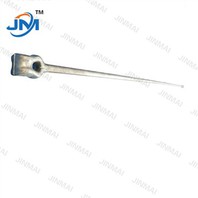
When it comes to electrical power fittings, the bolt wire clamp is a crucial component used in various applications. As a supplier of bolt wire clamps, I often receive inquiries about how to remove these clamps properly. In this blog post, I will share a detailed guide on how to remove a bolt wire clamp, along with some insights into related electrical power fittings.
Understanding the Bolt Wire Clamp
Before we delve into the removal process, it's essential to understand what a bolt wire clamp is and its functions. A bolt wire clamp is a type of fitting used to secure wires in place. It typically consists of two metal plates that are bolted together, sandwiching the wire between them. This design provides a secure and reliable connection, preventing the wire from moving or coming loose.

Bolt wire clamps are commonly used in electrical power systems, telecommunications networks, and other applications where wire management is essential. They are designed to withstand various environmental conditions, including high temperatures, humidity, and mechanical stress.
Tools Required for Removal
To remove a bolt wire clamp, you will need the following tools:
- Socket Wrench or Spanner: This tool is used to loosen the bolts that hold the clamp together. Make sure you have the correct size socket or spanner for the bolts on your clamp.
- Pliers: Pliers can be used to grip and hold the wire while you remove the clamp. They can also be used to bend or straighten the wire if necessary.
- Safety Gloves and Goggles: Safety should always be your top priority when working with electrical equipment. Wear safety gloves and goggles to protect your hands and eyes from any potential hazards.
Step-by-Step Guide to Removing a Bolt Wire Clamp
Now that you have the necessary tools, let's walk through the step-by-step process of removing a bolt wire clamp:
Step 1: Turn Off the Power
Before you begin any work on electrical equipment, it's crucial to turn off the power to the circuit. This will prevent any electrical shocks or accidents from occurring. Locate the circuit breaker or fuse box that controls the power to the area where the bolt wire clamp is installed and switch it off.
Step 2: Inspect the Clamp
Once the power is off, carefully inspect the bolt wire clamp to determine its condition. Look for any signs of damage, such as corrosion, cracks, or loose bolts. If you notice any damage, it's recommended to replace the clamp to ensure a safe and reliable connection.

Step 3: Loosen the Bolts
Using the socket wrench or spanner, loosen the bolts that hold the clamp together. Turn the bolts counterclockwise until they are loose enough to remove by hand. Be careful not to overtighten or damage the bolts during this process.
Step 4: Remove the Clamp
Once the bolts are loose, carefully remove the clamp from the wire. You may need to use pliers to grip and hold the wire while you remove the clamp. Be gentle to avoid damaging the wire.
Step 5: Inspect the Wire
After removing the clamp, inspect the wire for any signs of damage or wear. Look for any cuts, abrasions, or frayed strands. If you notice any damage, it's recommended to repair or replace the wire before reinstalling the clamp.
Step 6: Clean the Wire and Clamp
Before reinstalling the clamp, clean the wire and the clamp to remove any dirt, debris, or corrosion. You can use a wire brush or sandpaper to clean the surfaces. Make sure the surfaces are dry before proceeding.
Step 7: Reinstall the Clamp (Optional)
If you need to reinstall the clamp, follow the steps in reverse order. Place the clamp around the wire and tighten the bolts using the socket wrench or spanner. Make sure the bolts are tightened securely, but not overtightened.

Related Electrical Power Fittings
In addition to bolt wire clamps, there are several other electrical power fittings that are commonly used in electrical systems. Here are some examples:

- Thimble Eye Rods: Thimble eye rods are used to provide a secure connection between wires and other components. They are typically made of high-strength steel and are designed to withstand heavy loads.
- Parallel Groove Clamps: Parallel groove clamps are used to connect two or more wires together. They are designed to provide a low-resistance connection and are commonly used in overhead power lines.
- Electric Pole Cross Arm: Electric pole cross arms are used to support electrical wires on utility poles. They are typically made of wood, steel, or fiberglass and are designed to withstand various environmental conditions.
Conclusion
Removing a bolt wire clamp is a relatively simple process that can be completed with the right tools and knowledge. By following the steps outlined in this blog post, you can safely and effectively remove a bolt wire clamp from your electrical system. Remember to always prioritize safety and turn off the power before working on any electrical equipment.
If you have any questions or need further assistance with bolt wire clamps or other electrical power fittings, please feel free to contact us. We are a leading supplier of high-quality electrical power fittings and are committed to providing our customers with the best products and services. Whether you are a contractor, electrician, or DIY enthusiast, we have the expertise and products to meet your needs. Contact us today to discuss your requirements and start a procurement negotiation.
References
- Electrical Power Fittings Handbook
- National Electrical Code (NEC)
- IEEE Standards for Electrical Equipment