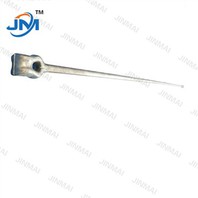
As a supplier of NXJG Wire Clamps, I am often asked about the hardness of these essential electrical components. Understanding the hardness of NXJG Wire Clamps is crucial for assessing their performance, durability, and suitability for various applications. In this blog post, I will delve into the concept of hardness in the context of NXJG Wire Clamps, exploring its significance, measurement methods, and factors that influence it.
What is Hardness?
Hardness is a fundamental material property that refers to a material's resistance to permanent deformation, such as indentation, scratching, or wear. In the case of NXJG Wire Clamps, hardness plays a vital role in ensuring their ability to securely hold electrical wires in place, withstand mechanical stresses, and resist corrosion over time. A wire clamp with appropriate hardness will maintain its shape and integrity under normal operating conditions, preventing wire slippage and ensuring reliable electrical connections.
Significance of Hardness in NXJG Wire Clamps
The hardness of NXJG Wire Clamps directly impacts their performance and longevity. Here are some key reasons why hardness is important:

- Mechanical Strength: A hard wire clamp can withstand higher mechanical forces without deforming or breaking. This is particularly important in applications where the wire clamp is subjected to vibration, tension, or impact, such as in overhead power lines or industrial machinery.
- Wire Grip: A properly hardened wire clamp provides a secure grip on the electrical wires, preventing them from slipping out of place. This is essential for maintaining a stable electrical connection and preventing short circuits or electrical failures.
- Corrosion Resistance: Hardness can also contribute to the corrosion resistance of NXJG Wire Clamps. A hard surface is less likely to be damaged by corrosive substances, such as moisture, chemicals, or salt, which can extend the lifespan of the wire clamp and reduce the need for frequent replacements.
- Wear Resistance: In applications where the wire clamp is subject to repeated use or movement, wear resistance is crucial. A hard wire clamp will resist abrasion and wear, ensuring that it maintains its performance and functionality over time.
Measuring the Hardness of NXJG Wire Clamps
There are several methods for measuring the hardness of materials, each with its own advantages and limitations. The most commonly used methods for measuring the hardness of NXJG Wire Clamps include:
- Rockwell Hardness Test: The Rockwell hardness test is a widely used method for measuring the hardness of metals and alloys. It involves applying a minor load followed by a major load to the surface of the material using a diamond or steel indenter. The depth of the indentation is then measured, and the hardness value is determined based on a standardized scale.
- Brinell Hardness Test: The Brinell hardness test is another popular method for measuring the hardness of metals. It involves pressing a hard steel or tungsten carbide ball into the surface of the material under a specified load for a certain period of time. The diameter of the indentation is then measured, and the hardness value is calculated using a formula.
- Vickers Hardness Test: The Vickers hardness test is a more precise method for measuring the hardness of materials, particularly those with a small grain size or a complex microstructure. It involves applying a diamond pyramid indenter to the surface of the material under a specified load for a certain period of time. The diagonal length of the indentation is then measured, and the hardness value is calculated using a formula.
Factors Affecting the Hardness of NXJG Wire Clamps
The hardness of NXJG Wire Clamps can be influenced by several factors, including:

- Material Composition: The type and composition of the material used to manufacture the wire clamp can have a significant impact on its hardness. Different metals and alloys have different inherent hardness properties, and the addition of alloying elements can further enhance or modify the hardness of the material.
- Heat Treatment: Heat treatment is a process used to alter the physical and mechanical properties of metals and alloys. By subjecting the wire clamp to specific heating and cooling cycles, it is possible to increase or decrease its hardness, depending on the desired application.
- Manufacturing Process: The manufacturing process used to produce the wire clamp can also affect its hardness. For example, processes such as forging, machining, and welding can introduce residual stresses and changes in the microstructure of the material, which can influence its hardness.
- Surface Finish: The surface finish of the wire clamp can also play a role in its hardness. A smooth, polished surface is generally harder and more resistant to wear than a rough or irregular surface.
Applications of NXJG Wire Clamps with Appropriate Hardness
NXJG Wire Clamps with appropriate hardness are suitable for a wide range of applications in the electrical and power industries. Some common applications include:

- Overhead Power Lines: NXJG Wire Clamps are used to secure electrical wires to transmission towers and poles in overhead power lines. The hardness of the wire clamp ensures that it can withstand the mechanical stresses and environmental conditions associated with this application, such as wind, ice, and vibration.
- Underground Power Cables: In underground power cable installations, NXJG Wire Clamps are used to connect and secure the cables to junction boxes, transformers, and other electrical equipment. The hardness of the wire clamp helps to prevent cable movement and ensures a reliable electrical connection.
- Industrial Machinery: NXJG Wire Clamps are also used in industrial machinery to secure electrical wires and cables to motors, generators, and other electrical components. The hardness of the wire clamp ensures that it can withstand the high mechanical forces and vibrations associated with industrial applications.
- Renewable Energy Systems: With the increasing popularity of renewable energy sources such as solar and wind power, NXJG Wire Clamps are being used in the installation and maintenance of these systems. The hardness of the wire clamp is important in ensuring the reliable operation of these systems, which are often exposed to harsh environmental conditions.
Related Products
In addition to NXJG Wire Clamps, we also offer a range of other electrical power fittings, including Bow type anchor rod, Stay Rod Thimbal, and Anchor Rod 3/4 X 8ft. These products are designed to work together with NXJG Wire Clamps to provide a complete solution for electrical power installations.
Conclusion
The hardness of NXJG Wire Clamps is a critical factor in determining their performance, durability, and suitability for various applications. By understanding the concept of hardness, its significance, measurement methods, and factors that influence it, you can make informed decisions when selecting NXJG Wire Clamps for your electrical projects. If you have any questions or need further information about NXJG Wire Clamps or our other electrical power fittings, please do not hesitate to contact us. We are always happy to assist you with your procurement needs and provide you with the best possible solutions for your electrical projects.

References
- ASM Handbook Volume 8: Mechanical Testing and Evaluation. ASM International, 2000.
- ASTM E18-19: Standard Test Methods for Rockwell Hardness and Rockwell Superficial Hardness of Metallic Materials. ASTM International, 2019.
- ASTM E10-18: Standard Test Method for Brinell Hardness of Metallic Materials. ASTM International, 2018.
- ASTM E92-17: Standard Test Method for Vickers Hardness of Metallic Materials. ASTM International, 2017.