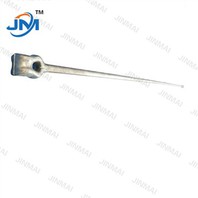
Hey there! As a supplier of galvanized cross arms, I've faced the challenge of transporting these large - scale items quite a few times. And let me tell you, it's not as simple as just throwing them on a truck and sending them off. In this blog, I'll share some of the ways we handle the transportation of a large number of galvanized cross arms.
First off, let's talk about why galvanized cross arms are so important. These things are crucial components in overhead power lines. They support the conductors and insulators, ensuring the safe and efficient transmission of electricity. Hot Dip Galvanized Overhead Line Hardware are often used in these setups, and our galvanized cross arms are an integral part of it.
Now, when it comes to transporting a large quantity of these cross arms, the first step is proper packaging. We can't just leave these cross arms exposed during transit. They need to be protected from scratches, dents, and other forms of damage. We usually wrap each cross arm with a layer of protective material, like a thick plastic film. This not only protects the galvanized coating but also prevents them from rubbing against each other during transportation.


After packaging, the next big thing is choosing the right transportation mode. There are a few options available, and each has its own pros and cons.
Road Transportation
Road transportation is probably the most common method for us. It's flexible and can reach almost anywhere. We use large trucks to carry the cross arms. But we have to be careful about the weight and size limits. Galvanized cross arms can be quite heavy, especially when you're transporting a large number of them. We need to make sure the truck we choose can handle the load.
Also, the size of the cross arms matters. Some cross arms are really long, and we need to ensure that they fit properly on the truck. Sometimes, we have to arrange them in a specific way to maximize the use of space. For example, we might stack them in a criss - cross pattern to make them more stable and use less space.
One of the advantages of road transportation is that it allows for door - to - door delivery. We can directly send the cross arms to our customers' sites, which is really convenient. However, it can be affected by traffic conditions. If there's a traffic jam or bad weather, the delivery time might be delayed.
Rail Transportation
Rail transportation is another option, especially when we need to transport a really large number of cross arms over long distances. Trains can carry a huge amount of cargo at once, which is great for us. It's also more environmentally friendly compared to road transportation.
But there are some drawbacks. Rail transportation usually requires a transfer point. We need to load the cross arms onto the train at a specific railway station and then unload them at the destination station. This might involve additional handling, which increases the risk of damage. Also, the railway stations might not be very close to our customers' sites, so we might need to use road transportation for the last - mile delivery.
Sea Transportation
If our customers are located overseas, sea transportation is the way to go. We can use shipping containers to transport the cross arms. Shipping containers are designed to protect the cargo during long - distance sea voyages. They are weather - resistant and can keep the cross arms safe from saltwater and other elements.
However, sea transportation takes a long time. It can take weeks or even months for the cross arms to reach their destination. And there are also customs clearance procedures that we need to go through, which can be time - consuming and complicated.
Now, let's talk about safety during transportation. We take safety very seriously. We make sure that the cross arms are properly secured on the vehicle or in the container. We use straps and ropes to tie them down, so they won't move around during transit.
We also need to follow all the relevant safety regulations. For example, when using road transportation, we need to comply with the weight and size limits set by the local authorities. If we don't, we might face fines or other penalties.
In addition to the physical safety of the cross arms, we also need to consider the safety of the transportation personnel. They need to be trained properly on how to handle the cross arms and operate the transportation vehicles.
Another important aspect is the cost. Transportation costs can be a significant part of our overall expenses. We need to find a balance between the cost and the quality of transportation. Sometimes, choosing a cheaper transportation mode might result in a higher risk of damage, which can cost us more in the long run. So, we need to carefully evaluate all the options and choose the one that offers the best value for money.
When it comes to Overhead Pole Line Hardware like our galvanized cross arms, proper transportation is crucial to ensure that they reach our customers in good condition. Our Steel Angle Cross Arm is a high - quality product, and we want our customers to receive it in the best possible state.
If you're in the market for galvanized cross arms or other overhead line hardware, we'd love to hear from you. We can offer you high - quality products and reliable transportation services. Whether you need a small quantity or a large number of cross arms, we can handle it. So, don't hesitate to reach out to us for a quote and start a procurement discussion.
References
- General knowledge and experience in the galvanized cross arm supply and transportation industry.
- Industry - related safety and transportation regulations.