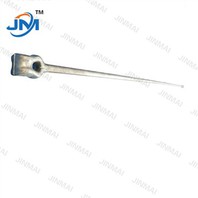
Alright, folks! As a supplier of pole line hardware, I know firsthand how crucial it is to choose the right stuff for your electrical infrastructure projects. It can make or break your system in terms of functionality, safety, and long - term durability. So, in this blog, I'm gonna walk you through some key considerations to help you make the right choice.
1. Understand Your Project Requirements
The very first step is to have a clear understanding of what your project demands. Is it for a small local distribution line or a large - scale transmission network? Different projects have different needs when it comes to pole line hardware.
For smaller projects, you might not need the heavy - duty stuff. For example, if it's just for a residential area with relatively low voltage lines, lighter hardware can do the job. But for high - voltage transmission lines, you'll need hardware that can withstand extreme electrical and mechanical stresses. You've got to figure out the type of poles you'll be using too. Are they wooden, concrete, or steel? Each material has different characteristics, and the hardware you choose should be compatible with it.
2. Quality and Durability
Quality is non - negotiable when it comes to pole line hardware. You don't want to invest in something that's gonna break down after a few years or, even worse, put your electrical system at risk. Always look for hardware that is made from high - quality materials.
Most of the time, metal is the go - to material for pole line hardware, and one of the best ways to ensure its durability is through hot - dip galvanization. This process coats the metal with a layer of zinc, protecting it from rust and corrosion. For example, our Hot DIP Galvanized Cross Arm Connector is a great example. The hot - dip galvanization not only makes it resistant to the elements but also extends its lifespan, saving you money in the long run.
Another aspect of durability is the strength of the hardware. It should be able to handle the loads and forces it will be subjected to. Things like wind forces, ice accumulation, and the weight of the electrical conductors are all factors to consider. Make sure the hardware is tested to meet industry standards for strength and safety.
3. Electrical Performance
Since we're dealing with electrical systems, the electrical performance of the hardware is key. The hardware shouldn't cause any unnecessary losses or interruptions in the flow of electricity.
Insulators are a prime example. Good insulators prevent electrical leakage and ensure that the electricity stays where it's supposed to. They need to have high dielectric strength and be able to withstand the voltage levels of the electrical system.
Also, the connectors in your pole line hardware need to provide a low - resistance connection. Poor connections can lead to power losses, overheating, and even electrical fires. That's why our Electric Power Pole Clamp is designed to make a solid and reliable connection to minimize these risks.
4. Compatibility
Everything in your pole line system should work together seamlessly. The hardware components need to be compatible with each other in terms of size, shape, and function.
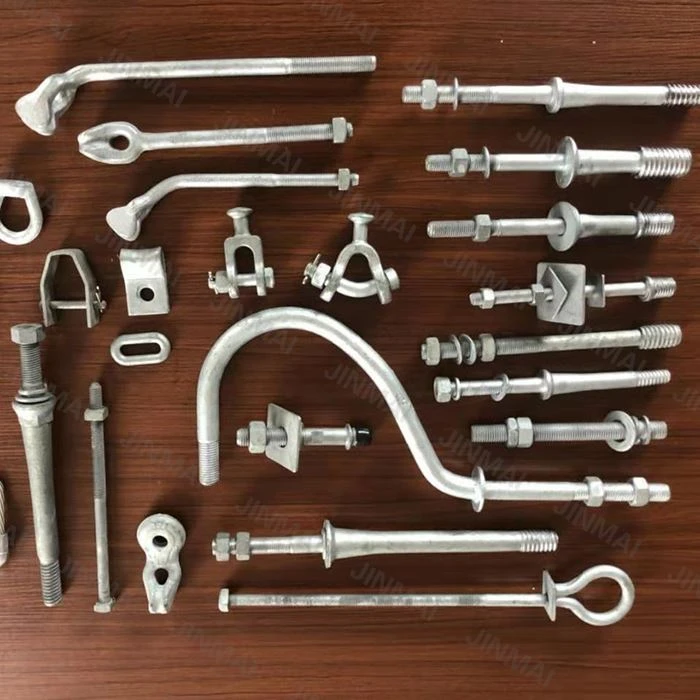
For instance, when you're choosing cross - arms, they need to fit properly onto the poles. And the insulators, conductors, and clamps should all be designed to work together without any issues. Incompatible hardware can lead to installation problems, increased maintenance, and a higher risk of system failure. Our Line Iron Parts are made with careful consideration of compatibility, ensuring that they integrate smoothly into your existing or new pole line systems.
5. Cost - Effectiveness
I get it, cost is a major factor in any project. But you shouldn't cut corners just to save a few bucks. The cheaper option might end up costing you more in the long run due to frequent replacements and maintenance.
Look for hardware that offers a good balance between price and quality. Sometimes, a slightly more expensive piece of hardware can be a better investment because it lasts longer and performs better. Also, consider the total cost of ownership, which includes not only the purchase price but also installation, maintenance, and replacement costs over the life of the hardware.
6. Ease of Installation
Let's face it, no one wants a headache during installation. Choose pole line hardware that is easy to install. The less time it takes to install, the less labor cost you'll incur.
Hardware with simple designs and clear installation instructions can make the process a breeze. Some products come with pre - drilled holes or unique features that make alignment and attachment much easier. This can also reduce the chances of errors during installation, which could potentially lead to problems down the road.
7. Supplier Reputation
The supplier you buy from matters a lot. A reputable supplier will have a track record of providing high - quality products and good customer service. They'll also be able to offer technical support if you have any questions about the hardware or installation.
Do some research on the supplier. Check online reviews, ask for references, and find out if they have experience in the industry. A supplier like us, with years of experience in the pole line hardware business, knows what it takes to meet your needs. We've got a wide range of products, and we're always ready to help you choose the right ones for your project.
Making the Decision
Once you've considered all these factors, it's time to make a decision. Don't rush into it. Take your time to evaluate different options based on your specific needs. You can also consult with industry experts or other professionals in the field to get their insights.
Remember, choosing the right pole line hardware is an investment in the reliability and safety of your electrical system. Whether it's for a small project or a large - scale infrastructure build, getting it right from the start can save you a lot of headaches in the long term.
If you're interested in finding the perfect pole line hardware for your project or have any questions, feel free to reach out. We're here to assist you every step of the way. Let's work together to ensure that your electrical system is up and running smoothly with the right hardware.

References
- General knowledge of the electrical infrastructure industry and pole line hardware components.
- Industry standards and guidelines for pole line hardware manufacturing and installation.