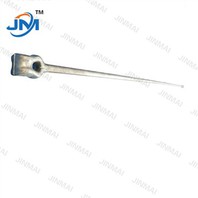
Insulator spindles play a crucial role in battery systems, ensuring electrical isolation and mechanical stability. As a trusted insulator spindle supplier, we understand the significance of proper installation for the optimal performance and safety of these systems. In this blog, we will explore the installation requirements for an insulator spindle in a battery system.
1. Physical Environment Assessment
Before installing an insulator spindle, a thorough assessment of the physical environment where the battery system will operate is necessary. This includes factors such as temperature, humidity, and vibration.
- Temperature: Battery systems can generate a significant amount of heat during operation. The insulator spindle must be able to withstand the expected temperature range. For example, if the battery system is installed in a high - temperature environment, like a power station in a hot climate, an insulator spindle made from materials with high thermal resistance should be selected. Our Pole Top Pins Spindle is designed to handle a wide range of temperatures, ensuring stable performance even in extreme conditions.
- Humidity: High humidity can cause moisture to accumulate on the surface of the insulator spindle, potentially leading to electrical leakage or corrosion. In humid environments, it is essential to choose an insulator spindle with proper moisture - resistant coatings. Our POLE TOP spindles are treated with specialized coatings to prevent the negative effects of humidity.
- Vibration: In some battery systems, especially those in mobile applications or industrial settings with machinery, vibration can occur. The insulator spindle must be securely installed to withstand these vibrations without loosening or breaking. Mounting brackets and fasteners should be carefully selected and installed to ensure a rigid connection.
2. Surface Preparation
Proper surface preparation is vital for a successful installation.


- Cleanliness: The surface where the insulator spindle will be mounted must be clean and free of any debris, dirt, or grease. These contaminants can reduce the adhesion between the spindle and the mounting surface and may also affect the electrical properties of the insulator. A degreaser or a cleaning agent can be used to clean the surface thoroughly.
- Flatness and Smoothness: The mounting surface should be flat and smooth. Any irregularities can cause uneven stress on the insulator spindle, which may lead to premature failure. If necessary, the surface can be machined or ground to achieve the required flatness and smoothness.
3. Electrical Requirements
Insulator spindles are used to provide electrical isolation in battery systems, so several electrical requirements must be met during installation.
- Insulation Resistance: The insulator spindle must have a high insulation resistance to prevent electrical current from flowing through it. Before installation, the insulation resistance of the spindle should be tested using appropriate insulation testers. The value of the insulation resistance should meet or exceed the requirements specified by the battery system manufacturer.
- Dielectric Strength: Dielectric strength is the ability of an insulator to withstand high - voltage without breaking down. The insulator spindle should be selected based on the maximum voltage that the battery system will operate at. Our Hardware Galvanized Pole Top Pin Spindle is designed with high dielectric strength to provide reliable electrical insulation.
- Grounding: In some cases, proper grounding of the battery system and the insulator spindle is necessary. Grounding helps to protect the system from electrical surges and provides a safe path for electrical current in case of a fault. The grounding connection should be made according to the relevant electrical codes and standards.
4. Installation Tools and Procedures
Using the correct installation tools and following the proper procedures is key to a successful installation.
- Tools: The installation of an insulator spindle typically requires tools such as wrenches, screwdrivers, and torque wrenches. Torque wrenches are especially important as they ensure that the fasteners are tightened to the correct torque specification. Over - tightening can damage the spindle, while under - tightening can lead to a loose connection.
- Installation Steps:
- Position the insulator spindle carefully on the prepared mounting surface.
- Insert the fasteners (bolts or screws) through the holes in the spindle and into the mounting surface.
- Use a torque wrench to tighten the fasteners to the specified torque value. This value is usually provided in the product manual.
- Check the alignment of the insulator spindle to ensure that it is installed straight and perpendicular to the mounting surface.
5. Quality Control and Testing
After installation, quality control and testing should be carried out to ensure that the insulator spindle is installed correctly and is functioning as expected.
- Visual Inspection: A visual inspection should be conducted to check for any obvious signs of damage, such as cracks, chips, or improper installation.
- Electrical Testing: Electrical tests, including insulation resistance tests and dielectric strength tests, should be repeated after installation to verify that the insulator spindle is still providing the required electrical isolation.
6. Documentation
It is important to maintain proper documentation for the installation.
- Installation Records: Records should include details such as the date of installation, the location of installation, the type of insulator spindle used, the test results before and after installation, and any special notes or procedures followed. These records are valuable for future maintenance, troubleshooting, and compliance with safety and quality standards.
7. Maintenance Considerations
Regular maintenance of the insulator spindle is necessary to ensure its long - term performance.
- Inspection: Periodic inspections should be carried out to check for any signs of wear, damage, or change in electrical properties. Any issues found during the inspection should be addressed immediately.
- Cleaning: The insulator spindle should be cleaned regularly to remove any accumulated dirt or contaminants. A soft brush or a dry cloth can be used for cleaning.
- Replacement: If the insulator spindle shows signs of significant wear or damage, it should be replaced promptly to avoid any potential safety hazards or system failures.
As an experienced insulator spindle supplier, we are committed to providing high - quality products and technical support. Our team of experts can assist you with any questions regarding installation requirements, product selection, or maintenance. If you are looking for reliable insulator spindles for your battery system and need more detailed information or wish to discuss a potential purchase, we welcome you to reach out for a procurement negotiation. We are confident that our products and services will meet your needs and contribute to the success of your battery system.
References
- "Electrical Insulation Handbook", Industry Publication
- Battery System Manufacturer's Installation Guides