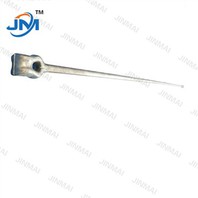
As a reputable supplier of insulator spindles, I understand the critical role these components play in electrical systems. Insulator spindles are designed to support and insulate electrical conductors, ensuring the safe and efficient transmission of power. Over time, however, these spindles can accumulate dirt, grime, and other contaminants that can compromise their performance. In this blog post, I will share some expert tips on how to clean an insulator spindle effectively, ensuring its continued reliability and longevity.
Why Cleaning Insulator Spindles is Important
Insulator spindles are exposed to various environmental factors, including dust, pollution, and moisture. These contaminants can build up on the surface of the spindle, reducing its insulation properties and increasing the risk of electrical arcing and short circuits. Regular cleaning helps to remove these contaminants, maintaining the spindle's electrical performance and preventing potential safety hazards.
In addition to improving electrical performance, cleaning insulator spindles can also extend their lifespan. By removing dirt and debris, you can prevent corrosion and other forms of damage that can weaken the spindle over time. This can save you money in the long run by reducing the need for frequent replacements.
Tools and Materials Needed
Before you begin cleaning an insulator spindle, it's important to gather the necessary tools and materials. Here's a list of items you'll need:
- Soft-bristled brush: A soft-bristled brush is ideal for gently removing dirt and debris from the surface of the spindle without scratching or damaging it.
- Mild detergent: Choose a mild detergent that is safe for use on electrical components. Avoid using harsh chemicals or abrasive cleaners, as these can damage the spindle.
- Clean water: You'll need clean water to rinse the spindle after cleaning.
- Lint-free cloth: A lint-free cloth is essential for drying the spindle after rinsing. This helps to prevent water spots and other residue from forming on the surface.
- Safety equipment: When working with electrical components, it's important to wear appropriate safety equipment, such as gloves and safety glasses.
Step-by-Step Cleaning Process
Now that you have all the necessary tools and materials, it's time to start cleaning the insulator spindle. Follow these steps for a thorough and effective cleaning:
- Turn off the power: Before you begin cleaning, make sure to turn off the power to the electrical system to which the spindle is connected. This will help to prevent electrical shock and other safety hazards.
- Inspect the spindle: Carefully inspect the spindle for any signs of damage or wear. Look for cracks, chips, or other defects that may affect its performance. If you notice any damage, it's important to replace the spindle before proceeding with the cleaning.
- Remove loose debris: Use a soft-bristled brush to gently remove any loose dirt, dust, or debris from the surface of the spindle. Be careful not to apply too much pressure, as this can damage the spindle.
- Prepare the cleaning solution: Mix a small amount of mild detergent with clean water in a bucket or spray bottle. Make sure the detergent is well-diluted to avoid leaving any residue on the spindle.
- Apply the cleaning solution: Using a soft-bristled brush or a spray bottle, apply the cleaning solution to the surface of the spindle. Make sure to cover the entire surface, including any hard-to-reach areas.
- Scrub the spindle: Use the soft-bristled brush to gently scrub the surface of the spindle, working the cleaning solution into the dirt and grime. Pay special attention to any areas that are particularly dirty or stained.
- Rinse the spindle: Once you have finished scrubbing the spindle, rinse it thoroughly with clean water to remove any remaining cleaning solution and dirt. Make sure to rinse the spindle from all angles to ensure that all the dirt is removed.
- Dry the spindle: Use a lint-free cloth to dry the spindle thoroughly. Make sure to remove all the water from the surface of the spindle to prevent water spots and other residue from forming.
- Inspect the spindle again: After the spindle is dry, inspect it again to make sure that it is clean and free of any damage or debris. If you notice any remaining dirt or stains, you may need to repeat the cleaning process.
- Turn on the power: Once you have finished cleaning and inspecting the spindle, you can turn on the power to the electrical system. Make sure to test the system to ensure that it is functioning properly.
Additional Tips and Considerations
- Clean the spindle regularly: To maintain the performance and longevity of your insulator spindles, it's important to clean them regularly. The frequency of cleaning will depend on the environment in which the spindles are located and the level of contamination.
- Use the right cleaning products: When cleaning insulator spindles, it's important to use the right cleaning products. Avoid using harsh chemicals or abrasive cleaners, as these can damage the spindle. Instead, choose a mild detergent that is safe for use on electrical components.
- Be careful when handling the spindle: Insulator spindles are delicate components, so it's important to handle them with care. Avoid dropping or banging the spindle, as this can cause damage.
- Follow the manufacturer's instructions: If you're unsure how to clean your insulator spindle, it's always a good idea to consult the manufacturer's instructions. The manufacturer may have specific recommendations for cleaning and maintenance.
Different Types of Insulator Spindles and Their Cleaning Requirements
There are several types of insulator spindles available in the market, each with its own unique characteristics and cleaning requirements. Here are some common types of insulator spindles and how to clean them:
- POLE TOP Insulator Spindles: These spindles are typically used in outdoor electrical systems, such as power lines and distribution poles. They are exposed to the elements and can accumulate a significant amount of dirt and debris. To clean a POLE TOP insulator spindle, follow the step-by-step cleaning process outlined above. Make sure to pay special attention to the areas around the base of the spindle, where dirt and grime tend to accumulate.
- Hardware Galvanized Pole Top Pin Spindle: These spindles are made of galvanized steel, which provides excellent corrosion resistance. To clean a Hardware Galvanized Pole Top Pin Spindle, use a soft-bristled brush and a mild detergent to remove any dirt or debris. Rinse the spindle thoroughly with clean water and dry it with a lint-free cloth.
- Pole Top Pins Spindle: These spindles are used to support insulators on power poles. They are typically made of wood or composite materials. To clean a Pole Top Pins Spindle, use a soft-bristled brush and a mild detergent to remove any dirt or debris. Rinse the spindle thoroughly with clean water and dry it with a lint-free cloth.
Conclusion
Cleaning an insulator spindle is an important part of maintaining the performance and longevity of your electrical system. By following the steps outlined in this blog post and using the right tools and materials, you can effectively clean your insulator spindle and ensure its continued reliability. If you have any questions or need further assistance, please don't hesitate to contact us. We're always here to help you with your insulator spindle needs.


If you're interested in purchasing high-quality insulator spindles for your electrical projects, we invite you to reach out to us for a consultation. Our team of experts can provide you with detailed information about our products, help you choose the right insulator spindles for your specific requirements, and discuss pricing and delivery options. Contact us today to start the procurement process and ensure the optimal performance of your electrical systems.
References
- Electrical Insulation Handbook. McGraw-Hill Professional.
- National Electrical Safety Code (NESC). Institute of Electrical and Electronics Engineers (IEEE).