As a dedicated supplier of Metal Stamping Parts, I've witnessed firsthand the crucial role that formability plays in the manufacturing process. Formability refers to the ability of a metal to undergo plastic deformation without cracking or fracturing during stamping operations. Enhancing the formability of metal stamping parts not only improves production efficiency but also ensures the quality and durability of the final products. In this blog, I'll share some practical strategies and insights on how to achieve this goal.
Material Selection
The choice of metal material is the first and most fundamental step in improving formability. Different metals have varying levels of ductility, which is a key factor in formability. For instance, aluminum and copper are known for their high ductility, making them excellent choices for complex stamping operations. These metals can be easily stretched and bent without significant risk of cracking.
On the other hand, steels with low carbon content, such as mild steel, also offer good formability. They can be shaped into various forms while maintaining their structural integrity. When selecting a material, it's essential to consider the specific requirements of the stamping part, including its shape, size, and intended application.
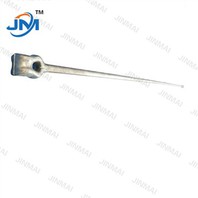
In our product range, we offer a diverse selection of metal stamping parts, such as the Multi-purpose Bracket For Power Accessories. This bracket is made from high - ductility metal, ensuring that it can be precisely formed to meet the needs of power accessory installations. The choice of the right material here is critical to achieving the desired shape and functionality.
Heat Treatment
Heat treatment is a powerful technique for improving the formability of metals. By subjecting the metal to controlled heating and cooling processes, we can modify its microstructure and mechanical properties. Annealing, for example, is a common heat - treatment process that involves heating the metal to a specific temperature and then slowly cooling it. This process relieves internal stresses, refines the grain structure, and increases the ductility of the metal.
Normalizing is another heat - treatment method that can enhance formability. It involves heating the metal to a temperature above its critical point and then air - cooling it. This results in a more uniform grain structure and improved mechanical properties. For some of our stamping parts, like the Hot Dip Galvanized Three Bolt Wire Clamp, heat treatment is applied to ensure that the metal can be easily formed into the required shape while maintaining its strength and corrosion resistance.
Lubrication
Proper lubrication is essential during the stamping process. Lubricants reduce friction between the metal sheet and the stamping tool, which helps to prevent surface damage and cracking. They also improve the flow of the metal during deformation, allowing for more complex shapes to be formed.
There are various types of lubricants available, including oil - based, water - based, and dry film lubricants. The choice of lubricant depends on factors such as the type of metal, the stamping operation, and environmental considerations. For example, water - based lubricants are often preferred in applications where environmental friendliness is a concern.
In our manufacturing process, we carefully select the appropriate lubricant for each stamping job. This not only improves the formability of the parts but also extends the lifespan of the stamping tools, reducing production costs in the long run.
Tool Design and Maintenance
The design and maintenance of stamping tools have a significant impact on the formability of metal parts. A well - designed tool can distribute the stress evenly during the stamping process, reducing the risk of cracking and improving the overall quality of the part.
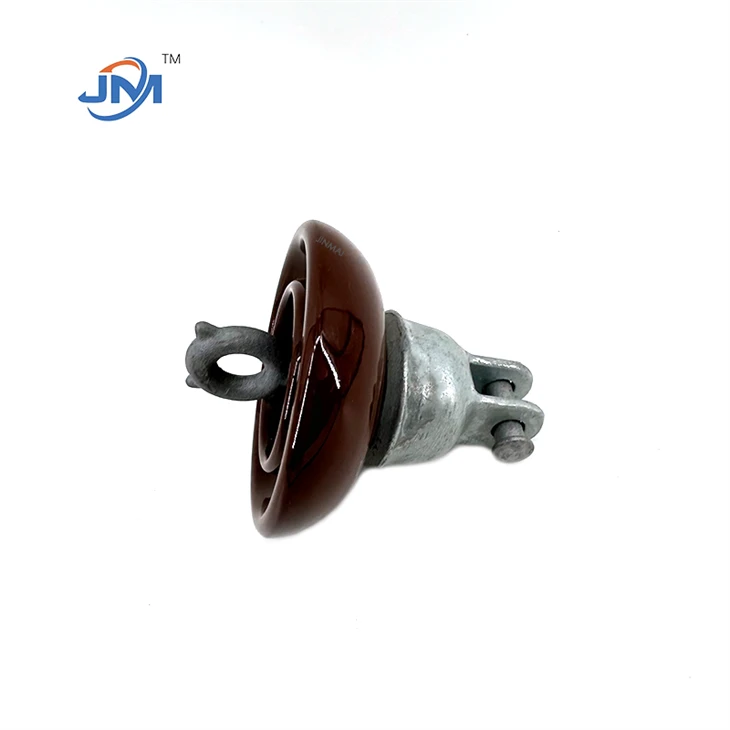
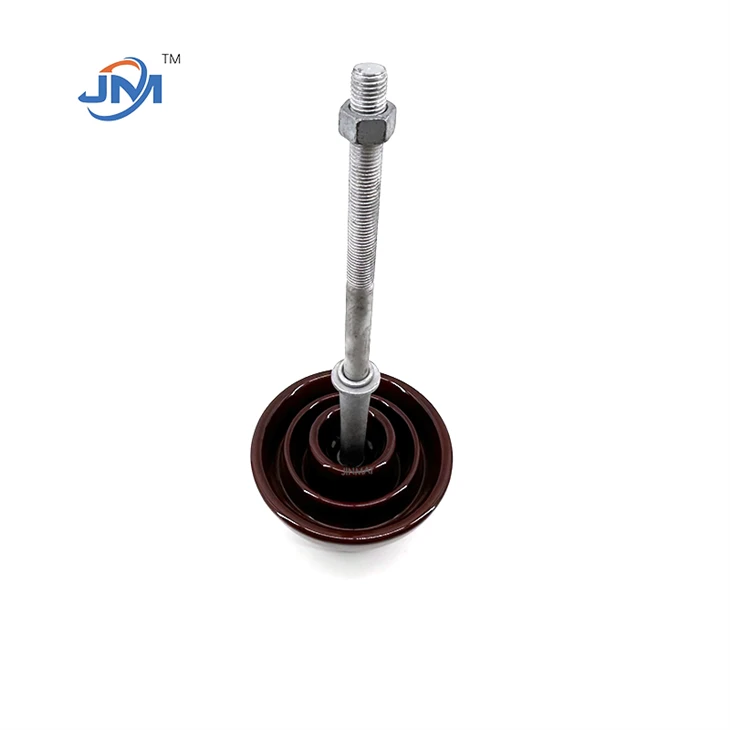
The shape and surface finish of the tool are crucial. A smooth surface finish on the tool reduces friction, allowing the metal to flow more easily. Additionally, the tool should be designed to match the specific shape and size of the stamping part. For example, in the production of Insulator, the stamping tool is precisely designed to ensure that the insulator can be formed with high precision.
Regular maintenance of the stamping tools is also necessary. This includes cleaning, sharpening, and replacing worn - out parts. A properly maintained tool can produce high - quality stamping parts consistently, improving formability and overall production efficiency.
Process Optimization
Optimizing the stamping process parameters is another important aspect of improving formability. Parameters such as the stamping speed, pressure, and die clearance need to be carefully adjusted according to the type of metal and the design of the part.
A slower stamping speed can sometimes improve formability, as it allows the metal more time to deform without cracking. The pressure applied during stamping should be sufficient to shape the metal but not excessive, which could cause damage. Die clearance is also critical; an appropriate clearance ensures that the metal can flow freely between the die and the punch.
We use advanced simulation software to analyze the stamping process and optimize these parameters. This helps us to predict potential issues and make adjustments before starting the actual production, ensuring high - quality and highly formable stamping parts.
Quality Control
Implementing a strict quality control system is vital to ensure that the formability of metal stamping parts meets the required standards. Quality control starts from the raw material inspection and continues throughout the entire production process.
We conduct various tests on the raw materials, including tensile tests, hardness tests, and chemical composition analysis. During the stamping process, we use in - process inspection techniques such as visual inspection, dimensional measurement, and non - destructive testing to detect any defects early.
After the parts are stamped, a final inspection is carried out to ensure that they meet the specified requirements. This comprehensive quality control system helps us to identify and address any issues related to formability, ensuring that only high - quality parts are delivered to our customers.
In conclusion, improving the formability of metal stamping parts requires a comprehensive approach that includes material selection, heat treatment, lubrication, tool design and maintenance, process optimization, and quality control. By implementing these strategies, we can produce high - quality stamping parts that meet the diverse needs of our customers.
If you are in need of high - quality metal stamping parts with excellent formability, we invite you to contact us for procurement and negotiation. Our team of experts is ready to provide you with customized solutions and the best products.
References
- ASM Handbook Committee. (2008). ASM Handbook Volume 14A: Metalworking: Bulk Forming. ASM International.
- Dieter, G. E. (1988). Mechanical Metallurgy. McGraw - Hill.
- Kalpakjian, S., & Schmid, S. R. (2010). Manufacturing Engineering and Technology. Pearson.