As a supplier of pole line hardware, I understand the importance of keeping these essential components clean and well - maintained. Pole line hardware, which includes items such as clamps, brackets, and bolts, is crucial for the stability and functionality of power lines, telecommunications lines, and other overhead infrastructure. Over time, these hardware pieces can accumulate dirt, grime, rust, and other contaminants that can compromise their performance and lifespan. In this blog post, I will share some effective methods on how to clean pole line hardware.
Understanding the Types of Pole Line Hardware
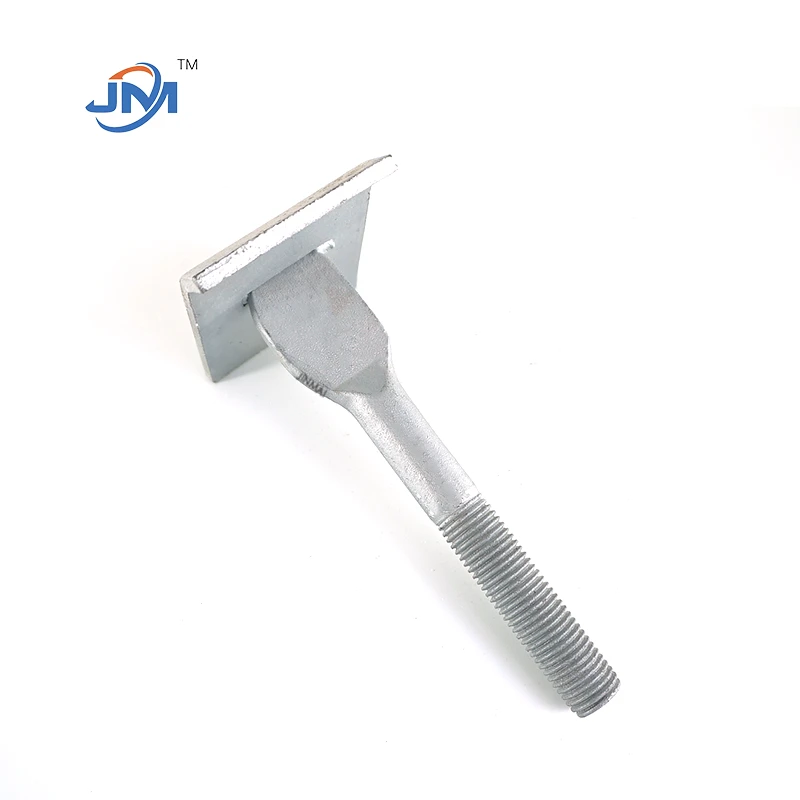
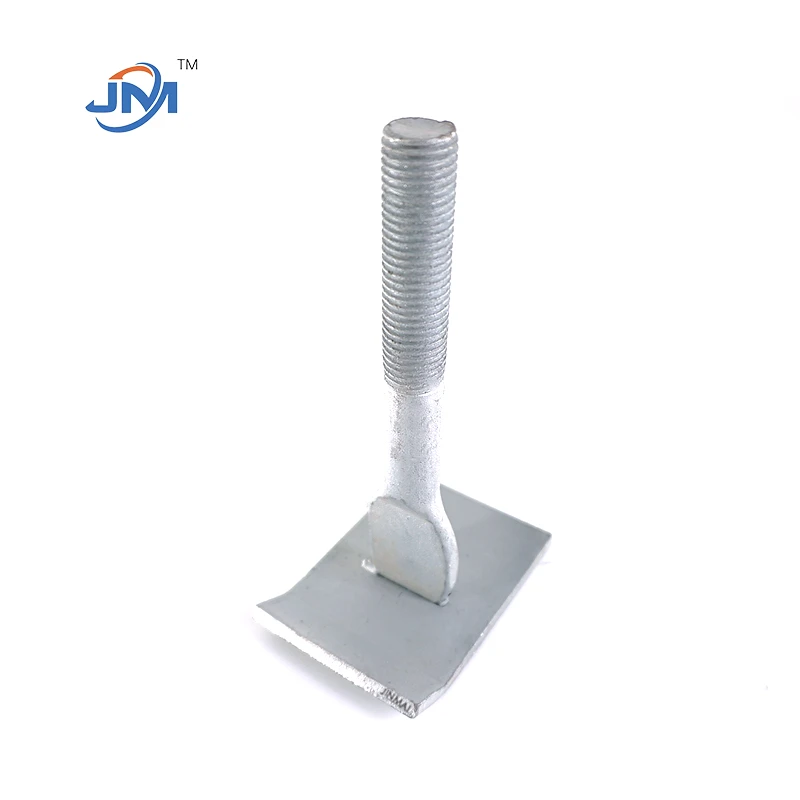
Before diving into the cleaning process, it's important to recognize the different types of pole line hardware. We offer a wide range of products, including the Hot Dip Galvanized Pole Band Mounting Clamp, Hot Dip Galvanized Anchor Bracket Adjustable Arm, and Hot Dip Galvanizing Single And Double Upset Spool Bolt. Each type of hardware may require a slightly different cleaning approach based on its material, design, and the level of contamination.
Pre - Cleaning Inspection
The first step in cleaning pole line hardware is to conduct a thorough inspection. Examine the hardware for any signs of damage, such as cracks, bends, or excessive wear. If you notice any significant damage, it may be necessary to replace the hardware rather than attempting to clean it. Additionally, identify the type and extent of contamination. Is it just surface dirt, or is there rust or corrosion present? This information will help you determine the most appropriate cleaning method.
Cleaning Surface Dirt
For pole line hardware with only surface dirt, a simple cleaning with mild soap and water can often do the trick. Start by preparing a solution of warm water and a gentle, non - abrasive soap. Use a soft - bristled brush or a sponge to apply the soapy water to the hardware. Scrub the surface gently to remove the dirt, paying special attention to crevices and hard - to - reach areas. Rinse the hardware thoroughly with clean water to remove all traces of soap.
If the dirt is particularly stubborn, you can add a small amount of vinegar to the soapy water. Vinegar is a natural cleaning agent that can help break down dirt and grime. However, be careful not to use too much vinegar, as it can be corrosive to some metals if left on for too long.
Removing Rust and Corrosion
Rust and corrosion can be more challenging to remove than surface dirt. For light rust, you can use a wire brush or sandpaper to gently scrub the affected areas. Start with a fine - grit sandpaper or a soft wire brush to avoid scratching the hardware. As you scrub, the rust should start to flake off. After removing the rust, clean the hardware with soapy water and rinse it thoroughly.
For more severe rust and corrosion, you may need to use a chemical rust remover. There are many commercial rust removers available on the market. When using a chemical rust remover, always follow the manufacturer's instructions carefully. Wear protective gloves and eyewear to prevent skin and eye irritation. Apply the rust remover to the affected areas and let it sit for the recommended amount of time. Then, use a brush to scrub away the loosened rust and rinse the hardware thoroughly.
Cleaning Galvanized Hardware
Galvanized pole line hardware, such as the products I mentioned earlier, has a protective zinc coating that helps prevent rust and corrosion. When cleaning galvanized hardware, it's important to be gentle to avoid damaging the zinc coating. Use a mild soap and water solution and a soft - bristled brush or sponge. Avoid using abrasive cleaners or tools that could scratch the coating.
If the galvanized hardware has a white powdery substance on its surface, this is likely zinc corrosion, also known as "white rust." To remove white rust, you can use a mixture of equal parts water and vinegar. Apply the mixture to the affected areas with a cloth or sponge and let it sit for a few minutes. Then, scrub the area gently and rinse it thoroughly.
Drying and Lubricating
After cleaning the pole line hardware, it's crucial to dry it completely to prevent new rust from forming. Use a clean, dry cloth to wipe away any excess water. You can also let the hardware air - dry in a well - ventilated area.
Once the hardware is dry, consider applying a light coat of lubricant to moving parts, such as bolts and nuts. Lubrication can help prevent future corrosion and make it easier to install and adjust the hardware. Use a lubricant that is suitable for the type of metal used in the hardware.
Maintenance Tips
Regular maintenance can help keep your pole line hardware clean and in good condition. Here are some maintenance tips:
- Inspect regularly: Conduct routine inspections of your pole line hardware to identify any signs of damage or contamination early.
- Clean periodically: Set a schedule for cleaning your pole line hardware, especially in areas with high levels of pollution or moisture.
- Store properly: When not in use, store your pole line hardware in a dry, protected area to prevent rust and corrosion.
Conclusion
Cleaning pole line hardware is an important part of maintaining the safety and functionality of overhead infrastructure. By following the methods and tips outlined in this blog post, you can effectively clean your pole line hardware and extend its lifespan.
If you are in need of high - quality pole line hardware or have any questions about cleaning and maintaining it, I encourage you to reach out for a procurement discussion. We are committed to providing you with the best products and services to meet your needs.
References
- "Maintenance of Electrical Infrastructure Hardware," Electrical Maintenance Handbook
- "Galvanized Metal: Properties and Care," Metalworking Journal