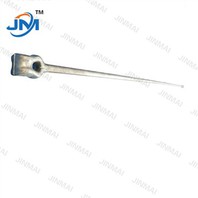
Hey there! As a supplier of Mounting Clamp Adapters, I've seen firsthand how crucial it is to ensure the correct fit of these adapters. A proper fit not only guarantees the safety and efficiency of your electrical systems but also extends the lifespan of your equipment. In this blog, I'll share some tips on how to make sure your Mounting Clamp Adapter fits just right.
Understanding Your Equipment
The first step in ensuring a correct fit is to have a clear understanding of the equipment you're using the adapter with. You need to know the specifications of the rods, cables, or other components that the adapter will be attached to. This includes details like the diameter, shape, and material of these parts.
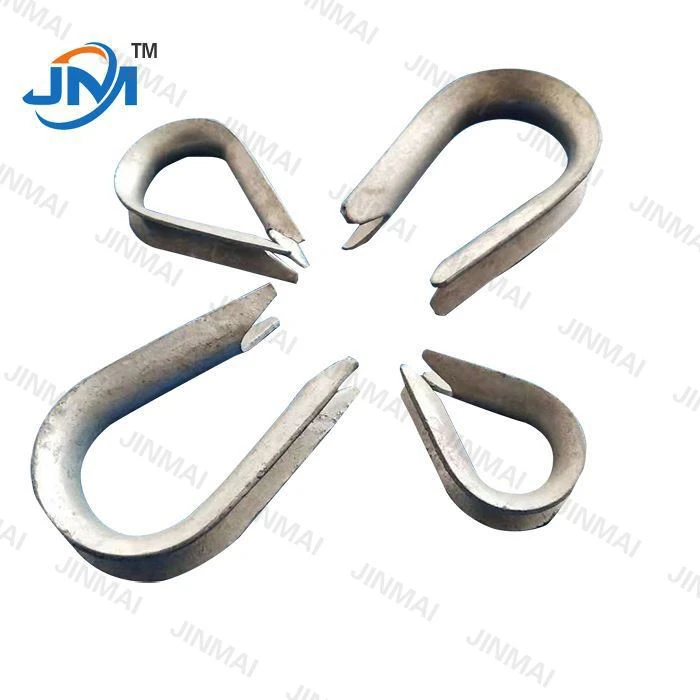
For example, if you're using the adapter with Stay Rod Thimbal, you need to measure the diameter of the stay rod accurately. The adapter should be able to snugly fit around the rod without being too loose or too tight. A loose fit can lead to the adapter moving around, which may cause damage to the rod or other nearby components. On the other hand, an overly tight fit can put excessive stress on the rod, potentially leading to breakage.
Measuring Accurately
Accurate measurements are the key to a proper fit. You can't just eyeball it and hope for the best. Invest in a good quality measuring tool, like a caliper or a micrometer. These tools will give you precise measurements, allowing you to select the right-sized adapter.
When measuring the diameter of a rod or cable, make sure to measure at multiple points. This is because the diameter may vary slightly along the length of the component. Take the average of these measurements to get a more accurate value. Also, don't forget to account for any irregularities in the shape of the component. Some rods or cables may have a slightly oval shape instead of a perfect circle. In such cases, you need to measure the major and minor axes and choose an adapter that can accommodate these dimensions.
Considering the Material
The material of the Mounting Clamp Adapter and the equipment it's being attached to is another important factor. Different materials have different properties, such as expansion and contraction rates due to temperature changes.
For instance, if you're using the adapter in an environment with significant temperature fluctuations, you need to choose a material that can withstand these changes without losing its grip. Some adapters are made of materials like stainless steel, which are known for their durability and resistance to corrosion. Others may be made of aluminum, which is lightweight but may not be as strong as stainless steel.
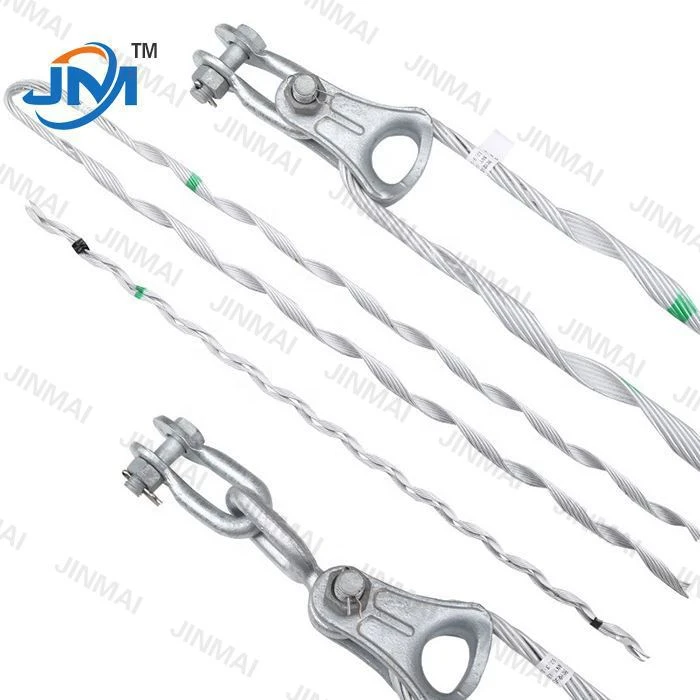
If you're using the adapter with Preformed Armor Rods, you need to ensure that the adapter material is compatible with the rod material. Incompatible materials can cause galvanic corrosion, which can weaken the components over time.
Checking the Design
The design of the Mounting Clamp Adapter also plays a crucial role in ensuring a correct fit. There are different types of adapters available, each with its own unique design features.
Some adapters have a simple, one-piece design, while others are more complex, with multiple parts that need to be assembled. Make sure you understand the design of the adapter and how it's supposed to be installed. Read the manufacturer's instructions carefully and follow them step by step.
For example, some adapters may require the use of special tools for installation. If you don't have the right tools, you may not be able to install the adapter correctly, which can lead to a poor fit. Also, pay attention to the alignment of the adapter. It should be aligned properly with the equipment it's being attached to to ensure a secure and stable fit.
Testing the Fit
Once you've selected an adapter and installed it, it's important to test the fit. You can do this by applying a small amount of pressure to the adapter and checking for any movement or looseness. If the adapter moves or wobbles, it may not be a proper fit.
You can also use a torque wrench to check if the adapter is tightened to the correct specifications. Over-tightening can damage the adapter or the equipment it's attached to, while under-tightening can result in a loose fit. Make sure you follow the recommended torque values provided by the manufacturer.
If you're using the adapter in a live electrical system, it's crucial to test the electrical connection as well. A poor fit can lead to a high resistance connection, which can cause overheating and potentially lead to a fire hazard. Use a multimeter to check the resistance of the connection and make sure it's within the acceptable range.
Compatibility with Other Components
In addition to fitting the equipment correctly, the Mounting Clamp Adapter also needs to be compatible with other components in the system. For example, if you're using the adapter in conjunction with a Parallel Groove Clamp, make sure the adapter and the clamp are designed to work together.
The dimensions and the connection method of the adapter should be compatible with the clamp. This ensures a seamless integration of the components and a reliable electrical connection. If the adapter and the clamp are not compatible, it can lead to problems such as poor conductivity, loose connections, and even equipment failure.
Seeking Professional Help
If you're still unsure about how to ensure the correct fit of a Mounting Clamp Adapter, don't hesitate to seek professional help. There are experts in the field who can provide you with valuable advice and guidance.
You can also consult with the manufacturer of the adapter. They have in-depth knowledge of their products and can help you select the right adapter for your specific needs. They can also provide you with installation instructions and troubleshooting tips.
Conclusion
Ensuring the correct fit of a Mounting Clamp Adapter is essential for the safety and efficiency of your electrical systems. By understanding your equipment, measuring accurately, considering the material, checking the design, testing the fit, ensuring compatibility with other components, and seeking professional help when needed, you can make sure your adapter fits just right.
If you're in the market for high-quality Mounting Clamp Adapters, feel free to reach out to us. We're here to help you find the perfect adapter for your needs and ensure a proper fit. Whether you're working on a small residential project or a large industrial installation, we've got you covered.
References
- Electrical Fittings Handbook
- Industry Standards for Mounting Clamp Adapters
- Manufacturer's Specifications for Mounting Clamp Adapters