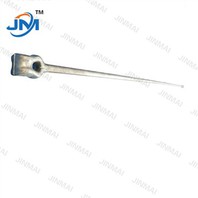
Ensuring the proper alignment of an insulator spindle during installation is crucial for the safety and efficiency of electrical systems. As a supplier of insulator spindles, I've seen firsthand the impact that misaligned spindles can have. In this blog, I'll share some tips on how to make sure your insulator spindle is installed correctly.
Why Proper Alignment Matters
First off, let's talk about why getting the alignment right is so important. An insulator spindle is a key component in electrical setups, especially in overhead power lines. It holds the insulator in place, which in turn supports the electrical conductors. If the spindle isn't aligned properly, it can lead to a bunch of problems.
For starters, misalignment can cause uneven stress on the insulator. This uneven stress can lead to cracks or breakages in the insulator over time. And once the insulator is damaged, it can't do its job of preventing electrical current from flowing to the ground or other non - conducting parts. This not only poses a safety risk to people and equipment in the vicinity but can also lead to power outages.
Another issue with misaligned spindles is that they can affect the overall stability of the electrical system. If the spindle isn't straight, the conductor may not be held securely, which can lead to swaying or movement in high winds or other adverse weather conditions. This movement can cause wear and tear on the conductor and other components, reducing the lifespan of the entire system.
Pre - installation Checks
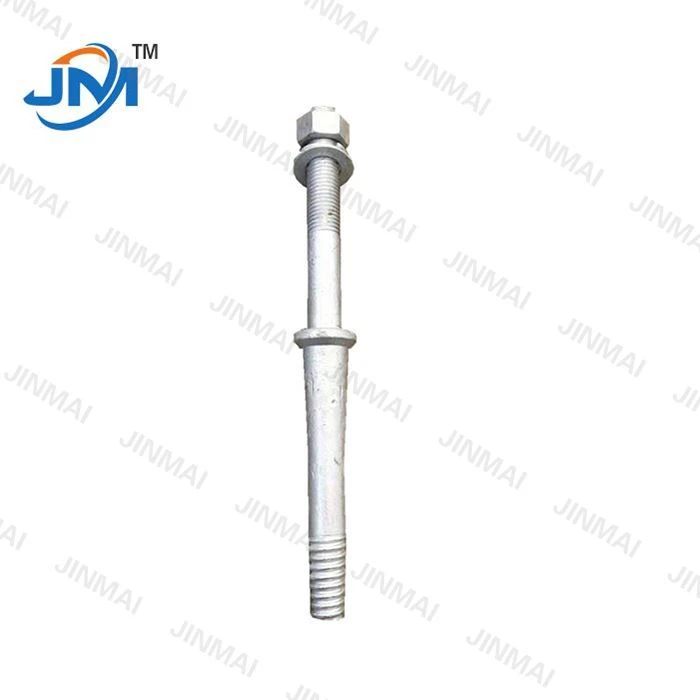
Before you even start the installation process, there are a few things you need to do. First, inspect the insulator spindle itself. Make sure it's not damaged in any way. Look for cracks, bends, or other signs of wear. If you're using a Hardware Galvanized Pole Top Pin Spindle, check the galvanization to ensure it's intact. Galvanization helps protect the spindle from corrosion, so any damage to it could compromise the spindle's durability.
Next, check the installation site. Measure the space where the spindle will be installed to make sure it's the right size. The hole in the pole or structure where the spindle will be inserted should be clean and free of debris. If there are any obstructions, it can prevent the spindle from being inserted correctly and lead to misalignment.
You also need to gather the right tools for the job. You'll typically need a wrench or socket set to tighten the spindle, a level to check the alignment, and possibly a drill if you need to make any adjustments to the installation site. Having the right tools on hand will make the installation process go much more smoothly.
Installation Process
Now, let's get into the actual installation process. Start by inserting the insulator spindle into the pre - drilled hole in the pole or structure. Make sure it goes in straight. You may need to tap it gently with a hammer to get it fully seated, but be careful not to hit it too hard as this could damage the spindle or the installation site.
Once the spindle is inserted, use a level to check its alignment. Place the level on top of the spindle and make sure it reads level in both the horizontal and vertical directions. If the spindle isn't level, you can make adjustments by gently tapping it with a hammer or using a wrench to loosen and re - position it.
After you've got the spindle level, it's time to tighten it. Use the appropriate wrench or socket set to tighten the nuts or bolts that secure the spindle in place. Make sure you don't over - tighten them, as this can cause the spindle to warp or crack. A good rule of thumb is to tighten the nuts or bolts until they're snug but not overly tight.
Post - installation Checks
Even after you've tightened the spindle, it's important to do a final check. Re - check the alignment with the level to make sure it hasn't shifted during the tightening process. You should also give the spindle a gentle shake to make sure it's firmly in place.
Inspect the surrounding area to make sure there are no signs of damage or stress. Look for any cracks in the pole or structure where the spindle is installed, as this could indicate that the installation process has caused some damage.
If you're using a Voltage Insulator Spindle, it's also a good idea to test the electrical insulation properties. You can use a megohmmeter to measure the insulation resistance. A low resistance reading could indicate a problem with the alignment or the insulator itself.
Additional Tips
Here are a few more tips to ensure proper alignment. If you're installing multiple insulator spindles, make sure they're all aligned the same way. This will help maintain the overall balance and stability of the electrical system.
It's also a good idea to have a second person assist you during the installation process. Having an extra set of hands can make it easier to hold the spindle in place while you're tightening it and can also help with checking the alignment.
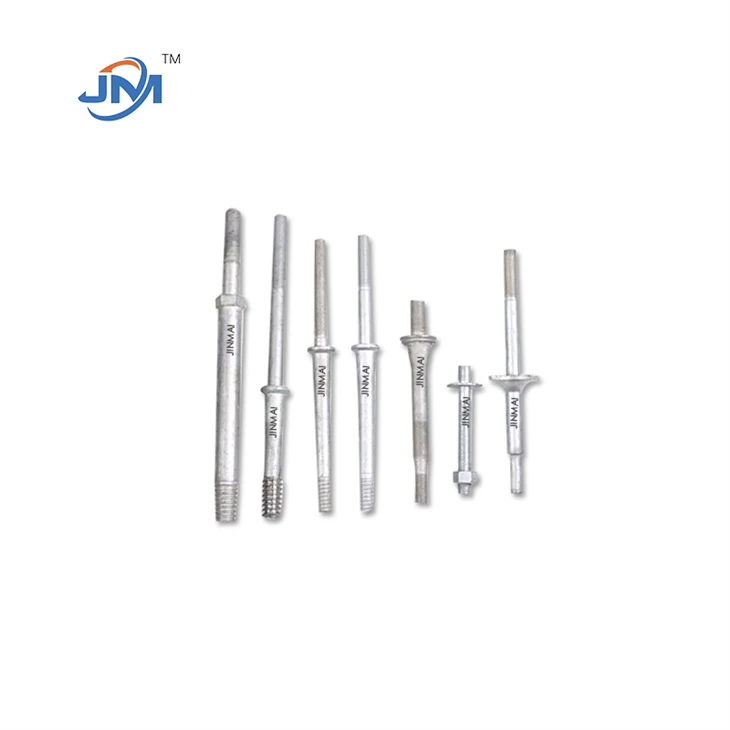
Finally, keep in mind that different types of insulator spindles may have specific installation requirements. For example, a Pole Top Pins Spindle may need to be installed at a specific angle or with a certain type of hardware. Make sure you read the manufacturer's instructions carefully before you start the installation.
Conclusion
Ensuring the proper alignment of an insulator spindle during installation is essential for the safety and efficiency of electrical systems. By following these steps and tips, you can minimize the risk of misalignment and ensure that your insulator spindle performs its job effectively.
If you're in the market for high - quality insulator spindles, I'm here to help. Whether you need a Hardware Galvanized Pole Top Pin Spindle, a Voltage Insulator Spindle, or a Pole Top Pins Spindle, I can provide you with the right products for your needs. Contact me to discuss your requirements and let's start a procurement negotiation.
References
- Electrical Insulation Handbook, various editions
- Industry standards for insulator spindle installation