Bolts are fundamental components in bridge construction, playing a pivotal role in ensuring the structural integrity, stability, and longevity of bridges. As a leading bolts supplier, I've witnessed firsthand the diverse applications and critical importance of bolts in various bridge - building projects. In this blog, I'll explore the multiple ways bolts are used in bridge construction.
1. Connecting Structural Elements
One of the primary applications of bolts in bridge construction is to connect different structural elements. Bridges are composed of numerous components such as girders, beams, columns, and trusses. Bolts provide a reliable and efficient means of joining these elements together.
For instance, in steel bridges, high - strength bolts are commonly used to connect steel girders and beams. These bolts are tightened to a specific torque value to create a strong and rigid connection. The use of bolts allows for easy assembly and disassembly during construction and maintenance. If a particular section of the bridge needs to be replaced or repaired, the bolts can be loosened, and the damaged part can be removed and replaced without extensive welding or other complex procedures.
When constructing a truss bridge, bolts are used to connect the individual members of the truss. Trusses are triangular frameworks that provide excellent load - bearing capacity. Bolts ensure that the truss members are securely fastened, allowing the truss to distribute loads evenly across the bridge structure. This type of connection also helps in accommodating small movements and vibrations that occur due to traffic, wind, or seismic activity.
2. Fixing Bridge Decks
Bridge decks are the surfaces on which vehicles and pedestrians travel. Bolts are used to fix the bridge deck to the underlying structural supports. In composite bridges, where the deck is made of concrete and the supporting structure is steel, shear connectors in the form of bolts are used. These shear connectors transfer the shear forces between the concrete deck and the steel girders, ensuring that the two materials act together as a single unit.
For example, headed shear studs, which are a type of bolt, are welded to the top flange of the steel girders. The concrete deck is then poured over these studs, creating a strong bond. This connection helps in preventing the deck from sliding or separating from the supporting structure, enhancing the overall safety and durability of the bridge.
In some cases, pre - fabricated bridge decks are used, and bolts are employed to connect these pre - fabricated units to each other and to the supporting structure. This modular approach to bridge deck construction can significantly reduce construction time and costs. The Hexagon Bolts and Nuts are often used in such applications due to their ease of installation and high strength.
3. Securing Railings and Barriers
Bridge railings and barriers are essential safety features that prevent vehicles and pedestrians from falling off the bridge. Bolts are used to secure these railings and barriers to the bridge structure.
For metal railings, bolts are used to attach the railing posts to the bridge deck or the supporting structure. The bolts need to be strong enough to withstand the impact forces that may occur if a vehicle collides with the railing. High - strength and corrosion - resistant bolts are typically selected for this purpose. Galvanized bolts, such as the Hot Dip Galvanized Square Nut, are commonly used as they offer excellent protection against rust and corrosion, which is crucial for bridges exposed to harsh environmental conditions.
Barriers, such as concrete crash barriers, may also be bolted to the bridge deck. These bolts ensure that the barriers remain in place during a collision, providing an effective safety barrier. The proper installation and selection of bolts for railings and barriers are critical to meet safety standards and regulations.
4. Anchoring Bridge Supports
Bridge supports, such as piers and abutments, need to be firmly anchored to the ground or the foundation. Bolts are used in the anchoring process to connect the bridge superstructure to the supports.
In the case of pile - supported bridges, anchor bolts are used to connect the bridge girders to the pile caps. These bolts transfer the loads from the superstructure to the piles, which in turn transfer the loads to the underlying soil. The design and installation of these anchor bolts are carefully calculated to ensure that they can withstand the vertical, horizontal, and lateral forces acting on the bridge.
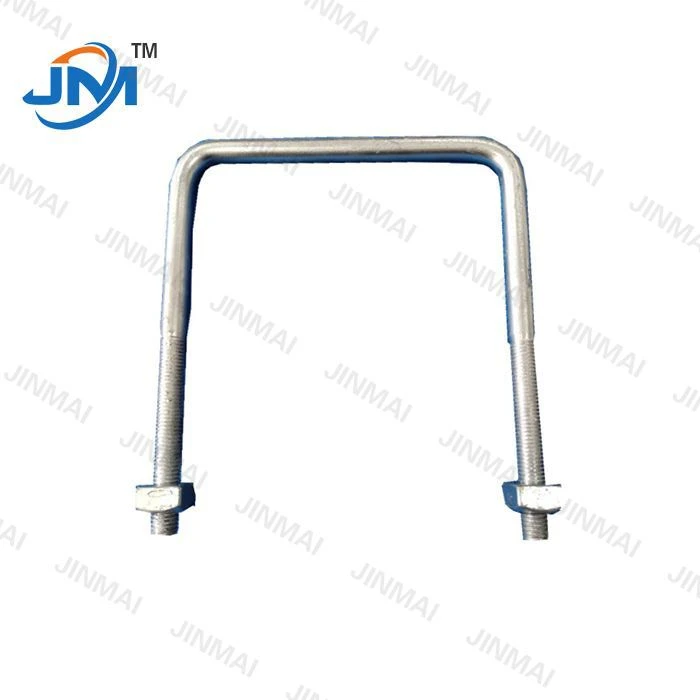
For bridges built on spread footings, bolts are used to connect the bridge columns to the footings. This connection helps in stabilizing the bridge structure and preventing it from shifting or overturning. The U Type Bolts are sometimes used in these applications, especially when a more flexible connection is required to accommodate small movements or adjustments.
5. Adjusting and Aligning Bridge Components
During the construction process, it is often necessary to adjust and align the bridge components to ensure proper fit and functionality. Bolts can be used as adjustment devices.
For example, shim bolts can be used to adjust the height or alignment of bridge girders. By tightening or loosening these bolts, the position of the girder can be fine - tuned to meet the design specifications. This is particularly important in ensuring that the bridge deck has a smooth and level surface for traffic.

In addition, bolts can be used to temporarily hold components in place during the alignment process. Once the alignment is correct, the bolts can be tightened to secure the components permanently. This allows for a more precise and accurate construction process.
6. Maintenance and Repair
Bolts also play a crucial role in the maintenance and repair of bridges. Over time, bolts may become loose due to vibrations, temperature changes, or other factors. Regular inspection and tightening of bolts are essential to maintain the structural integrity of the bridge.
If a bolt is damaged or corroded, it can be easily replaced. This is much more convenient and cost - effective than replacing an entire welded connection. During bridge repairs, bolts can be used to install new components or reinforce existing ones. For example, if a section of the bridge railing is damaged, new railing posts can be bolted in place.
Conclusion
In conclusion, bolts are indispensable in bridge construction. Their applications range from connecting structural elements and fixing bridge decks to securing safety features and anchoring supports. As a bolts supplier, I understand the importance of providing high - quality bolts that meet the strict requirements of bridge construction projects.
If you are involved in a bridge construction project or are looking for reliable bolts for your infrastructure needs, I invite you to contact me for a detailed discussion. We offer a wide range of bolts, including the ones mentioned above, with different sizes, strengths, and corrosion - resistant properties. Our team of experts can help you select the most suitable bolts for your specific project requirements.
References
- "Bridge Engineering Handbook" by Wei - Fan Chen and Lian Duan
- "Steel Structures: Design and Behavior" by S. Timoshenko and J. M. Gere
- Various industry standards and guidelines related to bridge construction and bolt usage.