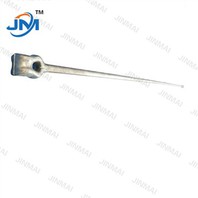
Hey there! I'm a supplier of Mounting Clamp Adapters, and I know how crucial it is for these little gadgets to work at their best. In this blog, I'll share some practical tips on how to improve the performance of a Mounting Clamp Adapter.
Understanding the Basics
First things first, let's talk about what a Mounting Clamp Adapter does. It's a device that helps connect different components securely. Whether it's in an electrical setup, a mechanical system, or even in some DIY projects, a good Mounting Clamp Adapter can make all the difference.
The key to improving its performance lies in understanding its design and the materials it's made of. Most Mounting Clamp Adapters are made from metals like steel or aluminum, or sometimes from high - strength plastics. Each material has its own pros and cons. For example, steel is strong and durable but can be heavy and prone to rust if not properly coated. Aluminum, on the other hand, is lightweight and corrosion - resistant but may not be as strong as steel in some applications.
Choosing the Right Material
When you're looking to improve the performance of your Mounting Clamp Adapter, choosing the right material is super important. If you're using it in an outdoor environment, you'll want to go for a corrosion - resistant material. Power Supply Fittings often require adapters that can withstand harsh weather conditions, so aluminum or stainless steel would be great choices.
If you're working on a project where weight is a concern, like in a mobile or aerospace application, high - strength plastics can be a good option. They're lightweight and can still provide a decent amount of clamping force.


Proper Installation
Another major factor in improving the performance of a Mounting Clamp Adapter is proper installation. You need to make sure that the adapter is correctly aligned with the components it's connecting. If it's not aligned properly, it can cause uneven stress distribution, which can lead to premature wear and tear.
Before installing the adapter, clean the surfaces of the components. Any dirt, grease, or debris can reduce the clamping force and affect the performance. Use the right tools for installation. For example, if you're using bolts to secure the adapter, make sure you tighten them to the correct torque. Over - tightening can damage the adapter or the components, while under - tightening can cause the adapter to come loose.
Maintenance
Regular maintenance is also key to keeping your Mounting Clamp Adapter performing well. Check for signs of wear and tear regularly. Look for cracks, deformation, or any signs of corrosion. If you notice any issues, replace the adapter as soon as possible.
Lubrication can also help improve the performance. For metal adapters, a light coating of lubricant can reduce friction and prevent rust. However, make sure you use a lubricant that's compatible with the material of the adapter.
Compatibility with Other Components
Your Mounting Clamp Adapter needs to be compatible with the other components in the system. If it's too small or too large for the components it's connecting, it won't work properly. For example, if you're using a JBT Parallel Groove Clamp and need an adapter to connect it to another part, make sure the adapter has the right dimensions and can handle the electrical or mechanical load.
Also, consider the electrical or mechanical properties of the components. If you're working in an electrical system, the adapter should have the right insulation properties to prevent short - circuits.
Upgrading the Design
Sometimes, upgrading the design of your Mounting Clamp Adapter can significantly improve its performance. There are new designs on the market that offer better clamping force, easier installation, and improved durability. For example, some adapters now come with adjustable features, which allow you to fine - tune the clamping force according to your needs.
If you're in a high - vibration environment, look for adapters with anti - vibration features. These can prevent the adapter from coming loose due to vibrations, which can be a major problem in some industrial applications.
Testing and Quality Control
Before using a Mounting Clamp Adapter in a critical application, it's a good idea to test it. You can perform simple tests like checking the clamping force using a force gauge. This will give you an idea of how well the adapter is performing.
Quality control is also essential. Make sure you're sourcing your adapters from a reliable supplier. A good supplier will have strict quality control measures in place to ensure that each adapter meets the required standards.
Case Studies
Let's take a look at a couple of case studies to see how these tips can work in real - life situations.
In an industrial manufacturing plant, they were using Mounting Clamp Adapters to connect different parts of a conveyor system. The adapters were made of steel, but they were experiencing a lot of corrosion due to the humid environment. By switching to aluminum adapters and implementing a regular maintenance schedule, they were able to reduce the number of adapter failures by over 50%.
In a DIY electronics project, a hobbyist was having trouble with a loose connection between a power supply and a circuit board. After checking the installation, they realized that the adapter was not tightened properly. By using the right tools and tightening the bolts to the correct torque, they were able to improve the connection and the overall performance of the system.
Conclusion
Improving the performance of a Mounting Clamp Adapter is all about understanding its design, choosing the right material, proper installation, regular maintenance, and ensuring compatibility with other components. By following these tips, you can make your Mounting Clamp Adapter work more efficiently and last longer.
If you're interested in purchasing high - quality Mounting Clamp Adapters or have any questions about improving their performance, feel free to reach out. We're here to help you find the best solutions for your projects. Whether you need adapters for Power Supply Fittings, JBT Parallel Groove Clamp, or other applications, we've got you covered.
References
- "Handbook of Mechanical Fasteners" - A comprehensive guide on fasteners and their applications.
- "Materials Science for Engineers" - A great resource for understanding the properties of different materials used in engineering applications.
- Industry reports on the performance and reliability of Mounting Clamp Adapters.