Bolts are fundamental components in various industries, and the mining sector is no exception. As a leading bolts supplier, I've witnessed firsthand the crucial role these seemingly simple fasteners play in the operation and safety of mining equipment. In this blog, I'll delve into the diverse uses of bolts in mining equipment, highlighting their importance and the specific types that are commonly employed.
Securing Structural Components
Mining equipment is often massive and operates under extreme conditions. Bolts are used to secure the structural components of these machines, ensuring their stability and integrity. For example, in large excavators, bolts are used to connect the boom, arm, and bucket to the main body of the machine. These connections need to be extremely strong to withstand the high forces generated during digging and lifting operations. High - strength bolts are typically used in these applications, as they can handle the heavy loads without failing.
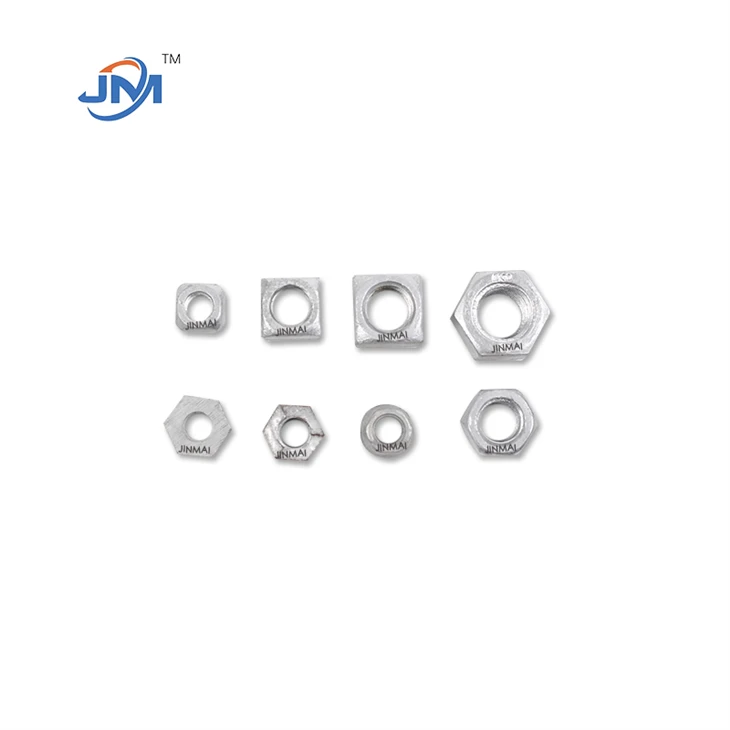
The High Strength Hexagon Nuts are often paired with these high - strength bolts. These nuts provide a reliable locking mechanism, preventing the bolts from loosening due to vibrations and shocks. In a mining environment, where equipment is constantly in motion and subjected to rough handling, the use of proper nuts is as important as the bolts themselves.
Joining Wear - Resistant Parts
Mining equipment is exposed to abrasive materials such as rocks, ores, and sand on a daily basis. Many parts of the equipment are made of wear - resistant materials, and bolts are used to join these parts together. For instance, in crushers, the wear plates that line the crushing chamber are attached using bolts. These wear plates protect the main body of the crusher from excessive wear and tear.
The Metal Stainless Steel Nut is a popular choice for these applications. Stainless steel offers excellent corrosion resistance, which is essential in a mining environment where the equipment may be exposed to moisture and chemicals. The use of stainless steel nuts ensures that the connection between the wear - resistant parts remains intact over a long period of time, even in harsh conditions.
Mounting Electrical and Hydraulic Components
Modern mining equipment is highly automated and relies on a variety of electrical and hydraulic components. Bolts are used to mount these components securely to the equipment. Electrical panels, motors, and hydraulic cylinders need to be firmly attached to prevent any movement that could lead to damage or malfunction.
In the case of hydraulic cylinders, bolts are used to connect the cylinder to the mounting brackets. These connections need to be leak - proof and able to withstand high hydraulic pressures. The Hot Dip Galvanized Square Nut can be used in combination with bolts for these applications. The hot - dip galvanization process provides a protective coating that prevents corrosion, making the nuts suitable for use in both indoor and outdoor mining operations.
Ensuring Safety in Conveyor Systems
Conveyor systems are an integral part of the mining process, used to transport large quantities of materials over long distances. Bolts are used to assemble and maintain the various components of the conveyor system, including the frames, rollers, and belts.
The frames of the conveyor system need to be rigid and stable to support the weight of the materials being transported. Bolts are used to connect the frame sections together, ensuring that the conveyor can operate smoothly without any structural failures. In addition, bolts are used to secure the rollers that support the conveyor belt. Any loose or damaged bolts in the conveyor system can lead to misalignment of the belt, which can cause material spillage and even system breakdown.
Facilitating Equipment Maintenance and Repair
One of the advantages of using bolts in mining equipment is that they make maintenance and repair work much easier. When a part of the equipment needs to be replaced or repaired, the bolts can be easily removed and reinstalled. This reduces the downtime of the equipment, which is crucial in the mining industry where every hour of operation counts.
For example, if a hydraulic pump on a mining truck needs to be replaced, the bolts holding the pump in place can be removed quickly. After the new pump is installed, the bolts can be tightened to the correct torque specification, ensuring a proper and secure connection.
Quality Control and Standards
As a bolts supplier, we understand the importance of quality control in the mining industry. All our bolts are manufactured to meet strict industry standards. We use high - quality materials and advanced manufacturing processes to ensure that our bolts have the required strength, durability, and corrosion resistance.
Before the bolts are shipped to our customers, they undergo a series of tests, including tensile strength tests, hardness tests, and corrosion resistance tests. This ensures that the bolts can perform reliably in the harsh mining environment.
Conclusion
In conclusion, bolts are indispensable in mining equipment. They are used in a wide range of applications, from securing structural components to mounting electrical and hydraulic parts. The proper selection of bolts and nuts is crucial for the safe and efficient operation of mining equipment.

If you are in the mining industry and are looking for high - quality bolts and nuts for your equipment, I encourage you to get in touch with us. We have a wide range of products to meet your specific needs, and our team of experts can provide you with professional advice on the best solutions for your mining equipment.
References
- ASME B18.2.1 - 2017, "Square and Hex Bolts and Screws (Inch Series)"
- ASTM A325 - 17, "Standard Specification for Structural Bolts, Steel, Heat - Treated, 120/105 ksi Minimum Tensile Strength"
- ISO 4014 - 2011, "Hexagon head bolts - Product grades A and B"