Hey there! As a supplier of cable components, I've seen firsthand the importance of having high - performing cable parts in various industries. Whether it's for telecommunications, power distribution, or other applications, the performance of cable components can make or break a project. In this blog, I'll share some tips on how to improve the performance of cable components.
1. Choose the Right Materials
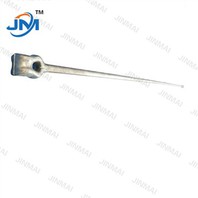
The materials used in cable components play a crucial role in their performance. For example, when it comes to cable hooks, using high - quality steel can significantly enhance their durability and load - bearing capacity. The Hardware Pole Line Hook we offer is made from top - notch steel, which is resistant to corrosion and can withstand harsh environmental conditions.
If you're dealing with outdoor cable installations, you need to consider materials that can resist UV rays, moisture, and extreme temperatures. For insulation materials in cables, choosing ones with high dielectric strength can prevent electrical leakage and improve the overall safety and performance of the cable system.
2. Proper Installation
Even the best - quality cable components won't perform well if they're not installed correctly. Make sure that installers are well - trained and follow the manufacturer's installation guidelines. For instance, when installing the Cable Pole Hook, it's important to ensure that it's securely attached to the pole and can support the weight of the cables without any risk of slipping or falling.
Proper cable routing is also essential. Cables should be routed in a way that minimizes stress on the components. Avoid sharp bends or kinks in the cables, as these can cause signal loss in data cables or increase resistance in power cables.
3. Regular Maintenance
Maintenance is key to keeping cable components in top - notch condition. Conduct regular inspections to check for signs of wear and tear, such as rust on metal components or cracks in insulation. For Pigtail Hook Bolts, check if the bolts are tightened properly and if there are any signs of corrosion.
Clean the cable components regularly to remove dirt, dust, and other contaminants. This can prevent the build - up of debris that could potentially affect the performance of the components. In some cases, lubricating moving parts can also improve their functionality and reduce friction.
4. Compatibility
Ensure that all cable components are compatible with each other. Using incompatible components can lead to a range of issues, from poor electrical connections to mechanical failures. For example, if you're using a cable connector, make sure it's designed to work with the specific type of cable you're using.
When upgrading or adding new components to an existing cable system, always check the compatibility of the new parts with the old ones. This can save you a lot of headaches down the line and ensure that the entire system performs as expected.
5. Consider Environmental Factors
The environment in which the cable components are installed can have a significant impact on their performance. In areas with high humidity, for example, corrosion - resistant materials are a must. In regions with high winds, components need to be able to withstand the force without getting damaged.
If the cable components are going to be exposed to chemicals or pollutants, choose materials that are resistant to these substances. Understanding the environmental conditions and choosing the right components accordingly can greatly improve their performance and lifespan.
6. Testing and Quality Control
Before installing cable components, it's a good idea to conduct some basic tests. For electrical components, test for conductivity and insulation resistance. For mechanical components, check for proper fit and function.


At our company, we have a strict quality control process in place. Every cable component goes through a series of tests to ensure that it meets the highest standards of performance and reliability. This way, you can be confident that the components you're getting are of the best quality.
7. Upgrade and Innovation
The cable component industry is constantly evolving, and new technologies and materials are being developed all the time. Keep an eye on the latest trends and consider upgrading your cable components when appropriate.
Newer components may offer better performance, higher efficiency, or improved safety features. For example, some new cable insulation materials have better fire - resistant properties, which can be a huge advantage in certain applications.
Conclusion
Improving the performance of cable components is a multi - faceted process that involves choosing the right materials, proper installation, regular maintenance, ensuring compatibility, considering environmental factors, testing, and staying up - to - date with the latest upgrades. As a cable component supplier, we're committed to providing high - quality products and helping our customers get the most out of their cable systems.
If you're in the market for cable components or need more information on how to improve the performance of your existing cable system, don't hesitate to reach out. We'd be more than happy to have a chat and discuss your specific needs. Let's work together to ensure that your cable components are performing at their best!
References
- Electrical Wiring Handbook
- Mechanical Engineering Design Principles
- Cable Installation Best Practices Guide