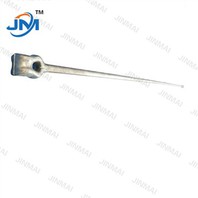
Installing a pigtail eye bolt in a composite material requires a careful and methodical approach to ensure a secure and reliable connection. As a leading supplier of pigtail eye bolts, I understand the importance of providing clear guidance on the installation process. In this blog post, I will walk you through the steps of installing a pigtail eye bolt in a composite material, highlighting key considerations and best practices along the way.
Understanding Composite Materials
Before we dive into the installation process, it's essential to have a basic understanding of composite materials. Composite materials are made by combining two or more different materials with distinct properties to create a new material with enhanced characteristics. These materials are often used in various industries, including aerospace, automotive, and marine, due to their high strength-to-weight ratio, corrosion resistance, and design flexibility.
However, composite materials can be more challenging to work with than traditional materials like metal or wood. They can be brittle, have low shear strength, and are sensitive to drilling and cutting. Therefore, it's crucial to take extra precautions when installing hardware in composite materials to avoid damage and ensure a proper fit.
Tools and Materials You'll Need
- Pigtail eye bolt: Choose a pigtail eye bolt that is compatible with the composite material and the application. Consider factors such as the size, thread type, and load capacity of the bolt. You can explore our range of Pigtail Hook Bolts and Pig tail ball head for suitable options.
- Drill: Select a drill bit that is appropriate for the composite material and the size of the bolt. A carbide or diamond-tipped drill bit is recommended for drilling composite materials to prevent chipping and cracking.
- Countersink: Use a countersink to create a recess for the bolt head, ensuring a flush fit.
- Thread tap: If the composite material does not have pre-threaded holes, you will need a thread tap to create threads for the bolt.
- Wrench or socket set: You'll need a wrench or socket set to tighten the bolt securely.
- Sealant: Apply a suitable sealant around the bolt to prevent moisture ingress and protect the composite material from damage.
- Safety equipment: Wear safety glasses, gloves, and a dust mask to protect yourself from debris and dust during the installation process.
Step-by-Step Installation Process
Step 1: Mark the Location
Before drilling, mark the location where you want to install the pigtail eye bolt on the composite material. Use a measuring tape and a pencil to ensure accurate placement. Consider the load requirements and the orientation of the bolt when choosing the location.
Step 2: Drill the Hole
Using the appropriate drill bit, carefully drill a hole at the marked location. Start with a small pilot hole to guide the drill bit and prevent it from wandering. Then, gradually increase the size of the hole to match the diameter of the bolt. Apply gentle pressure and use a slow drilling speed to avoid overheating the composite material and causing damage.


Step 3: Countersink the Hole
Once the hole is drilled, use a countersink to create a recess for the bolt head. This will ensure that the bolt sits flush with the surface of the composite material and provides a more aesthetically pleasing finish. Be careful not to over-countersink the hole, as this can weaken the composite material.
Step 4: Tap the Threads (if necessary)
If the composite material does not have pre-threaded holes, you will need to tap the threads using a thread tap. Apply a small amount of cutting fluid to the tap to lubricate the process and prevent the tap from breaking. Slowly turn the tap clockwise to create the threads, taking care not to force it. Reverse the tap periodically to clear the chips and ensure smooth threading.
Step 5: Insert the Bolt
Once the threads are tapped, insert the pigtail eye bolt into the hole. Make sure the bolt is aligned correctly and that the threads engage smoothly. Do not force the bolt if it does not turn easily, as this may damage the threads or the composite material.
Step 6: Tighten the Bolt
Using a wrench or socket set, tighten the bolt securely. Be careful not to over-tighten the bolt, as this can cause the composite material to crack or delaminate. Refer to the manufacturer's specifications for the recommended torque value and use a torque wrench if necessary.
Step 7: Apply Sealant
After tightening the bolt, apply a suitable sealant around the bolt head and the edges of the hole. This will prevent moisture ingress and protect the composite material from damage. Choose a sealant that is compatible with the composite material and the application.
Step 8: Inspect the Installation
Once the sealant has dried, inspect the installation to ensure that the bolt is securely tightened and that there are no signs of damage or leakage. Check the alignment of the bolt and the fit of the eyelet. If necessary, make any adjustments or repairs before using the pigtail eye bolt.
Key Considerations and Best Practices
- Material Compatibility: Ensure that the pigtail eye bolt and the composite material are compatible. Some composite materials may require special coatings or treatments to prevent corrosion or chemical reactions.
- Load Capacity: Consider the load requirements of the application when choosing the size and type of pigtail eye bolt. Make sure the bolt has a sufficient load capacity to support the intended load.
- Drilling Techniques: Use the appropriate drilling techniques and tools to prevent damage to the composite material. Avoid applying excessive pressure or using a high drilling speed, as this can cause the material to crack or delaminate.
- Thread Engagement: Ensure that the bolt has sufficient thread engagement in the composite material. A general rule of thumb is to have at least two to three times the diameter of the bolt in thread engagement.
- Sealant Application: Apply a sealant around the bolt to prevent moisture ingress and protect the composite material from damage. Make sure the sealant is applied evenly and covers the entire area around the bolt.
- Safety Precautions: Wear appropriate safety equipment, such as safety glasses, gloves, and a dust mask, during the installation process. Follow all safety guidelines and procedures to prevent accidents and injuries.
Conclusion
Installing a pigtail eye bolt in a composite material requires careful planning, the right tools, and proper techniques. By following the steps outlined in this blog post and considering the key considerations and best practices, you can ensure a secure and reliable installation. As a trusted supplier of pigtail eye bolts, we offer a wide range of high-quality products to meet your needs. If you have any questions or need further assistance with the installation process, please don't hesitate to contact us. We are here to help you with your procurement needs and ensure that you get the right product for your application.
References
- Composite Materials Handbook: A comprehensive guide to the properties, design, and fabrication of composite materials.
- Manufacturer's specifications: Refer to the manufacturer's specifications for the pigtail eye bolt and the composite material for detailed information on installation and usage.