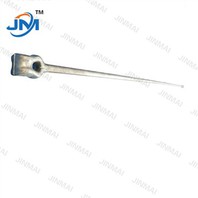
As a supplier of Pigtail Eye Bolts, I've witnessed firsthand the crucial role these components play in various industries. Pigtail Eye Bolts are widely used in applications where secure attachment and load-bearing are essential, such as in cable systems, construction, and industrial machinery. However, one of the most common issues faced by users is the shearing off of these bolts, which can lead to serious safety hazards and costly downtime. In this blog post, I'll share some effective strategies on how to prevent a pigtail eye bolt from shearing off.


Understanding the Causes of Shearing
Before we delve into prevention methods, it's important to understand the factors that can cause a pigtail eye bolt to shear off. The primary causes include:
- Overloading: Applying a load that exceeds the bolt's rated capacity is one of the most common reasons for shearing. When a bolt is subjected to excessive force, it can reach its yield point and eventually break.
- Improper Installation: Incorrect installation, such as using the wrong torque or not aligning the bolt properly, can weaken the bolt and increase the risk of shearing.
- Material Defects: Poor-quality materials or manufacturing defects can also contribute to bolt failure. Bolts made from substandard materials may not have the necessary strength and durability to withstand the intended loads.
- Environmental Factors: Exposure to harsh environmental conditions, such as corrosion, extreme temperatures, or vibration, can gradually degrade the bolt's integrity and lead to shearing.
Selecting the Right Bolt
The first step in preventing bolt shearing is to select the right pigtail eye bolt for the application. Consider the following factors when making your selection:
- Load Capacity: Determine the maximum load that the bolt will need to support and choose a bolt with a rated capacity that exceeds this value. It's always better to overspecify the bolt to ensure safety.
- Material: Choose a bolt made from high-quality materials that are suitable for the application environment. Common materials for pigtail eye bolts include stainless steel, carbon steel, and alloy steel. Stainless steel is resistant to corrosion and is ideal for outdoor or marine applications, while carbon steel and alloy steel offer high strength and durability.
- Size and Thread Type: Select the appropriate size and thread type of the bolt to ensure a proper fit and secure connection. Refer to the manufacturer's specifications or consult with a professional if you're unsure.
Proper Installation
Proper installation is crucial for preventing bolt shearing. Follow these guidelines to ensure correct installation:
- Prepare the Surface: Clean the surface where the bolt will be installed to remove any dirt, debris, or rust. This will help to ensure a good connection and prevent corrosion.
- Use the Right Tools: Use the appropriate tools, such as a torque wrench, to install the bolt. Follow the manufacturer's recommended torque specifications to ensure that the bolt is tightened to the correct level. Over-tightening can cause the bolt to break, while under-tightening can result in a loose connection.
- Align the Bolt: Make sure the bolt is properly aligned with the hole or the mating component. Misalignment can cause uneven stress distribution and increase the risk of shearing.
- Install Washers: Use washers to distribute the load evenly and prevent the bolt from digging into the surface. This can help to reduce the risk of shearing and improve the overall performance of the bolt.
Regular Inspection and Maintenance
Regular inspection and maintenance are essential for detecting and preventing bolt shearing. Here are some tips for inspecting and maintaining your pigtail eye bolts:
- Visual Inspection: Regularly inspect the bolts for signs of damage, such as cracks, corrosion, or deformation. If you notice any issues, replace the bolt immediately.
- Check the Torque: Periodically check the torque of the bolts to ensure that they are still tightened to the correct level. Over time, vibrations and other factors can cause the bolts to loosen, so it's important to re-tighten them if necessary.
- Clean and Lubricate: Clean the bolts regularly to remove any dirt, debris, or corrosion. Apply a suitable lubricant to the threads to prevent rust and make it easier to remove the bolts if needed.
- Monitor the Load: Keep an eye on the load that the bolts are subjected to and make sure it doesn't exceed the rated capacity. If you need to increase the load, consider upgrading to a stronger bolt or adding additional bolts to distribute the load.
Additional Precautions
In addition to the above measures, there are some additional precautions you can take to prevent bolt shearing:
- Use Locking Devices: Consider using locking devices, such as lock washers or thread-locking compounds, to prevent the bolts from loosening due to vibrations.
- Avoid Impact and Shock Loads: Try to avoid subjecting the bolts to sudden impact or shock loads, as these can cause the bolts to shear off. If possible, use shock-absorbing materials or design the system to minimize the impact on the bolts.
- Follow Industry Standards and Guidelines: Make sure you follow the relevant industry standards and guidelines when selecting, installing, and maintaining your pigtail eye bolts. This will help to ensure that you're using the best practices and reducing the risk of failure.
Conclusion
Preventing a pigtail eye bolt from shearing off requires a combination of proper selection, installation, inspection, and maintenance. By following the strategies outlined in this blog post, you can significantly reduce the risk of bolt failure and ensure the safety and reliability of your applications.
If you're in the market for high-quality Pigtail Hook Bolts, Pig tail ball head, or Cable Pole Hook, look no further. Our company offers a wide range of pigtail eye bolts and related products that are designed to meet the highest standards of quality and performance. Contact us today to discuss your specific requirements and explore how our products can benefit your projects. We're here to help you find the right solutions and ensure your success.
References
- Machinery's Handbook, 31st Edition
- ASTM International Standards for Fasteners
- ASME Boiler and Pressure Vessel Code