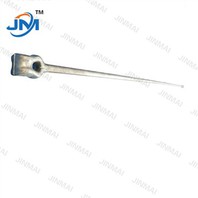
Pigtail eye bolts are essential components in various industries, especially those involved in cable management and construction. These bolts are responsible for providing a reliable connection point, ensuring the safety and stability of the entire system. However, one common issue that many users face is the loosening of pigtail eye bolts, which can lead to potential safety hazards and system failures. As a leading pigtail eye bolt supplier, I understand the importance of preventing this problem and ensuring the long - term performance of our products. In this blog, I will share some effective methods to prevent pigtail eye bolts from loosening.
Understanding the Causes of Loosening
Before we discuss the prevention methods, it's crucial to understand the reasons why pigtail eye bolts may loosen over time. The main causes include vibration, dynamic loading, and improper installation.
Vibration is a common factor that can cause bolts to loosen. In industrial settings, machinery often generates vibrations during operation. These vibrations can gradually cause the threads of the pigtail eye bolt to back out, reducing the clamping force that holds the components together.
Dynamic loading refers to the changing forces applied to the bolt. For example, in a cable system, the tension in the cables may fluctuate due to environmental factors such as wind or temperature changes. This dynamic loading can also contribute to the loosening of the bolts.
Improper installation is another major culprit. If the bolt is not tightened to the correct torque value or if the threads are not clean and lubricated properly, it is more likely to loosen over time.
Prevention Methods
1. Proper Installation
The first step in preventing pigtail eye bolts from loosening is to ensure proper installation. This involves several key aspects:


- Torque Application: Use a torque wrench to tighten the pigtail eye bolt to the manufacturer's recommended torque value. Over - tightening or under - tightening can both lead to problems. Under - tightening may result in insufficient clamping force, allowing the bolt to loosen easily. On the other hand, over - tightening can damage the threads or cause the bolt to break.
- Thread Preparation: Before installation, make sure the threads of the bolt and the mating surface are clean and free of debris. You can use a wire brush to clean the threads and a solvent to remove any grease or oil that may affect the clamping force. Additionally, applying a small amount of anti - seize compound to the threads can help prevent corrosion and make future removal easier.
- Backing Nuts: Consider using a backing nut, also known as a lock nut. A backing nut is tightened against the primary nut, creating a counter - force that resists vibration and prevents the primary nut from loosening. There are different types of backing nuts available, such as nylon - inserted lock nuts and prevailing - torque lock nuts.
2. Use of Locking Devices
There are several locking devices available that can effectively prevent pigtail eye bolts from loosening:
- Spring Washers: Spring washers are a simple and cost - effective solution. They work by applying a constant spring force to the nut or bolt head, which helps to maintain the clamping force. When the bolt is tightened, the spring washer is compressed, and it tries to return to its original shape, creating a tension that resists loosening.
- Lock Washers: Lock washers, such as split lock washers and toothed lock washers, have teeth or ridges that bite into the surface of the nut and the mating part. This creates a frictional force that prevents the nut from rotating and loosening.
- Thread Locking Compounds: Thread locking compounds are adhesives that are applied to the threads of the bolt. When the bolt is tightened, the compound fills the gaps between the threads, creating a strong bond that resists vibration and loosening. There are different types of thread locking compounds available, such as low - strength, medium - strength, and high - strength compounds. The choice of compound depends on the application and the ease of future disassembly required.
3. Regular Inspection and Maintenance
Regular inspection and maintenance are essential to ensure the long - term performance of pigtail eye bolts.
- Visual Inspection: Periodically inspect the pigtail eye bolts for signs of loosening, such as visible gaps between the nut and the mating surface or signs of corrosion. If you notice any issues, tighten the bolts immediately or replace them if necessary.
- Torque Checks: Use a torque wrench to check the tightness of the bolts at regular intervals. This can help you detect any early signs of loosening and take corrective action before it becomes a serious problem.
Related Products and Their Role in Prevention
In addition to the above methods, using related products can also contribute to preventing pigtail eye bolts from loosening.
- Cable Pole Hook: Cable pole hooks are often used in conjunction with pigtail eye bolts in cable systems. A well - designed cable pole hook can help distribute the load evenly, reducing the stress on the pigtail eye bolts. This can prevent excessive movement and vibration that may cause the bolts to loosen.
- Pig tail ball head: Pig tail ball heads are another important component. They provide a flexible connection point, which can absorb some of the dynamic forces in the system. By reducing the direct impact on the pigtail eye bolts, they can help prevent loosening.
- Pigtail Hook Bolts: Pigtail hook bolts have a unique design that can be more resistant to loosening compared to standard bolts. Their hook - shaped end provides additional stability and can better withstand dynamic loading.
Conclusion
Preventing pigtail eye bolts from loosening is crucial for the safety and reliability of various systems. By understanding the causes of loosening and implementing the prevention methods discussed in this blog, such as proper installation, use of locking devices, and regular inspection and maintenance, you can significantly reduce the risk of bolt loosening.
As a pigtail eye bolt supplier, we are committed to providing high - quality products and technical support to our customers. If you have any questions or need further assistance in preventing pigtail eye bolts from loosening or are interested in purchasing our products, please feel free to contact us for a detailed discussion. We look forward to working with you to ensure the success of your projects.
References
- "Mechanical Fasteners Handbook" - A comprehensive guide on fastener installation and maintenance.
- Industry standards on bolt torque and locking devices, such as ASME standards.