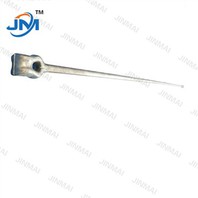
Cable components are the unsung heroes of our modern infrastructure, silently ensuring the seamless transmission of power, data, and signals. As a leading supplier of cable components, I've witnessed firsthand the importance of protecting these crucial elements from physical damage. In this blog, I'll share some practical strategies and insights to help you safeguard your cable components and maintain the integrity of your systems.
Understanding the Risks
Before we dive into the protection methods, it's essential to understand the common sources of physical damage to cable components. These can include:
- Mechanical Stress: This can occur during installation, maintenance, or due to environmental factors such as vibrations, impacts, or bending. For example, improper handling during installation can lead to kinks or breaks in the cables, while excessive vibration can cause fatigue and eventually lead to failure.
- Environmental Factors: Exposure to extreme temperatures, moisture, chemicals, and UV radiation can degrade the materials used in cable components, reducing their lifespan and performance. For instance, high temperatures can cause the insulation to melt or become brittle, while moisture can lead to corrosion and short circuits.
- Rodent and Insect Damage: Rodents and insects can chew through cables, causing significant damage and disruptions. This is particularly common in outdoor and underground installations, where cables are more accessible to these pests.
- Human Error: Accidental cuts, improper installation, or overloading can also cause physical damage to cable components. For example, using the wrong tools during installation can damage the cables, while overloading can cause overheating and premature failure.
Choosing the Right Components
One of the most effective ways to protect cable components from physical damage is to choose high-quality products that are designed to withstand the specific conditions of your application. When selecting cable components, consider the following factors:
- Material Quality: Look for components made from durable materials that are resistant to mechanical stress, environmental factors, and chemical corrosion. For example, cables with a high-quality insulation material such as polyethylene or polyvinyl chloride (PVC) are more resistant to damage and have a longer lifespan.
- Design and Construction: Choose components with a robust design and construction that can withstand the rigors of your application. For example, cables with a thick outer jacket and multiple layers of insulation are more resistant to mechanical stress and environmental factors.
- Certifications and Standards: Ensure that the components you choose meet the relevant industry standards and certifications. This ensures that they have been tested and approved for use in your application and are of high quality.
- Compatibility: Make sure that the components you choose are compatible with each other and with the rest of your system. This ensures that they will work together effectively and minimize the risk of damage.
Proper Installation and Maintenance
Proper installation and maintenance are crucial for protecting cable components from physical damage. Here are some tips to help you ensure that your cable components are installed and maintained correctly:
- Follow the Manufacturer's Instructions: Always follow the manufacturer's instructions when installing and maintaining cable components. This ensures that they are installed correctly and that you are using the right tools and techniques.
- Use the Right Tools and Equipment: Use the right tools and equipment for the job to minimize the risk of damage. For example, use cable cutters and strippers that are designed for the specific type of cable you are working with.
- Properly Secure Cables: Make sure that cables are properly secured to prevent them from moving or vibrating. This can help to reduce the risk of mechanical stress and damage.
- Inspect Regularly: Regularly inspect your cable components for signs of damage or wear. This can help you to identify and address any issues before they become serious problems.
- Perform Maintenance as Needed: Perform maintenance on your cable components as needed to keep them in good working condition. This can include cleaning, lubricating, and replacing worn or damaged parts.
Protecting Against Environmental Factors
Environmental factors can have a significant impact on the performance and lifespan of cable components. Here are some strategies to help you protect your cable components from environmental damage:
- Use Weatherproof Enclosures: For outdoor installations, use weatherproof enclosures to protect cable components from the elements. These enclosures can help to prevent moisture, dust, and debris from entering the components and causing damage.
- Install Cable Trays and Conduits: Cable trays and conduits can provide a physical barrier between the cables and the environment, protecting them from mechanical stress, environmental factors, and human interference.
- Use Heat Shrink Tubing: Heat shrink tubing can be used to protect cables from heat, moisture, and chemicals. It can also help to prevent abrasion and damage to the cables.
- Apply Protective Coatings: Applying a protective coating to cable components can help to prevent corrosion and damage from environmental factors. For example, a coating of epoxy or polyurethane can provide a barrier against moisture and chemicals.
Protecting Against Rodent and Insect Damage
Rodent and insect damage can be a significant problem in outdoor and underground installations. Here are some strategies to help you protect your cable components from these pests:
- Use Rodent-Resistant Cables: Look for cables that are specifically designed to be resistant to rodent damage. These cables typically have a tough outer jacket that is difficult for rodents to chew through.
- Install Cable Guards: Cable guards can be installed around cables to prevent rodents and insects from accessing them. These guards can be made from a variety of materials, such as metal or plastic, and can be customized to fit your specific application.
- Use Pest Control Measures: Implement pest control measures to reduce the population of rodents and insects in the area. This can include using traps, baits, or pesticides, as well as sealing any entry points to prevent pests from entering the area.
- Regularly Inspect for Damage: Regularly inspect your cable components for signs of rodent or insect damage. This can help you to identify and address any issues before they become serious problems.
Protecting Against Human Error
Human error can also cause physical damage to cable components. Here are some strategies to help you prevent human error and protect your cable components:
- Provide Training: Provide training to your employees on the proper installation, maintenance, and handling of cable components. This can help to ensure that they are using the right tools and techniques and are aware of the potential risks.
- Use Safety Procedures: Implement safety procedures to minimize the risk of human error. This can include using personal protective equipment (PPE), following proper lockout/tagout procedures, and using caution when working around cables.
- Label Cables and Components: Label cables and components clearly to make it easy to identify them and to prevent accidental cuts or damage. This can also help to ensure that the right components are being used in the right places.
- Have a Maintenance Schedule: Develop a maintenance schedule for your cable components and stick to it. This can help to ensure that they are regularly inspected and maintained, reducing the risk of damage and failure.
Conclusion
Protecting cable components from physical damage is essential for maintaining the integrity and performance of your systems. By choosing the right components, installing and maintaining them properly, and protecting them against environmental factors, rodent and insect damage, and human error, you can ensure that your cable components have a long lifespan and provide reliable service.


As a leading supplier of cable components, we offer a wide range of high-quality products that are designed to withstand the rigors of your application. Our Hardware Pole Line Hook, Pigtail Hook Bolts, and Cable Pole Hook are just a few examples of the products we offer. If you have any questions or need assistance in choosing the right cable components for your application, please don't hesitate to contact us. We'd be happy to help you protect your cable components and ensure the success of your project.
References
- National Electrical Code (NEC)
- Institute of Electrical and Electronics Engineers (IEEE) standards
- Underwriters Laboratories (UL) standards
- Cable manufacturers' product literature and specifications