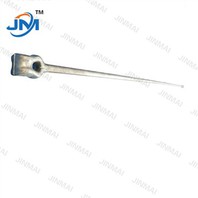
Hey there! I'm a supplier of Cable Pole Hooks, and I know firsthand how challenging it can be to secure these hooks in windy conditions. Windy weather can put a lot of stress on cable pole hooks, potentially leading to dislodgment, damage, or even safety hazards. In this blog post, I'll share some practical tips and strategies to help you secure your cable pole hooks effectively, even when the wind is blowing hard.
Understanding the Challenges of Windy Conditions
Before we dive into the solutions, let's take a moment to understand why windy conditions pose such a challenge for cable pole hooks. When the wind blows, it creates a force that can push, pull, and twist the hooks. This force can cause the hooks to loosen, vibrate, or even break free from the pole. Additionally, strong winds can carry debris, such as branches or leaves, which can collide with the hooks and cause damage.


Choosing the Right Cable Pole Hook
The first step in securing a cable pole hook in windy conditions is to choose the right hook for the job. Not all cable pole hooks are created equal, and some are better suited for windy environments than others. When selecting a hook, look for one that is made from high-quality materials, such as stainless steel or galvanized steel, which are resistant to corrosion and rust. Additionally, choose a hook that has a strong and secure design, with a wide opening and a tight grip.
One of the products we offer at our company is the Cable Pole Hook, which is specifically designed for use in windy conditions. This hook is made from high-strength stainless steel and features a unique locking mechanism that ensures a secure fit on the pole. The hook also has a wide opening, which makes it easy to install and remove, and a smooth surface, which reduces the risk of damage to the cable.
Proper Installation
Once you've chosen the right cable pole hook, the next step is to install it properly. Proper installation is crucial for ensuring the hook's stability and security, especially in windy conditions. Here are some tips to help you install your cable pole hook correctly:
- Choose the Right Location: Select a location on the pole that is strong and stable, and that is not likely to be affected by the wind. Avoid installing the hook near the top of the pole, where it may be more exposed to the wind, or near any branches or other objects that could interfere with the hook's operation.
- Clean the Surface: Before installing the hook, clean the surface of the pole where the hook will be attached. This will help to ensure a good grip and prevent the hook from slipping.
- Use the Right Tools: Use the appropriate tools for installing the hook, such as a drill, a wrench, and a screwdriver. Make sure the tools are in good condition and are the correct size for the hook.
- Follow the Instructions: Read and follow the manufacturer's instructions carefully when installing the hook. Make sure you understand all the steps and that you have all the necessary tools and materials.
- Tighten the Bolts: Once the hook is installed, tighten the bolts securely to ensure a tight fit. Use a torque wrench to ensure that the bolts are tightened to the correct specification.
Additional Support
In some cases, it may be necessary to provide additional support to the cable pole hook to ensure its stability and security in windy conditions. Here are some additional support options that you can consider:
- Pigtail Hook Bolts: Pigtail Hook Bolts are a type of bolt that can be used to provide additional support to the cable pole hook. These bolts are designed to be installed through the hook and into the pole, providing a secure anchor point.
- Pig Tail Ball Head: Pig tail ball head are another type of support that can be used to provide additional stability to the cable pole hook. These bolts are designed to be installed through the hook and into the pole, providing a flexible connection that can help to absorb the shock of the wind.
- Guy Wires: Guy wires are cables that are attached to the pole and to the ground to provide additional support and stability. These wires can be used to help prevent the pole from swaying or tipping over in windy conditions.
Regular Inspection and Maintenance
Finally, it's important to regularly inspect and maintain your cable pole hooks to ensure their continued performance and safety. Here are some tips to help you inspect and maintain your hooks:
- Inspect the Hooks Regularly: Check the hooks regularly for signs of damage, such as cracks, bends, or corrosion. If you notice any damage, replace the hook immediately.
- Tighten the Bolts: Check the bolts on the hooks regularly to make sure they are tight. If the bolts are loose, tighten them using a wrench.
- Clean the Hooks: Clean the hooks regularly to remove any dirt, debris, or corrosion. Use a mild detergent and a soft brush to clean the hooks, and then rinse them thoroughly with water.
- Lubricate the Hooks: Lubricate the hooks regularly to prevent them from rusting and to ensure smooth operation. Use a high-quality lubricant, such as silicone spray or WD-40, and apply it to the hooks according to the manufacturer's instructions.
Conclusion
Securing a cable pole hook in windy conditions can be a challenging task, but it's not impossible. By choosing the right hook, installing it properly, providing additional support, and regularly inspecting and maintaining it, you can ensure the stability and security of your hooks, even in the most challenging weather conditions.
If you're looking for high-quality cable pole hooks and other cable components, look no further than our company. We offer a wide range of products that are designed to meet the needs of our customers, and we're committed to providing excellent customer service and support. Contact us today to learn more about our products and to discuss your specific requirements. We'd love to hear from you!
References
- Manufacturer's instructions for cable pole hooks
- Industry standards and best practices for securing cable pole hooks in windy conditions
- Personal experience and expertise as a cable pole hook supplier