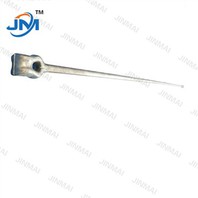
Hey there! As a supplier of Bolt Wire Clamps, I often get asked, "How do I choose the right Bolt Wire Clamp for my needs?" Well, you've come to the right place. In this blog, I'll break down the key factors you should consider when making this important decision.
Understanding Your Application
First things first, you need to understand the specific application for which you're buying the Bolt Wire Clamp. Are you working on an electrical power project, a construction site, or maybe a DIY home improvement task? Different applications have different requirements.
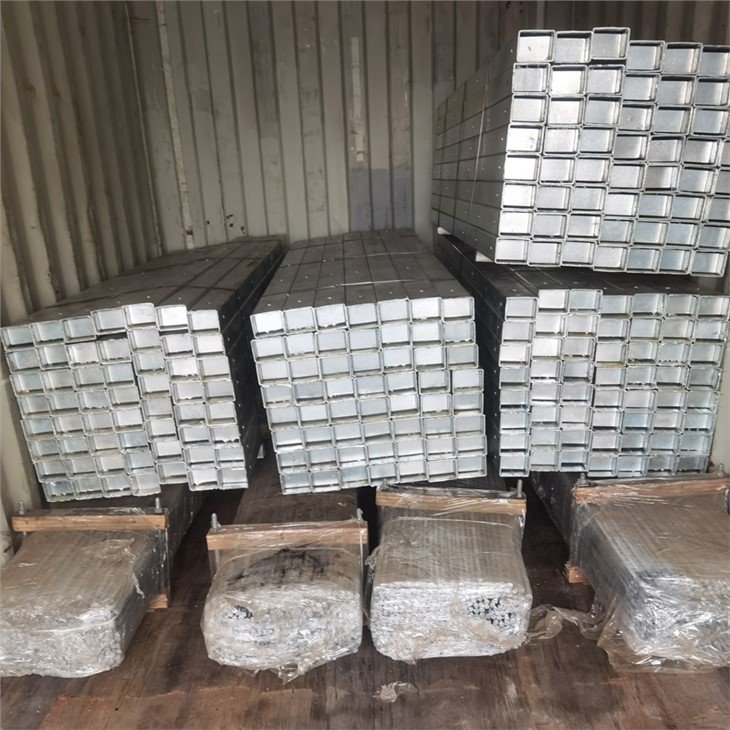
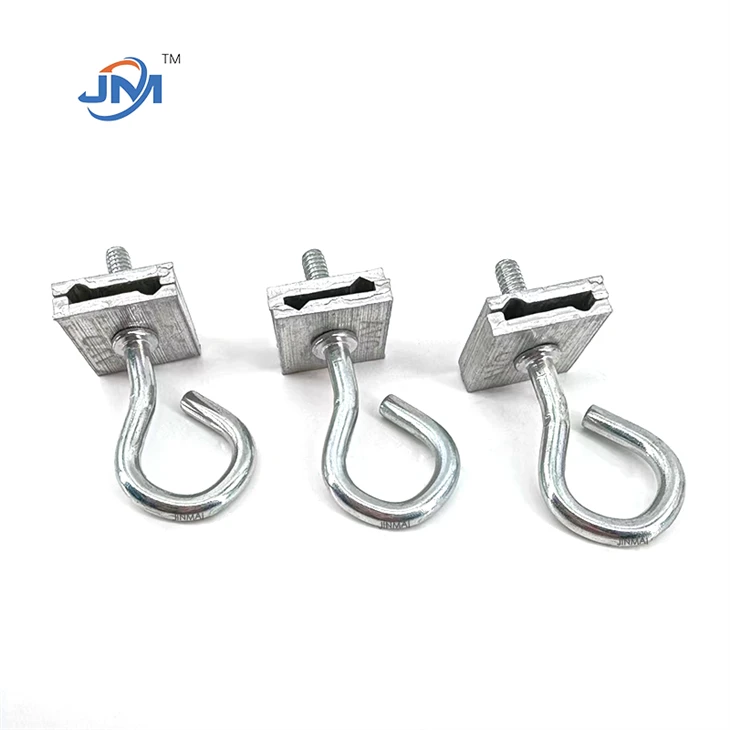
For electrical power projects, you'll need clamps that can handle high - voltage wires and provide a secure connection. The Bolts Aluminium Clamp Tension Clamp is a great option here. It's designed to hold wires firmly in place, even under tension, and is made of aluminium, which is corrosion - resistant and lightweight. This makes it ideal for outdoor electrical installations where the clamp will be exposed to the elements.
If you're working on a construction project, you might need clamps to secure wires or cables to structures. In this case, you'll want a clamp that can withstand mechanical stress. A clamp with a strong bolt and a sturdy body material like steel will be your best bet.
Wire Size and Type
The size and type of the wire you're using are crucial factors. You need to make sure the Bolt Wire Clamp you choose can accommodate the diameter of your wire. Most clamps are rated for a specific range of wire sizes, so check the product specifications carefully.
For example, if you're using a thick, heavy - duty wire, a small - sized clamp won't do the job. It won't be able to hold the wire securely, which could lead to loose connections and potential safety hazards. On the other hand, using an oversized clamp for a thin wire might not provide a tight enough grip.
There are also different types of wires, such as copper, aluminium, and fiber - optic. Each type has its own characteristics, and you need to choose a clamp that's compatible with your wire type. Copper wires are more conductive but can be more prone to corrosion in certain environments. Aluminium wires are lightweight and less expensive but require special clamps to prevent galvanic corrosion.
Material and Durability
The material of the Bolt Wire Clamp plays a big role in its durability. As I mentioned earlier, aluminium is a popular choice for electrical applications because of its corrosion resistance. Steel is another common material, especially for construction and industrial uses. It's strong and can withstand a lot of wear and tear.
However, steel can rust if it's not properly coated or treated. So, if you're using a steel clamp in a wet or humid environment, look for one that has a protective coating, like galvanization.
Some clamps are also made of plastic. Plastic clamps are lightweight, inexpensive, and non - conductive, which makes them suitable for low - voltage electrical applications or for organizing cables in a home or office setting. But they might not be as durable as metal clamps and may not be suitable for heavy - duty use.
Installation and Ease of Use
You don't want to spend hours trying to install a Bolt Wire Clamp. Look for a clamp that's easy to install. Some clamps come with pre - drilled holes and simple bolt - on designs, which can save you a lot of time and effort.
If you're working on a large project, you might also want to consider the speed of installation. A clamp that can be quickly and easily attached to the wire will increase your productivity.
Compatibility with Other Components
In many cases, the Bolt Wire Clamp will need to work in conjunction with other components, such as Square Steel Cross Arm or Embrace Hoop Retractor. Make sure the clamp you choose is compatible with these other parts.
For example, if you're using a Square Steel Cross Arm to support wires, the clamp should be able to fit securely onto the cross - arm. Similarly, if you're using an Embrace Hoop Retractor to tension the wires, the clamp should work well with the retractor's mechanism.
Cost - Effectiveness
Last but not least, you need to consider the cost. While you don't want to skimp on quality, you also don't want to overspend. Compare the prices of different Bolt Wire Clamps, taking into account their features, durability, and compatibility.
Sometimes, a slightly more expensive clamp might be a better investment in the long run. It could last longer, require less maintenance, and provide a more reliable connection. On the other hand, if you're working on a short - term project or a budget - conscious job, a more affordable clamp might be the way to go.
Conclusion
Choosing the right Bolt Wire Clamp for your needs isn't rocket science, but it does require some careful consideration. By understanding your application, wire size and type, material and durability, installation requirements, compatibility with other components, and cost - effectiveness, you can make an informed decision.
If you're still not sure which Bolt Wire Clamp is right for you, don't hesitate to reach out. We're here to help you find the perfect clamp for your project. Whether you're an electrical contractor, a construction worker, or a DIY enthusiast, we've got the expertise and the products to meet your needs. Contact us today to start discussing your requirements and get the best Bolt Wire Clamp for your job.
References
- Electrical Power Fittings Handbook
- Construction Materials and Their Applications Guide
- DIY Home Improvement Manuals