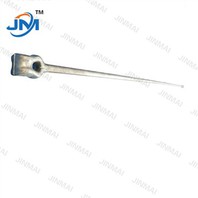
Hey there! I'm a supplier of forged eye bolts, and I've seen firsthand how crucial it is to store these products properly. In this blog, I'll share some practical tips on how to store forged eye bolts effectively, ensuring their quality and longevity.
Why Proper Storage Matters
Before we dive into the storage methods, let's talk about why it's so important to store forged eye bolts correctly. Forged eye bolts are used in a wide range of applications, from construction to marine industries. They need to be in top - notch condition to perform their job safely and efficiently.
Improper storage can lead to various issues. Rust and corrosion are the most common problems. If eye bolts are exposed to moisture, oxygen, and other corrosive elements, they can start to rust, which weakens the metal and reduces the bolt's strength. This can compromise the safety of any structure or equipment where the eye bolts are used.
Dents, scratches, and other physical damages can also occur during storage. These damages can affect the bolt's integrity and make it less reliable. So, proper storage is not just about keeping the bolts looking good; it's about maintaining their functionality and safety.
Choose the Right Storage Location
The first step in proper storage is to pick the right location. You want a place that's dry, clean, and well - ventilated.
Dryness: Moisture is the enemy of forged eye bolts. A damp environment can cause rust to form quickly. If possible, store the eye bolts in a climate - controlled area where you can keep the humidity levels low. Basements and uninsulated sheds are usually bad choices because they tend to be damp. A storage room with a dehumidifier can be a great option.
Cleanliness: The storage area should be free from dirt, dust, and debris. Dirt can scratch the surface of the eye bolts and also hold moisture, increasing the risk of corrosion. Regularly clean the storage shelves or racks to keep them in good condition.
Ventilation: Good ventilation helps to prevent the buildup of moisture and harmful gases. It allows fresh air to circulate around the eye bolts, keeping them dry and reducing the risk of corrosion. Make sure there are enough vents in the storage area or use fans to improve air circulation.
Use Appropriate Storage Containers
Once you've found the right location, it's time to choose the right storage containers.
Plastic Containers: Plastic storage containers are a popular choice. They're lightweight, inexpensive, and can keep out dust and moisture. Look for containers with tight - fitting lids to provide an extra layer of protection. You can label the containers with the type, size, and quantity of eye bolts inside, making it easy to find what you need.
Metal Cabinets: If you have a large quantity of forged eye bolts, metal cabinets can be a good option. They're more durable than plastic containers and can offer better protection against physical damage. Make sure the metal cabinets are coated to prevent rusting.
Cardboard Boxes: Cardboard boxes can work for short - term storage, but they're not ideal for long - term use. They can absorb moisture and are easily damaged. If you use cardboard boxes, place the eye bolts in plastic bags first to protect them from moisture.
Organize the Eye Bolts
Proper organization is key to efficient storage. Here are some ways to organize your forged eye bolts:


By Size: Group the eye bolts by size. This makes it easy to find the right bolt when you need it. You can use dividers in the storage containers or separate shelves for different sizes.
By Type: Different types of forged eye bolts may have different storage requirements. For example, some eye bolts may be hot - dipped galvanized for extra corrosion resistance, while others may have a different coating. Group them by type to ensure they're stored under the right conditions.
Protect the Eye Bolts from Corrosion
Even if you've chosen the right storage location and containers, you still need to take steps to protect the eye bolts from corrosion.
Coatings: Many forged eye bolts come with a protective coating, such as hot - dip galvanizing or a paint finish. Make sure not to damage these coatings during storage. If you notice any damaged coatings, you can touch them up with the appropriate paint or coating to prevent rust from starting.
Desiccants: Placing desiccant packets in the storage containers can help absorb moisture. Silica gel packets are a common and effective desiccant. You can buy them in bulk and place a few in each container.
Additional Tips
Here are some other tips to keep in mind when storing forged eye bolts:
Avoid Over - stacking: Over - stacking the eye bolts can cause physical damage, especially if the bottom bolts are under a lot of pressure. Make sure to stack them in a way that distributes the weight evenly.
Inspect Regularly: Regularly inspect the eye bolts for signs of rust, damage, or other issues. If you catch a problem early, you can take steps to fix it before it gets worse.
Related Products
If you're in the market for other hot - dip galvanized products, check out our Preformed Armor Rod, Extension Ring, and Pig tail Bolt. These products also require proper storage to maintain their quality.
Conclusion
Storing forged eye bolts properly is essential for maintaining their quality, functionality, and safety. By choosing the right storage location, using appropriate containers, organizing them well, and protecting them from corrosion, you can ensure that your eye bolts will be in good condition when you need them.
If you're interested in purchasing high - quality forged eye bolts or have any questions about storage or our products, feel free to reach out. We're here to help you find the right solutions for your needs.
References
- "Handbook of Fasteners and Their Applications" by H. A. Rothbart and T. H. Brown
- Industry standards and guidelines for forged eye bolts storage