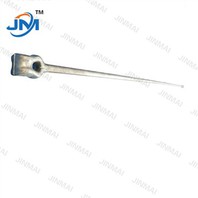
Aerial dielectric self-supporting (ADSS) cables are widely used in power communication systems due to their excellent electrical insulation properties and self - supporting capabilities. ADSS cable fittings play a crucial role in ensuring the proper installation and long - term operation of these cables. One of the key performance indicators of ADSS cable fittings is their abrasion resistance. In this blog, as a supplier of ADSS Cable Fittings, I will delve into what the abrasion resistance of ADSS cable fittings is, its importance, and how it impacts the overall performance of the cable system.
What is Abrasion Resistance?
Abrasion resistance refers to the ability of a material or product to withstand wear and tear caused by friction when it comes into contact with other surfaces. For ADSS cable fittings, abrasion can occur due to various factors. Wind - induced vibrations can cause the fittings to rub against the cable or other nearby structures. Birds or other wildlife may also cause physical abrasion when they perch or move on the fittings. Additionally, during the installation process, if the fittings are not handled carefully, they may scrape against rough surfaces, leading to abrasion.
The abrasion resistance of ADSS cable fittings is determined by the materials used in their manufacturing and the design of the fittings. High - quality materials with good hardness and toughness are more likely to resist abrasion. For example, some fittings are made of stainless steel, which has relatively high abrasion resistance compared to ordinary steel. The surface treatment of the fittings also plays a role. Coatings such as galvanization can enhance the abrasion resistance of the fittings by providing a protective layer.
Importance of Abrasion Resistance in ADSS Cable Fittings
The abrasion resistance of ADSS cable fittings is of great significance for several reasons. Firstly, it directly affects the service life of the fittings. If the fittings are easily abraded, they may lose their structural integrity over time. For instance, a fitting that is severely abraded may develop cracks or holes, which can weaken its mechanical strength. This can lead to the failure of the fitting to properly support the ADSS cable, increasing the risk of cable sagging or even detachment from the supporting structure.
Secondly, abrasion can cause damage to the ADSS cable itself. When the fittings are abraded, sharp edges or rough surfaces may be formed. These can scratch the outer sheath of the ADSS cable, compromising its protective function. Once the outer sheath is damaged, moisture and other contaminants can penetrate the cable, affecting its electrical performance and potentially leading to signal loss or short - circuits.
Moreover, maintaining the abrasion resistance of ADSS cable fittings is crucial for the reliability of the entire power communication system. A failure in the cable fittings can disrupt the communication network, causing significant economic losses and inconvenience. Therefore, ensuring high abrasion resistance of the fittings is essential for the long - term stable operation of the system.
Factors Affecting Abrasion Resistance
Material Selection
As mentioned earlier, the choice of materials is a primary factor influencing the abrasion resistance of ADSS cable fittings. Metals such as aluminum alloy and stainless steel are commonly used. Aluminum alloy is lightweight and has good corrosion resistance, but its abrasion resistance may be relatively lower compared to stainless steel. Stainless steel, on the other hand, has excellent hardness and toughness, making it more resistant to abrasion. However, stainless steel is more expensive than aluminum alloy, so a balance needs to be struck between cost and performance.
Surface Treatment
Surface treatment can significantly improve the abrasion resistance of ADSS cable fittings. Galvanization is a common surface treatment method. By coating the fittings with a layer of zinc, it not only provides corrosion protection but also enhances the surface hardness, reducing the likelihood of abrasion. Another surface treatment option is powder coating. Powder coating can form a thick and durable protective layer on the surface of the fittings, which can effectively resist abrasion.
Design of the Fittings
The design of the ADSS cable fittings also affects their abrasion resistance. Fittings with smooth surfaces and rounded edges are less likely to cause abrasion. For example, some well - designed fittings have a streamlined shape, which reduces the impact of wind - induced vibrations and minimizes the friction between the fitting and the cable. Additionally, the contact area between the fitting and the cable should be optimized. A larger and evenly distributed contact area can reduce the pressure per unit area, thereby reducing the risk of abrasion.
Testing Abrasion Resistance
To ensure the quality of ADSS cable fittings, abrasion resistance testing is often carried out. There are several testing methods available. One common method is the Taber abrasion test. In this test, a rotating abrasive wheel is applied to the surface of the fitting under a specified load for a certain number of revolutions. The amount of material loss is then measured to evaluate the abrasion resistance of the fitting.
Another method is the sandpaper abrasion test. In this test, the fitting is rubbed against a sandpaper with a specific grit under a constant force. The number of rubs required to cause visible abrasion on the fitting is recorded. These tests can provide valuable information about the abrasion resistance performance of the fittings, allowing manufacturers to improve their products and ensure that they meet the required standards.
Types of ADSS Cable Fittings and Their Abrasion Resistance
Parallel Groove Clamp
Parallel Groove Clamps are used to connect two ADSS cables or to connect a cable to a terminal. Parallel Groove Clamp typically need to have good abrasion resistance because they are in direct contact with the cable. The contact surfaces of the clamp should be smooth to avoid scratching the cable. High - quality parallel groove clamps are usually made of materials with good abrasion resistance, such as tinned copper or aluminum alloy with proper surface treatment.
Stay Rod Thimbal
Stay Rod Thimbals are used to support the stay rods in the ADSS cable system. Stay Rod Thimbal are often exposed to harsh environmental conditions and may be subject to abrasion from wind - blown debris or the movement of the stay rods. Therefore, they need to be made of materials that can withstand such abrasion. Stainless steel or galvanized steel is commonly used for stay rod thimbals to ensure their long - term durability.
Bow type anchor rod
Bow type anchor rods are used to anchor the ADSS cable to the supporting structure. Bow type anchor rod need to have high abrasion resistance as they are in contact with the cable and the supporting structure. The shape of the bow type anchor rod should be designed to minimize friction and abrasion. Materials with high strength and abrasion resistance, such as alloy steel, are often used for their manufacturing.
Enhancing Abrasion Resistance in Practice
As a supplier of ADSS Cable Fittings, we take several measures to enhance the abrasion resistance of our products. Firstly, we carefully select high - quality materials. We source materials from reliable suppliers and conduct strict quality inspections to ensure that the materials meet our standards. For example, we use stainless steel with a high chromium content for some of our fittings, which provides excellent abrasion resistance.


Secondly, we pay great attention to surface treatment. Our galvanization process is carried out in strict accordance with industry standards to ensure a uniform and thick zinc coating. We also offer powder - coated fittings for customers who require enhanced abrasion resistance.
In addition, we continuously improve the design of our fittings. Our R & D team uses advanced design software to optimize the shape and structure of the fittings. We conduct simulations and tests to ensure that the fittings have a smooth surface and a reasonable contact area with the cable.
Conclusion
The abrasion resistance of ADSS cable fittings is a critical factor that affects the performance and service life of the ADSS cable system. By understanding what abrasion resistance is, its importance, and the factors that affect it, we can take appropriate measures to enhance the abrasion resistance of the fittings. As a supplier of ADSS Cable Fittings, we are committed to providing high - quality products with excellent abrasion resistance. If you are in need of ADSS cable fittings, we invite you to contact us for further discussion and procurement. We are confident that our products will meet your requirements and contribute to the reliable operation of your power communication system.
References
- Electrical Power Fittings Handbook
- Standards for ADSS Cable Installation and Maintenance
- Research Papers on Abrasion Resistance of Metals in Power Systems