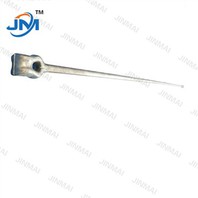
As a seasoned supplier of line iron parts, I understand the critical importance of safely transporting large-sized line iron parts. These components are often integral to various infrastructure projects, and any damage during transit can lead to significant delays and additional costs. In this blog post, I'll share some valuable insights and best practices on how to ensure the safe transportation of these hefty items.
Understanding the Challenges
Large-sized line iron parts present a unique set of challenges when it comes to transportation. Their size and weight require careful planning and specialized equipment. These parts are often bulky and irregularly shaped, which can make them difficult to secure properly. Additionally, they may be susceptible to damage from vibrations, impacts, and environmental factors such as moisture and corrosion.
Pre - transportation Planning
Assessment of the Parts
Before transportation begins, a thorough assessment of the line iron parts is essential. This includes measuring the dimensions, weight, and center of gravity of each part. Understanding these characteristics will help in determining the appropriate packaging, handling equipment, and transportation mode. For example, if a part has a high center of gravity, it may require additional bracing to prevent tipping during transit.
Route Planning
Selecting the right route is crucial for the safe transportation of large-sized line iron parts. Consider factors such as road conditions, traffic patterns, and any potential obstacles or restrictions. Avoid routes with low bridges, sharp turns, or narrow roads that may pose a risk to the safe passage of the load. It's also important to check for any construction or maintenance work along the route that could cause delays or disruptions.


Packaging
Proper packaging is the first line of defense in protecting large-sized line iron parts during transportation. Use high - quality materials such as wooden crates, steel frames, or custom - made foam inserts to cushion the parts and prevent them from shifting or colliding with each other. For parts that are prone to corrosion, apply a protective coating or use moisture - resistant packaging materials.
Loading and Securing
Loading Equipment
Use appropriate loading equipment such as cranes, forklifts, or hydraulic lifts to safely load the line iron parts onto the transportation vehicle. Ensure that the equipment is in good working condition and operated by trained personnel. When using a crane, make sure the lifting slings or hooks are properly attached to the parts and can support the weight without causing damage.
Securing the Load
Once the parts are loaded, they must be securely fastened to the transportation vehicle. Use straps, chains, or cables to prevent the parts from moving during transit. The securing points should be strong and properly located to distribute the forces evenly. For example, when using straps, make sure they are tightened to the appropriate tension and have a sufficient safety factor.
Transportation Mode Selection
Trucks
Trucks are a common mode of transportation for large-sized line iron parts. They offer flexibility in terms of route selection and can deliver the parts directly to the destination. However, it's important to choose a truck with the appropriate weight capacity and trailer type. Flatbed trailers are often used for transporting large and heavy parts as they provide a stable platform for loading and securing.
Rail
Rail transportation can be a cost - effective and efficient option for long - distance shipments of large-sized line iron parts. Railcars can carry heavy loads and are less affected by traffic congestion. However, rail transportation may require additional handling at the loading and unloading points, and there may be limitations on the size and shape of the parts that can be transported.
Shipping Containers
For international or long - distance shipments, shipping containers can be a good choice. They provide protection from the elements and can be easily transferred between different modes of transportation. Make sure the parts are properly packed and secured inside the container to prevent damage during handling and transit.
Monitoring During Transit
Tracking Systems
Use tracking systems to monitor the location and condition of the line iron parts during transit. GPS tracking can provide real - time information on the vehicle's location, speed, and route. Additionally, sensors can be installed to monitor factors such as temperature, humidity, and vibration. This data can help detect any potential issues early and take appropriate action to prevent damage.
Regular Inspections
Schedule regular inspections during transit to check the condition of the load and the securing devices. If any issues are detected, such as loose straps or signs of damage, they should be addressed immediately. Inspections can be carried out at rest stops or during scheduled maintenance breaks.
Unloading and Installation
Unloading Procedures
Follow proper unloading procedures to ensure the safe removal of the line iron parts from the transportation vehicle. Use the same loading equipment as during loading and make sure the parts are handled carefully. Once unloaded, the parts should be stored in a safe and dry location until they are ready for installation.
Installation Considerations
During installation, make sure the parts are installed correctly according to the manufacturer's specifications. Any damage or defects discovered during installation should be reported immediately to the supplier. Proper installation is crucial for the long - term performance and safety of the infrastructure project.
Related Products
In addition to large - sized line iron parts, we also offer a range of related products such as High Temperature Resistant Insulator Bracket, Split Body Turnbuckle Bolts Hot Dip Galvanized / Electro Galvanized, and Way Anchor Expanding. These products are designed to work in conjunction with our line iron parts and can enhance the overall performance and safety of your projects.
Conclusion
Safely transporting large - sized line iron parts requires careful planning, proper packaging, secure loading, and vigilant monitoring during transit. By following the best practices outlined in this blog post, you can minimize the risk of damage and ensure the timely delivery of high - quality parts to your projects. If you have any questions or are interested in purchasing our line iron parts or related products, please feel free to contact us for a detailed discussion and procurement negotiation.
References
- "Transportation of Heavy and Oversized Loads" - Federal Highway Administration
- "Best Practices for Packaging and Shipping Industrial Parts" - Institute of Packaging Professionals
- "Guidelines for Securing Cargo on Trucks and Trailers" - Department of Transportation