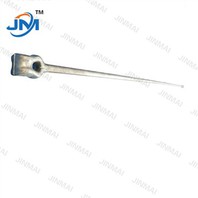
Hey there, folks! As a supplier of Steel Flat Arms, I know how crucial it is to transport these items safely. Steel flat arms are used in a wide range of industries, from construction to manufacturing. They're sturdy, reliable, and essential for many projects. But getting them to their destination in one piece can be a real challenge. So, in this blog post, I'm going to share some tips on how to transport steel flat arms safely.
Pre - Transport Preparation
First things first, you've got to do a thorough inspection of the steel flat arms before you even think about transporting them. Check for any signs of damage, like cracks, bends, or rust. If you find any issues, it's best to address them right away. You don't want to ship out damaged products, as it can lead to problems for your customers and a bad reputation for your business.
Once you've inspected the steel flat arms, it's time to clean them. Dirt, debris, and grease can not only make the arms look bad but also cause corrosion over time. Use a high - pressure washer or a suitable cleaning agent to get them spick and span.
Next up, proper packaging is key. You need to protect the steel flat arms from scratches, dents, and other forms of damage during transit. You can use bubble wrap, foam padding, or even custom - made wooden crates. The packaging should be snug enough to keep the arms from moving around but not so tight that it causes any damage.
Choosing the Right Transportation Method
When it comes to transporting steel flat arms, you've got a few options. The most common ones are trucks, trains, and ships. The choice depends on several factors, such as the distance, the quantity of the steel flat arms, and the urgency of the delivery.
If you're transporting a relatively small quantity of steel flat arms over a short distance, a truck is probably your best bet. Trucks are flexible and can reach almost any destination. They also offer faster delivery times compared to trains and ships. Make sure to choose a reliable trucking company that has experience in transporting heavy and bulky items.
For long - distance transportation and large quantities, trains or ships might be more cost - effective. Trains can carry a significant amount of freight at once, and they're relatively stable, reducing the risk of damage. Ships are also a great option for international deliveries. However, shipping via trains or ships takes longer, so you've got to plan your delivery schedule accordingly.
Loading and Securing the Steel Flat Arms
Loading the steel flat arms onto the transport vehicle is another critical step. You need to ensure that the arms are placed evenly and in an orderly manner. Don't just throw them on the truck or train haphazardly. Use a forklift or other appropriate lifting equipment to handle the steel flat arms safely.
Once the arms are loaded, it's essential to secure them properly. You don't want them shifting during transit, as this can cause damage to the arms themselves and the transport vehicle. You can use straps, chains, or ropes to secure the steel flat arms. Make sure the restraints are tight enough to prevent movement but not so tight that they cause dents or other damage.
If you're using a truck, you can also place the steel flat arms against the sides or the bulkhead to provide additional support. For trains, follow the railway's safety guidelines for securing freight. And if you're shipping by sea, the shipping company will have specific procedures for packing and securing cargo.
Climate and Environmental Considerations
Steel is susceptible to corrosion, especially in humid or wet environments. So, when transporting steel flat arms, you need to take climate and environmental factors into account. If you're transporting the arms in rainy or high - humidity conditions, make sure they're well - protected. You can use waterproof covers or store them in a climate - controlled container.
Extreme temperatures can also affect the integrity of the steel flat arms. In very cold temperatures, steel can become brittle, increasing the risk of cracking. In hot temperatures, the metal can expand, which might cause problems if the arms are tightly packed. Try to schedule your transportation during more moderate weather conditions if possible.
Insurance and Tracking
No matter how careful you are, there's always a small risk of something going wrong during transportation. That's why it's a good idea to get insurance for your steel flat arms. Insurance can provide financial protection in case of damage, loss, or theft during transit.

Tracking is also important. Most modern transportation companies offer tracking services, which allow you to monitor the location and status of your shipment in real - time. This way, you can keep your customers informed and address any issues that may arise promptly.
Related Products
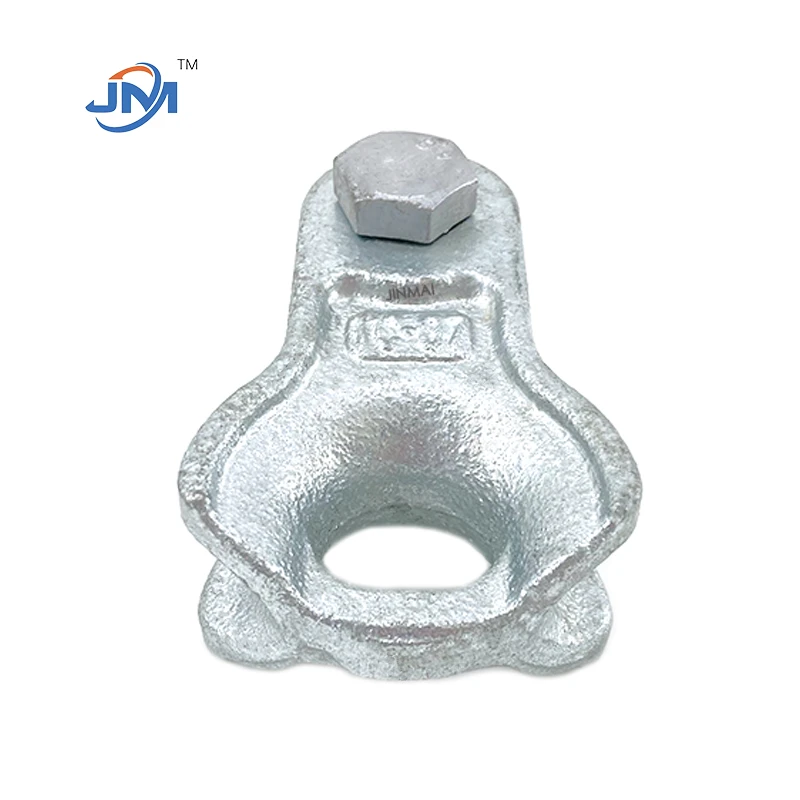
If you're in the market for other metal stamping parts, we've got some great options. Check out our Way Anchor Expanding, which is a high - quality product for various applications. The Hot Dip Galvanized Steel Twisted Strap Clevis For Over Head Line Accessories is also a fantastic choice for overhead line projects. And for power fittings, our Power Fittings Thimble Clevis is a top - notch product.
Conclusion and Call to Action
Transporting steel flat arms safely requires careful planning, proper preparation, and attention to detail. By following the tips I've shared in this blog post, you can minimize the risk of damage and ensure that your products arrive at their destination in perfect condition.
If you're interested in purchasing our steel flat arms or any of our other metal stamping parts, I encourage you to reach out. We're here to provide you with high - quality products and excellent customer service. Let's start a conversation about how we can meet your needs and help you with your projects.
References
- "Guide to Transportation of Metals": A handbook on best practices in metal transportation.
- "Steel 101: Properties and Care": A comprehensive resource on steel properties and how to handle it.