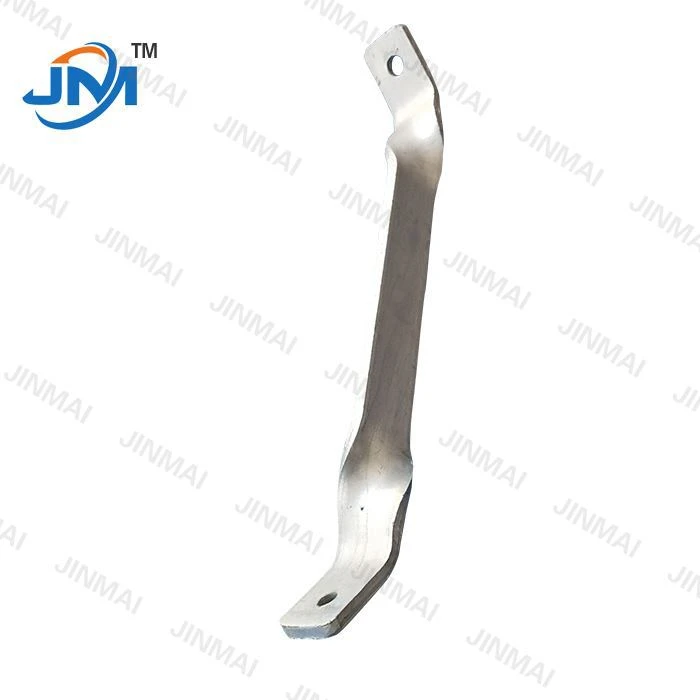
Steel flat arms are essential components in various industries, especially in the electrical and construction sectors. As a leading steel flat arms supplier, I often encounter questions regarding the hardness of these products. Understanding the hardness of steel flat arms is crucial as it directly impacts their performance, durability, and suitability for different applications.
Understanding Steel Hardness
Before delving into the hardness of steel flat arms, it is essential to understand what hardness means in the context of steel. Hardness is a measure of a material's resistance to local deformation, such as indentation, scratching, or wear. In steel, hardness is primarily determined by its chemical composition, heat treatment, and microstructure.
The most common methods used to measure steel hardness include the Rockwell, Brinell, and Vickers hardness tests. Each test measures hardness in a slightly different way, but they all provide a numerical value that indicates the material's resistance to deformation.
Factors Affecting the Hardness of Steel Flat Arms
The hardness of steel flat arms is influenced by several factors, including the type of steel used, the manufacturing process, and the heat treatment.
Type of Steel
There are different types of steel that can be used to manufacture flat arms, each with its own unique properties and hardness levels. For example, carbon steel is a popular choice due to its high strength and relatively low cost. The hardness of carbon steel can vary depending on its carbon content, with higher carbon steels generally being harder. Alloy steels, on the other hand, contain additional elements such as chromium, nickel, and molybdenum, which can enhance their hardness, strength, and corrosion resistance.
Manufacturing Process
The manufacturing process also plays a significant role in determining the hardness of steel flat arms. Cold rolling, for instance, involves passing the steel through rollers at room temperature, which can increase its hardness and strength through work hardening. Hot rolling, on the other hand, is performed at high temperatures, which can result in a more ductile and less hard material.
Heat Treatment
Heat treatment is a crucial step in the manufacturing of steel flat arms as it allows for precise control of the material's hardness and other properties. Common heat treatment processes include annealing, quenching, and tempering. Annealing involves heating the steel to a specific temperature and then slowly cooling it to relieve internal stresses and improve its ductility. Quenching, on the other hand, involves rapidly cooling the steel from a high temperature to increase its hardness. However, quenched steel can be very brittle, so it is often tempered to reduce its brittleness and improve its toughness.
Importance of Hardness in Steel Flat Arms
The hardness of steel flat arms is of utmost importance as it affects their performance and longevity in various applications.
Structural Integrity
In applications where steel flat arms are used to support heavy loads or structures, such as in Pole Line Hardware, high hardness is essential to ensure their structural integrity. Harder steel flat arms are more resistant to deformation and can better withstand the forces exerted on them without bending or breaking.
Wear Resistance
Steel flat arms that are exposed to friction or abrasion, such as in adjustable components, require high hardness to resist wear. For example, Adjustable Bow Type Stay Rod With Base Plate Hot Dip Galvanized OEM Products often experience repeated movement and contact, which can cause wear over time. Harder steel can reduce the rate of wear and extend the lifespan of these components.
Corrosion Resistance
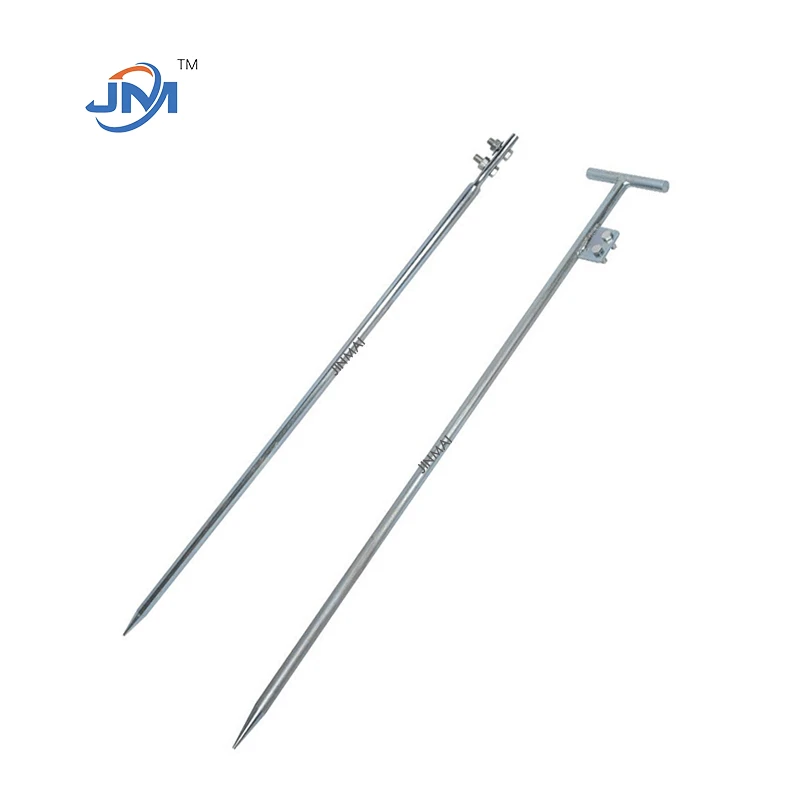
In some cases, the hardness of steel flat arms can also affect their corrosion resistance. Harder steels may have a more compact and uniform microstructure, which can provide better protection against corrosion. For example, Galvanized Steel Grounding Rods For Power Line Hardware are often made from steel with a certain level of hardness to ensure both strength and corrosion resistance in outdoor environments.
Selecting the Right Hardness for Your Application
When selecting steel flat arms, it is important to choose the right hardness for your specific application. This requires a thorough understanding of the operating conditions, load requirements, and environmental factors that the flat arms will be exposed to.
For applications where high strength and wear resistance are required, such as in heavy machinery or industrial equipment, a harder steel flat arm may be more suitable. However, if the application requires more flexibility or ductility, a softer steel may be a better choice.
It is also important to consider the cost and availability of the steel. Higher hardness steels may be more expensive due to the additional processing required, so it is necessary to balance performance requirements with cost considerations.
Conclusion
As a steel flat arms supplier, I understand the importance of providing products with the right hardness for each customer's specific needs. The hardness of steel flat arms is a critical factor that affects their performance, durability, and suitability for various applications. By understanding the factors that influence hardness and the importance of selecting the right hardness for your application, you can ensure that you get the most out of your steel flat arms.
If you are in the market for high-quality steel flat arms or have any questions about their hardness and suitability for your application, please feel free to contact us. We are dedicated to providing the best products and services to meet your requirements and look forward to discussing your needs in detail.
References
- Callister, W. D., & Rethwisch, D. G. (2016). Materials Science and Engineering: An Introduction. Wiley.
- ASM Handbook Committee. (1990). ASM Handbook: Volume 1: Properties and Selection: Irons, Steels, and High-Performance Alloys. ASM International.