Using steel cross arms in mountainous areas presents a unique set of challenges that need to be carefully considered. As a steel cross arm supplier, I have witnessed firsthand the complexities that come with installing and maintaining these crucial components in such demanding terrains.
1. Harsh Topographical Conditions
Mountainous regions are characterized by uneven terrains, steep slopes, and rugged landscapes. These topographical features make the installation of steel cross arms extremely difficult. Unlike flat areas where equipment and materials can be easily transported and maneuvered, mountainous areas often lack proper roads or infrastructure. This means that getting the steel cross arms to the installation sites can be a logistical nightmare. Specialized transportation methods, such as helicopters or mules in some remote cases, might be required, which significantly increases the cost and time of the project.
Moreover, the steep slopes make it challenging to ensure the stability of the steel cross arms. Secure foundation installation is crucial to prevent the arms from toppling over. In mountainous areas, the soil characteristics can vary greatly within short distances. Soft or loose soil on slopes can lead to poor foundation support. Engineers need to conduct detailed soil surveys before installation to determine the appropriate foundation design, which could range from deep - bored piles to rock - anchored footings.
2. Adverse Weather Conditions
The weather in mountainous areas is often more extreme and variable compared to low - lying regions. High winds are common, especially at higher elevations. These strong winds can exert significant lateral forces on the steel cross arms. The cross arms need to be designed to withstand these forces, which requires proper wind load calculations. A lack of accurate wind data for specific mountainous locations can make these calculations difficult. If the design does not account for the full range of wind forces, there is a risk of the cross arms being damaged or even failing during windy conditions.
Temperature fluctuations in mountainous areas are also substantial. In some areas, there can be large differences between day and night temperatures. These temperature variations can cause the steel cross arms to expand and contract. Over time, this repeated expansion and contraction can lead to fatigue cracking in the steel. Additionally, in winter, snow and ice accumulation on the cross arms can add extra weight. This additional load, combined with the cold - induced brittleness of steel, can pose a serious threat to the structural integrity of the cross arms.
3. Corrosion and Environmental Protection
Mountainous areas may have unique environmental conditions that accelerate the corrosion of steel cross arms. For example, areas with high humidity, especially in valleys or near water bodies, can promote the rusting of steel. Acid rain, which is sometimes prevalent in certain mountainous regions due to industrial emissions or natural factors, can also corrode the steel surface.
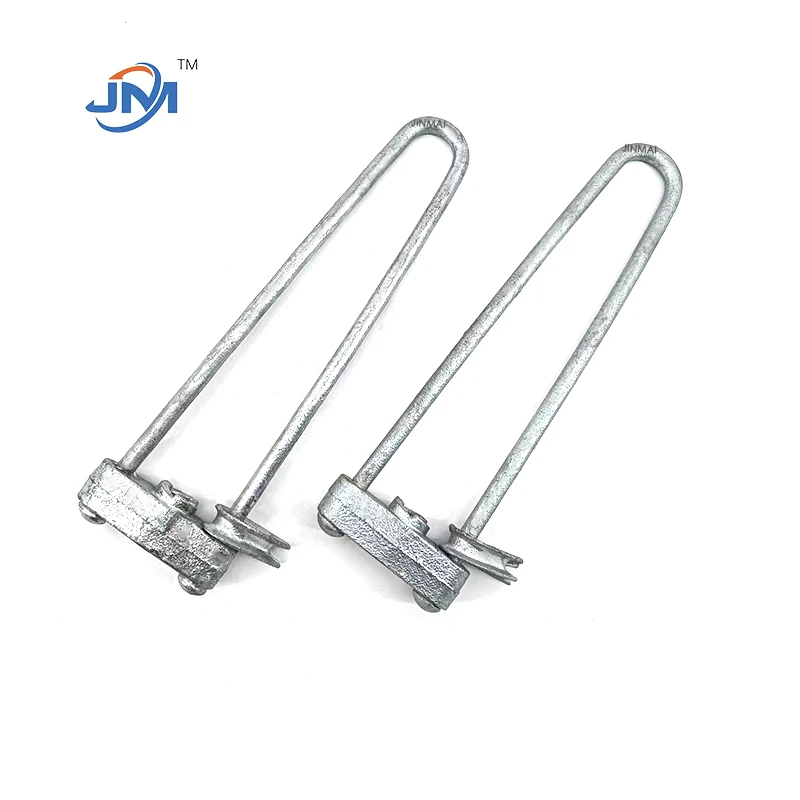
As a supplier, we are well - aware of the importance of corrosion protection for our steel cross arms. Hot - dip galvanization is a widely used method to protect steel from corrosion. When looking for reliable Hot Dip Galvanized Stay Rod Manufacturers, it is essential to consider their manufacturing processes and quality control measures. However, even with galvanization, the harsh environmental conditions in mountainous areas can still eventually damage the protective layer. Regular inspections and maintenance are required to identify and address any signs of corrosion early.
4. Accessibility for Maintenance and Repairs
Once the steel cross arms are installed, maintenance and repair are inevitable over their service life. In mountainous areas, accessing the cross arms for these tasks can be extremely challenging. The remote locations and difficult terrains mean that maintenance crews may face long - distance travel, often on foot, to reach the sites. This not only delays the maintenance process but also puts the workers at a higher risk of accidents.
Specialized equipment is often needed for maintenance and repair work, such as high - reaching cranes or lifts. Transporting and setting up this equipment in mountainous areas is far more difficult than in flat areas. In some cases, the terrain may not even allow for the use of certain types of equipment. This restricts the options for maintenance and repair, potentially leading to longer downtime in case of failures.
5. Connection and Fixing in Complex Structures
In mountainous areas, the power transmission or distribution systems may need to be more complex to adapt to the terrain. The steel cross arms need to be properly connected to other components, such as Preformed Tension Clamp and other support structures. The uneven and irregular nature of the terrain can make it difficult to ensure accurate alignment and connection of these components.
The stresses and forces acting on the connections are also more complex in mountainous areas. The slopes and wind patterns can cause uneven loading on the cross arms and their connections. This requires careful design of the connection details to ensure that they can withstand these complex loads without loosening or failing.
6. Compatibility with Local Regulations and Standards
Mountainous areas may have specific local regulations and standards regarding the installation and use of steel cross arms. These regulations are often in place to protect the environment, ensure public safety, and promote sustainable development. For example, there may be restrictions on the use of certain materials or installation methods to minimize the impact on wildlife habitats or to prevent soil erosion.
As a supplier of Electric Power Equipment Export - oriented Metal Products, we need to be well - versed in these local regulations. Failing to comply with them can lead to project delays, fines, or even the need for costly re - installations. Before supplying steel cross arms to a mountainous project, we work closely with the project teams to understand and ensure compliance with all relevant regulations.
Contact for Purchase and Consultation
Despite these challenges, our steel cross arms are designed and manufactured to meet the highest standards and can be customized to address the specific requirements of mountainous areas. We have a team of experienced engineers and technicians who can provide comprehensive technical support throughout the project, from design and installation to maintenance.
If you are planning a project in mountainous areas and are in need of high - quality steel cross arms, we invite you to contact us for a detailed consultation. We will work with you to find the best solutions to overcome the unique challenges of using steel cross arms in these regions and to ensure the success of your project.
References
- ASCE 7 - 16: Minimum Design Loads and Associated Criteria for Buildings and Other Structures.
- ISO 1461: Hot - dip galvanized coatings on fabricated iron and steel articles — Specifications and test methods.
- Local building and environmental regulations from various mountainous regions.