Hey there! As a supplier of overhead line fittings, I've been in the trenches, dealing with both domestic and international markets. One question that often pops up is, "What are the differences between domestic and international standards for overhead line fittings?" Well, let's dive right in and break it down.
Design and Specification Variations
First off, design and specifications can vary quite a bit. Domestic standards are usually tailored to the local environment, power grid requirements, and construction practices. For example, in some countries with harsh weather conditions like heavy snow or strong winds, domestic standards might require overhead line fittings to have higher strength and better corrosion resistance.
On the other hand, international standards aim for a more universal approach. They are designed to be applicable across different regions and climates. International standards often focus on general performance criteria, such as load - bearing capacity, electrical conductivity, and durability.
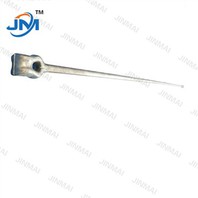
Take the Hot Dip Galvanized Secondary Clevis as an example. Domestically, the design might be adjusted to fit the specific pole structures and wiring systems used in a particular country. The dimensions, hole sizes, and material thickness could be different based on local preferences. Internationally, the focus is more on ensuring that the clevis can meet a set of common performance benchmarks, like being able to withstand a certain amount of tension without failure.
Testing and Certification
Testing and certification processes are another area where differences become apparent. Domestic testing procedures are often regulated by local authorities or industry associations. These tests are designed to ensure that the overhead line fittings meet the specific requirements of the domestic market. The testing equipment, methods, and acceptance criteria can be unique to each country.
International standards, however, have their own set of testing protocols. Organizations like the International Electrotechnical Commission (IEC) set global standards for testing electrical equipment, including overhead line fittings. The IEC tests are more comprehensive and are recognized in many countries around the world.
When it comes to Overhead Pole Line Hardware, domestic testing might focus more on how well the hardware performs in local soil conditions and with local pole materials. International testing, on the other hand, will look at a broader range of factors, such as how the hardware behaves under different temperatures, humidity levels, and electrical loads.
Certification is also a key difference. Domestic certifications are issued by local bodies and are mainly valid within the country. International certifications, like the IEC certification, give the products a wider market reach. Having an international certification can be a huge advantage for suppliers looking to expand their business globally.
Material and Manufacturing
The choice of materials and manufacturing processes can vary between domestic and international standards. Domestically, suppliers might use locally available materials to keep costs down and support the local economy. These materials are selected based on their availability, cost - effectiveness, and suitability for the local environment.
Internationally, there is a greater emphasis on using high - quality, standardized materials. For example, Hot Dip Galvanized Overhead Line Hardware is a popular choice globally because of its excellent corrosion resistance. International standards often specify the exact composition and quality of the materials to be used, as well as the manufacturing processes to ensure consistency and reliability.
In some domestic markets, traditional manufacturing methods might still be in use, which could result in some variations in product quality. International standards, however, promote the use of modern manufacturing techniques, such as precision machining and automated production lines, to ensure that every product meets the same high - quality standards.
Safety and Environmental Considerations
Safety and environmental considerations also play a role in the differences between domestic and international standards. Domestic safety regulations are often influenced by local laws and cultural attitudes towards safety. Some countries might have more stringent safety requirements for overhead line fittings, especially in areas with high population density or sensitive environmental areas.
International standards, on the other hand, take a more global perspective on safety and environmental protection. They aim to minimize the impact of overhead line fittings on the environment, such as reducing the use of hazardous materials and promoting energy - efficient designs.
For example, international standards might require overhead line fittings to be recyclable at the end of their life cycle. Domestic standards might or might not have such requirements, depending on the country's waste management policies and environmental awareness.


Market Requirements and Preferences
Finally, market requirements and preferences can differ significantly between domestic and international markets. In the domestic market, customers might have specific requirements based on their existing power grid infrastructure. They might prefer certain brands or types of overhead line fittings that have a proven track record in the country.
Internationally, there is a more diverse range of customers with different needs. Some international customers might be more concerned about the cost - effectiveness of the products, while others might prioritize high - end, technologically advanced solutions.
As a supplier, it's important to understand these differences so that we can tailor our products to meet the specific needs of each market. Whether it's adjusting the design, obtaining the right certifications, or using the appropriate materials, we need to be flexible and adaptable.
Why Choose Us?
If you're in the market for overhead line fittings, whether it's for a domestic or international project, we've got you covered. We understand the nuances between domestic and international standards and can provide you with products that meet your specific requirements.
Our team of experts is well - versed in the latest industry trends and can offer you professional advice on which products are best suited for your project. We pride ourselves on providing high - quality products at competitive prices, and we're committed to ensuring your satisfaction.
If you're interested in learning more about our overhead line fittings or would like to discuss your procurement needs, don't hesitate to reach out. We're here to help you find the perfect solutions for your overhead line projects.
References
- International Electrotechnical Commission (IEC) standards documents
- Local industry association reports on domestic overhead line fitting standards
- Research papers on the comparison of domestic and international electrical equipment standards